
Reviewed · GRAFFITI TOURS
Rome: Ostiense Graffiti and Modern Street Art Walking Tour
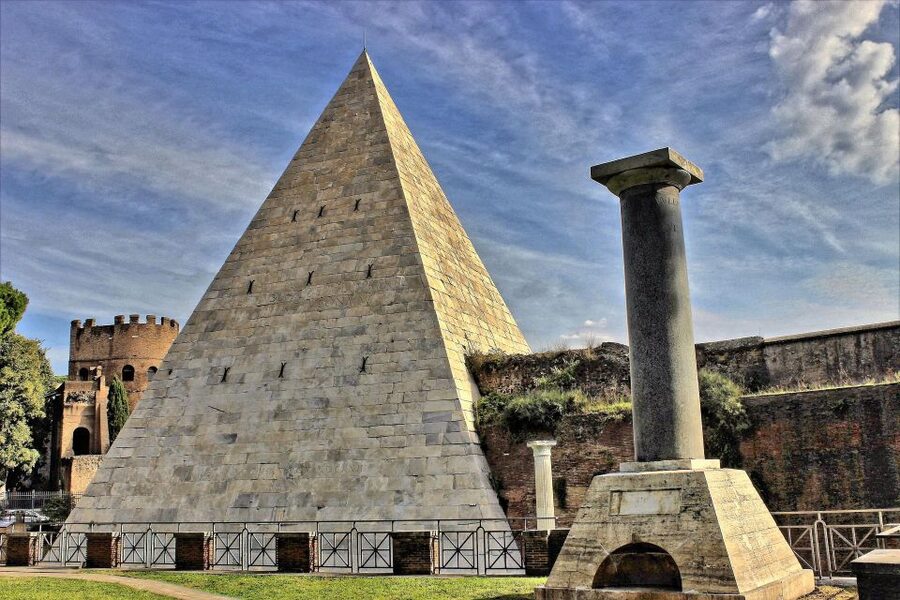
Ostiense is where ancient Rome meets working-class Rome, and then gets painted over in bright layers of modern street art. You begin beside the Pyramid of Cestius and walk along Via Ostiense, an old road to the port at Ostia, past former factories, posters, stickers, and large-scale murals.
I like the tour’s small group of no more than 10 and its unusual route away from Rome’s standard sights. I also like the chance to see the gasometer and converted industrial buildings while hearing how artists have used this district as an open-air gallery. The main concern is value: at $94 for two hours, the tour needs a strong guide and a steady pace to feel worthwhile.
Key points to know
- The Pyramid of Cestius is the meeting-point landmark: This 36-metre marble tomb gives the tour an unmistakable start.
- Ostiense offers a different side of Rome: Expect old industrial buildings, modern businesses, stickers, posters, and street art rather than ancient forums.
- The enormous gasometer is the area’s signature sight: Built in the 1930s, it reflects Ostiense’s working-class past.
- The tour is limited to 10 people: That should make it easier to ask questions and see artwork without a large crowd.
- Guide quality matters here: Juan earned specific praise for his passion, while one participant found the pace too fast and the information too thin.
- Bring comfortable shoes and leave large bags behind: This is a walking tour, and it is not suitable for wheelchair users or people with mobility impairments.
Why Ostiense makes a good street-art walk
Rome is usually sold through marble temples, fountains, churches, and grand piazzas. Ostiense gives you a different city. It is less polished, more industrial, and often more visually surprising.
The neighborhood grew around transport and industry. Via Ostiense once led from Rome toward Ostia, the ancient port on the coast. In the modern period, factories, warehouses, utilities, and workers’ buildings shaped the district. Some of those structures now hold apartments, bars, and restaurants, but their original purpose is still easy to read.
That contrast is the real reason to book this walk. You are not simply moving from one mural to another. You are seeing how art fits into an older urban setting. A painted wall may sit beside a former factory, a sticker-covered street sign, or a building that still looks tied to Rome’s industrial past.
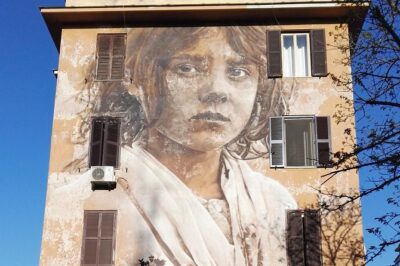
I find that setting more rewarding than a tour that treats graffiti as a collection of giant photographs. Here, the neighborhood gives the art some context. The rough surfaces, faded paint, old brick, and modern color all belong to the same story.
More Graffiti Tours in Italy:
- Graffiti art tour in Rome
★ 5.0 · 714 reviews - Medellin: Comuna 13 Graffiti Tour, Cable Car & Street Food
★ 4.8 · 9,046 reviews - Wynwood Graffiti Golf Cart Small-Group Tour
★ 5.0 · 1,646 reviews
Starting beside the Pyramid of Cestius
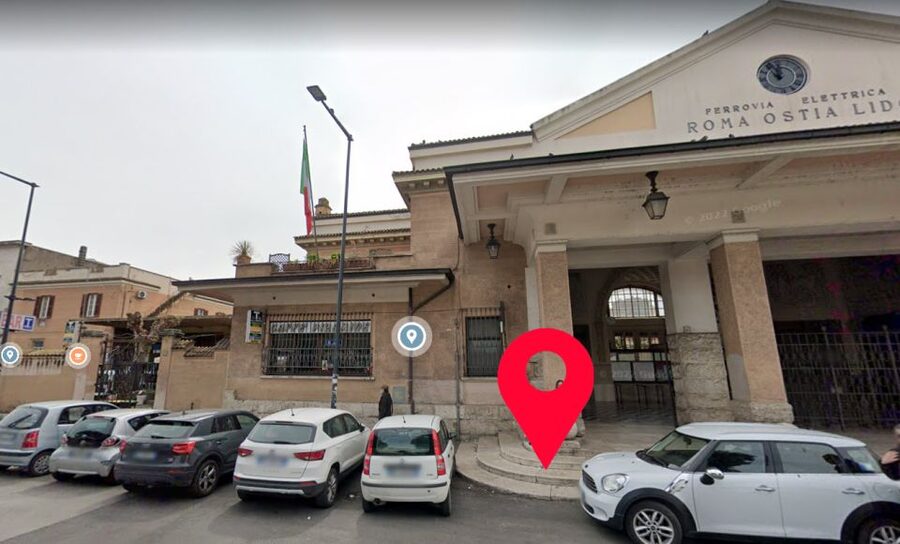
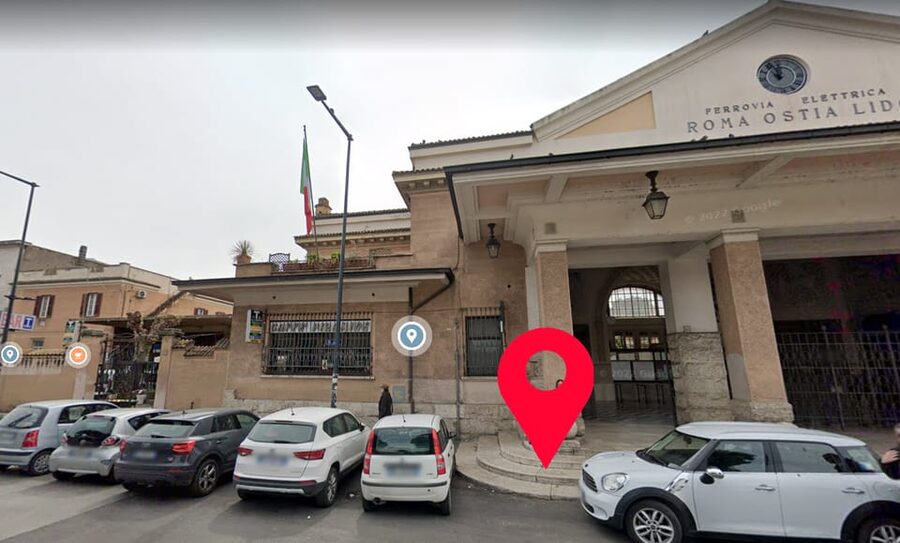
The tour meets outside the Roma Ostia Lido Station, in front of the station connected with Piramide. Take care here, since the meeting point is described using both the station and the Piramide metro stop. The pyramid itself is the landmark that should help you get oriented.
The Pyramid of Cestius is not a modern decoration or a replica. It is a 2,000-year-old funerary monument built by the Roman general Gaius Cestius. Covered in white marble and rising about 36 metres, it has an almost startling appearance beside the roads and transport lines of modern Ostiense.
I like this opening because it immediately sets up the tour’s main idea: old Rome does not disappear when you leave the historic centre. Ancient remains can sit beside rail stations, traffic, utility buildings, and new street art.
The pyramid is also a practical meeting point. You can recognize it quickly, and it gives you something to see before the guide arrives. Still, do not expect a dedicated interior visit or a long archaeological explanation. The activity is focused on the district and its street art, not on entering the tomb.
Walking down Via Ostiense toward the art
From Piramide, the route follows Via Ostiense. In ancient times, this road connected Rome with Ostia and its trading port. Today, it provides a useful visual link between the city’s past and its current street culture.
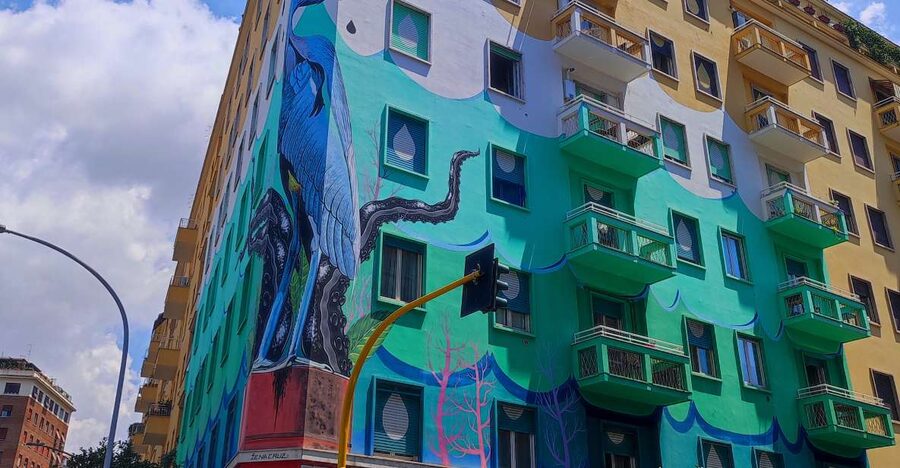
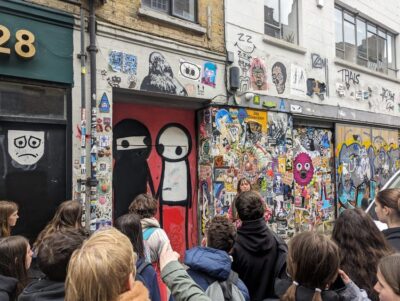
As you walk, look for the small marks first. Stickers, wheatpaste posters, tags, and painted details can appear before the larger works. These smaller pieces help you understand that street art in Ostiense is not limited to formal murals. It also changes through layers, additions, fading, and removal.
The tour promises work by famous artists from around the world, but the supplied information does not name the artists or guarantee a fixed list of murals. That matters. Street art is exposed to weather, construction, and repainting, so the exact selection can change.
You should come ready to look closely. Large murals make easy photographs, but smaller posters and textures may be just as revealing. If your guide gives enough time, this is where you can ask about technique, authorship, and the difference between a commissioned work and an unsanctioned tag.
One caution comes from the timing. A participant reported that the guide walked quickly and left little time to examine the art or take pictures. That is an important point for photographers and anyone who prefers a relaxed pace. The route may be easy to follow, but the experience depends heavily on how much stopping and explanation your guide provides.
Reading the old factories and new businesses
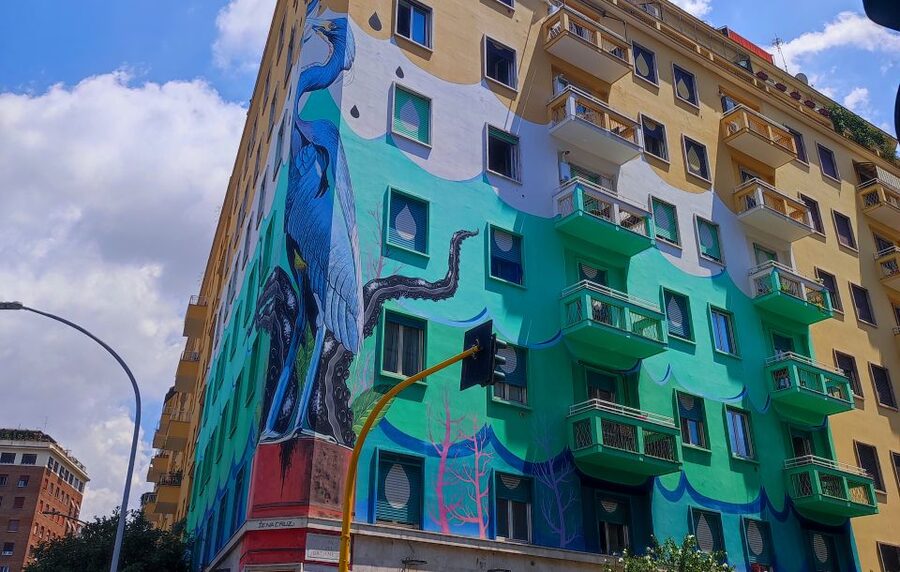
Ostiense’s former industrial buildings are more than background scenery. They show how Rome has reused parts of its working city. Factories and other structures from the turn of the 20th century have become apartments, bars, and restaurants.
That change gives the walk a useful urban-planning angle. You see buildings that once served production and transport now serving leisure and residential life. The art adds another layer, sometimes drawing attention to blank walls and neglected surfaces.
I like this part because it keeps the tour from becoming a simple hunt for painted walls. You are also looking at how a neighborhood changes without losing every trace of its past. The mix can feel rough around the edges, which is part of its appeal.
The trade-off is that Ostiense is not presented as a neat open-air museum. Some walls may be worn, works may be partly covered, and the route may include ordinary streets between major pieces. If you want a constant series of famous murals, this may feel uneven. If you enjoy seeing a real neighborhood in transition, those gaps are part of the point.
More Street Art Walking Tours in Italy:
- Naples Spanish Quarters Walking Tour Street Art, Folklore & Sweet
★ 5.0 · 797 reviews - Naples: Street Art, Wine and Food Tasting Walking Tour
★ 5.0 · 163 reviews - London: Street Art and Graffiti Guided Walking Tour
★ 4.9 · 1,354 reviews - Berlin: City Street Art Guided Walking Tour
★ 4.8 · 1,051 reviews
The gasometer and Ostiense’s industrial identity
The huge cylindrical gasometer is the district’s most dramatic industrial feature. Dating from the 1930s, it can be seen from around Rome and has become a symbol of Ostiense’s working-class roots.
It is not described as an interior stop, so expect to view it as part of the neighborhood rather than enter it. Even from a distance, its scale helps explain the area’s industrial character. Against Rome’s ancient monuments, it offers a completely different kind of landmark.
This is one of the tour’s strongest visual moments. The pyramid represents ancient power and private commemoration. The gasometer represents public utilities, labor, and the infrastructure of a modern city. Street art then acts as the bridge between those eras, using industrial walls as a canvas.
The gasometer also gives you a better sense of place than a list of murals alone. You begin to understand why artists might be drawn to Ostiense’s broad surfaces, hard textures, and changing buildings. The neighborhood has room for large images, but it also has the marks of daily life.
What a two-hour tour can realistically cover
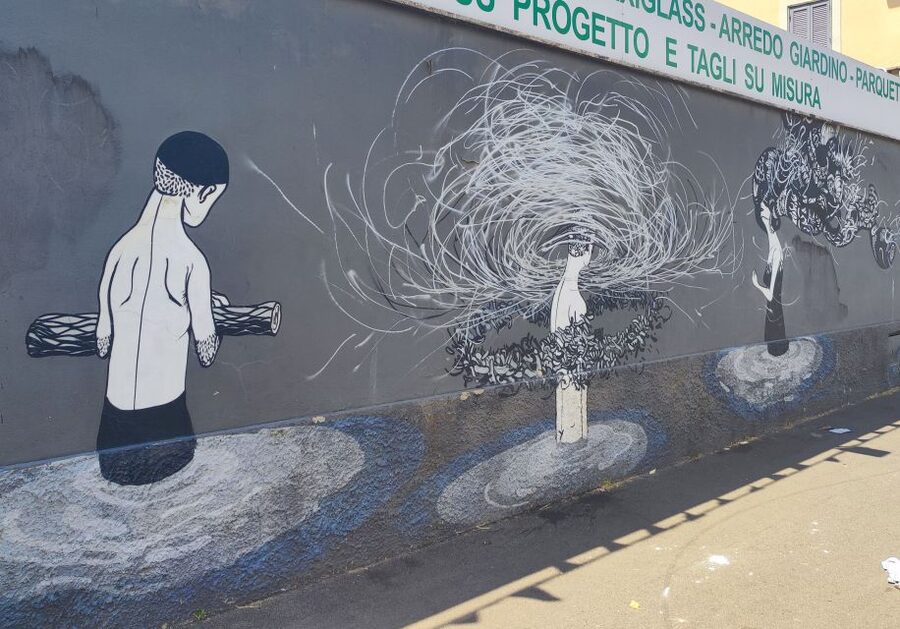
The advertised duration is two hours. That is enough time for an introduction at Piramide, a walk along Via Ostiense, and a selection of art and industrial sights. It is not enough for a detailed survey of every artwork in the district.
The small group limit of 10 is useful. You should be able to hear the guide without much trouble, ask questions, and move along city streets without the delays of a large group. Headsets are provided if the group is bigger than 10, though the stated limit suggests that most departures should be smaller.
One participant reported a tour lasting about 1.5 hours rather than the advertised 2.5 hours. The official duration supplied for this activity is two hours, so I would plan around two hours, not a longer outing. If the guide moves fast, you may cover the route quickly but lose time for photos and discussion.
That makes your expectations important. Think of this as a focused introduction to Ostiense, not a full-day street-art workshop. You will get the most from it if you value place, visual details, and local context more than a long catalogue of artists.
Is $94 a fair price?
At $94 per person, this is a costly two-hour walking tour. The price includes the guide, walking tour, taxes, and headsets when needed. It does not include food, drinks, or transport to the meeting point.
The price can make sense for visitors who want a small English-language group and a planned route through an area they might not otherwise explore. A guide can help you notice the difference between a painted mural, a wheatpaste poster, a sticker, and a simple tag. That interpretation is the main product.
The value drops quickly if the walk ends early or the guide provides little information. One rating described the experience as not worth the price because it lasted less than expected, covered less art than anticipated, and moved too quickly for photographs. That criticism is specific enough to take seriously.
On the other hand, the strongest praise focuses on the guide’s personal enthusiasm. Juan was singled out for his passion for street art, and that kind of energy can change the experience. A good guide can make an industrial street feel like a visual investigation rather than a transfer between points.
My advice is simple: book it if the small group, English guide, and unusual neighborhood are worth paying for. Skip it if you mainly want inexpensive sightseeing or already know how to explore street art on your own.
Who will enjoy this route most
I would recommend the tour to people who have already seen Rome’s central monuments and want a different part of the city. It also suits anyone interested in urban change, industrial architecture, public art, or photography.
The route may work well for repeat visitors who have no desire to spend another afternoon moving between the Colosseum, Trevi Fountain, and Pantheon. Ostiense gives you a less formal view of Rome, with more ordinary streets and fewer classic postcard scenes.
You should be comfortable walking for two hours and wearing practical shoes. The activity is not suitable for wheelchair users or people with mobility impairments, and large bags or luggage are not allowed. Since hotel pickup is not included, you also need to reach the meeting point at Piramide yourself.
This is not the best pick for a family seeking a short, gentle introduction to Rome’s main sights. It is also a poor match if you need a fully accessible route or prefer plenty of time at every stop.
How to get more from the street art
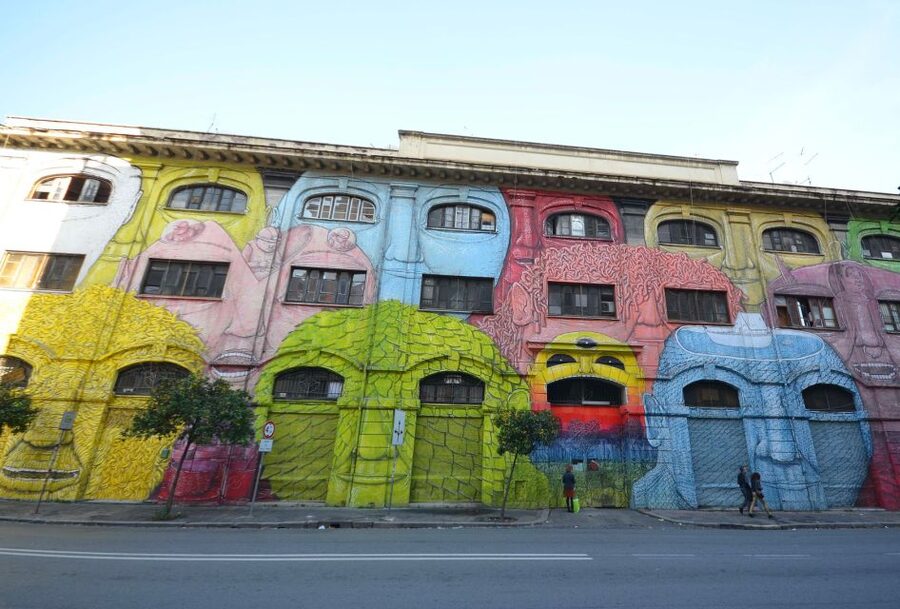
Bring a camera or phone, but do not let photography take over the walk. The most useful question to ask is not simply who painted a wall, but why that wall works in that location.
Look at how the art uses old brick, concrete, shutters, blank factory surfaces, and street furniture. Notice what is layered on top of what. A small sticker may be newer than a large mural, while a faded poster can show how quickly the neighborhood changes.
If the guide pauses long enough, ask about the artists, the difference between legal and illegal work, and how local businesses respond to large paintings. The information provided does not promise a formal workshop, so asking direct questions is the best way to make the walk more engaging.
Also allow yourself a little time before or after the tour to absorb the area. No restaurant or café is included, but the district has converted industrial buildings now used for bars and restaurants. The tour itself is only the introduction. The neighborhood is what gives the art its character.
Booking advice and final verdict
This Ostiense walk offers a smart change from Rome’s standard sightseeing circuit. The Pyramid of Cestius, Via Ostiense, old industrial buildings, gasometer, stickers, posters, and murals create a route with real visual contrast.
The main weakness is not the subject. It is consistency. At $94, you need a guide who explains what you are seeing, keeps the pace manageable, and uses the full two hours. Juan’s praised enthusiasm suggests that the right guide can make the experience memorable, but the reported fast pace and short duration show why expectations should stay practical.
I would book it if you want a small, English-language introduction to modern Rome and are happy to pay for interpretation. I would not book it for a cheap walk, a guaranteed list of famous artists, or a slow photography tour. Wear comfortable shoes, leave the large bag at your accommodation, and confirm the meeting point at the Roma Ostia Lido Station before setting out.
FAQ
Where does the Ostiense street-art tour meet?
The meeting point is in front of the Roma Ostia Lido Station, near the Piramide metro stop.
What landmark gives Piramide its name?
The name comes from the Pyramid of Cestius, a 2,000-year-old Egyptian-style funerary monument beside the station area.
How long is the walking tour?
The stated duration is two hours.
What language is the tour conducted in?
The tour is conducted in English with a live guide.
How many people can join the tour?
The group is limited to 10 participants.
Are headsets provided?
Headsets are provided if the group is bigger than 10 people.
What sights are included?
The route includes the Pyramid of Cestius, Via Ostiense, former industrial buildings, modern street art, graffiti, stickers, wheatpaste posters, and views of the large gasometer.
Is hotel pickup included?
No. Hotel pickup and drop-off are not included.
What should I bring?
Bring comfortable shoes. Large bags and luggage are not allowed.
Is the tour suitable for wheelchair users?
No. The activity is not suitable for wheelchair users or people with mobility impairments.
New street art tours in Italy
- Torpignattara Photo Tour: melting pot, street art and politics★ 5.0 · 5 reviews
- Art & Craft: Beer Tour with Street Art in Rome★ 4.5 · 6 reviews
- Street Art of Spanish Quarters and Maradona Tour★ 3.5 · 3 reviews
- The Spanish Quarters, Street Art and Local Market Tour in Naples★ 5.0 · 23 reviews
- Naples Murals Catacombs and Folklore Sanità District Tour★ 4.5 · 5 reviews
- Private Street Art Tour: Exploring Milan’s Hype Neighborhoods★ 5.0 · 2 reviews
- Street Art&Urban Vibes in Milan’s Most Exciting Rising Areas★ 4.4 · 5 reviews
- Spanish Streets – Maradona Street Art & Murals★ 5.0 · 3 reviews
Graffiti Tours, side by side.

Comuna 13 Graffiti Tour, Cable Car & Street Food
Read our review →


Brooklyn Graffiti & Street Art Walking Tour in Bushwick
Read our review →
Comuna 13 Tour with Snacks And Your Own Graffiti
Read our review →Lists this wall walk turns up in