
Reviewed · ITALY MURAL TOURS
Street Art&Urban Vibes in Milan’s Most Exciting Rising Areas
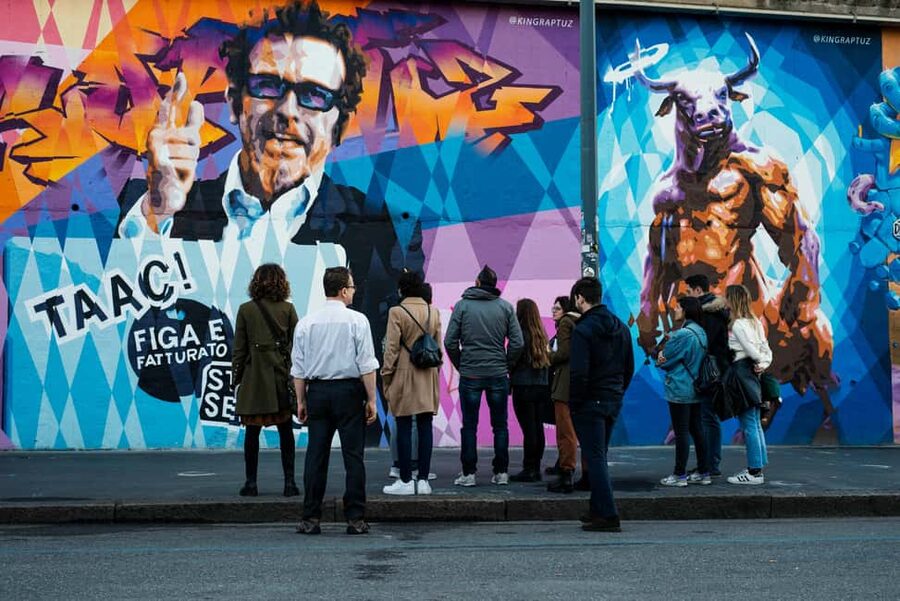
Milan’s most interesting art may not be inside a museum. This two-hour walk leads you through Via Padova and nearby streets, where murals, working-class buildings, small creative businesses, and social messages share the same walls. I like the focus on places many visitors skip, and I like that the route treats street art as part of Milanese life rather than just a backdrop for photos.
The private format is another strong point. You can ask questions as you go, and the guide can explain both the artwork and the neighborhood around it. Simon, named in one personal account of the experience, was praised for showing hidden corners and offering plenty of surprises. The main drawback is value: at $90.63 per person for two hours, this is costly unless you care deeply about street art or want a private introduction to an alternative side of Milan.
Key points to know before booking
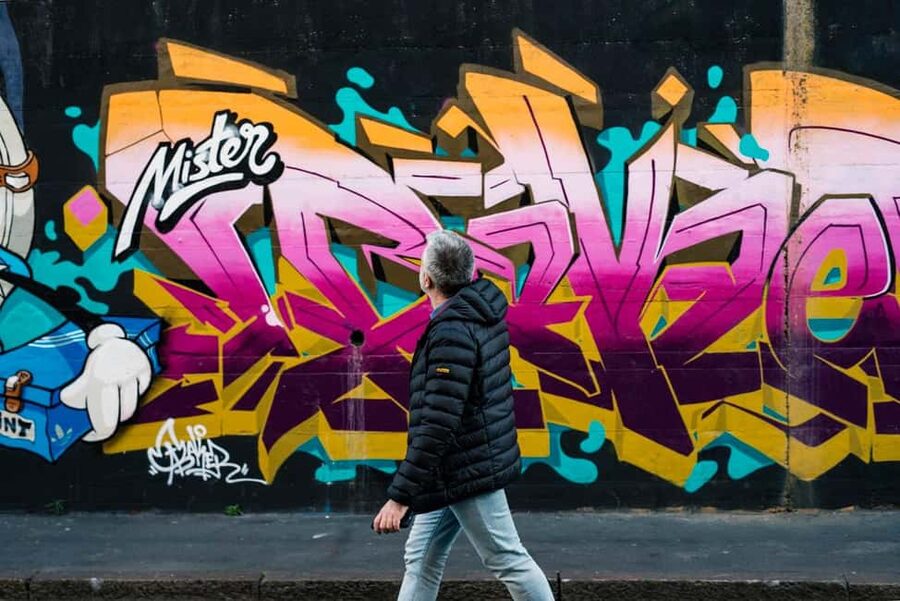
- Via Padova is the heart of the route: Expect murals and local stories in one of Milan’s most culturally mixed areas.
- The tour is private: You get a guide for your own group, with English and Italian available.
- It is built for photos: Each listed stop includes time to look, hear the story, and take pictures.
- The route includes local businesses: Mosso, Bici&Radici, and Hug add a practical, lived-in feel to the art walk.
- Public transport is not included: You must make your own way to Pasteur and the Scaringi pastry shop.
- You return to the starting point: The activity ends back at the meeting point after about two hours.
Why Milan’s street art deserves a closer look
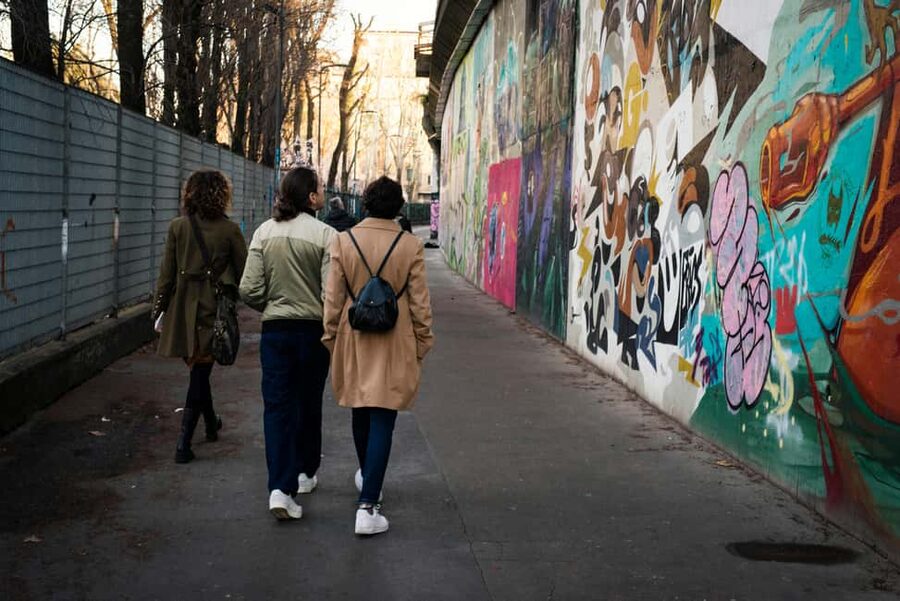
Milan is often sold through the Duomo, grand shopping arcades, design showrooms, and polished central streets. Those sights matter, but they do not tell the whole story. In the northern districts around Pasteur, art appears on ordinary buildings and along streets shaped by daily work, migration, protest, and new business.
That setting gives the tour its purpose. You are not simply moving from one famous mural to another. You are using street art to read a part of Milan that is changing without losing its rougher edges.
The walk also introduces the history of Milanese and Italian street art. The available details do not name particular artists or dates, so you should not expect a formal lecture on every work. Instead, the guide provides context as you move through the neighborhood, explaining why certain walls matter and how public art can express local concerns.
I find that approach useful because street art can be easy to misread. A large painted wall may look decorative at first, but its location, subject, and tone can change how you see it. A local guide helps connect the image to the street around it.
More street art tours worth booking in Italy:
- Naples Spanish Quarters Walking Tour Street Art, Folklore & Sweet
★ 5.0 · 797 reviews - Naples: Spanish Quarters Folk Street Art w/ Sweets Tasting
★ 4.9 · 788 reviews - Graffiti art tour in Rome
★ 5.0 · 714 reviews
Starting at Pasteur and meeting your guide
The walk begins at Pasteur, in front of the Scaringi pastry shop. This is a practical meeting point, but you should allow enough time to reach it by public transport because your fare is not included in the activity price.
Pasteur also gives you a clear sense of the tour’s character. You are not starting at a grand monument or a major museum entrance. You are beginning in a neighborhood setting, then moving into an area where the art is part of the public streets.
The activity lasts about two hours. That is long enough for a focused introduction, but not enough for a slow look at every wall or a full tour of Milan’s street-art scene. If you want a broad survey of the city, this route will feel selective. If you want one concentrated outing in a less familiar district, the timing works well.
Because the group is private, you have more control than on a standard shared walk. You can ask about a particular image, pause for photos, or request more detail about the neighborhood. The guide speaks English or Italian, and wheelchair accessibility is listed for the activity.
Via Padova: the route’s strongest sense of place
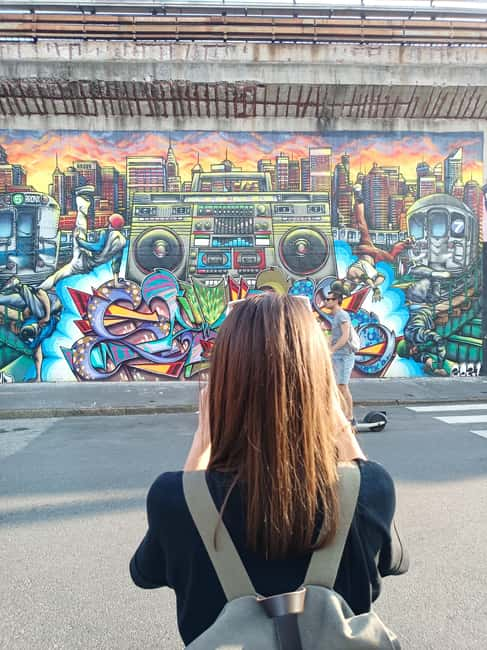
Via Padova is the first main stop, and it sets the tone for the experience. This is where the tour presents Milan as a meeting point of cultures, working-class streets, colorful walls, and newer creative activity.
Expect a guided visit and a photo stop rather than a quick pass through. The guide’s job is to point out works you might otherwise miss and explain how street art fits into the street’s social character. The art here is not presented as isolated decoration. It is tied to the people who live and work nearby.
The area is also useful for travelers who want a different view of Milan. You may find a mix of older buildings, local storefronts, and alternative businesses rather than the carefully polished feel of the city center. That contrast is one of the strongest reasons to choose this walk.
There is a tradeoff. A street-art route depends on public space, so the setting may feel less tidy or predictable than a museum. The appeal is precisely that the neighborhood is lived in. You should come ready for an urban walk, not a staged gallery visit.
Via Giovanni Pontano and the art of looking up
The next stop is Via Giovanni Pontano. It continues the theme of turning ordinary city surfaces into large-scale public art.
A useful habit on this part of the walk is to look beyond eye level. Murals and painted surfaces can occupy broad building walls, side facades, and spaces that are easy to miss when you are focused on traffic or storefronts. The guide helps direct your attention and gives the work a place in the wider story of Milanese street art.
The itinerary lists both a visit and a photo stop here, so you should have time to frame pictures rather than simply hear the name of an artist and move on. Still, the tour does not promise a catalogue of every work or a professional photography session. Bring your own phone or camera and use the guide’s explanation to decide what deserves a closer look.
For me, this is where the private format becomes especially useful. If one wall catches your attention, you can stay with it for a moment. You are not trying to keep pace with a large public group.
Same city, a different set of walls:
- Naples: Street Art, Wine and Food Tasting Walking Tour
★ 5.0 · 163 reviews - Naples Essentials: Monuments, Local Life & Street Art
★ 4.9 · 79 reviews - 4×4 tour of Orgosolo: Murals and typical lunch at the shepherd’s
★ 5.0 · 76 reviews - Naples: The Spanish Quarters, Street Art and Local Market
★ 4.7 · 59 reviews
Viale Monza: a busier urban setting
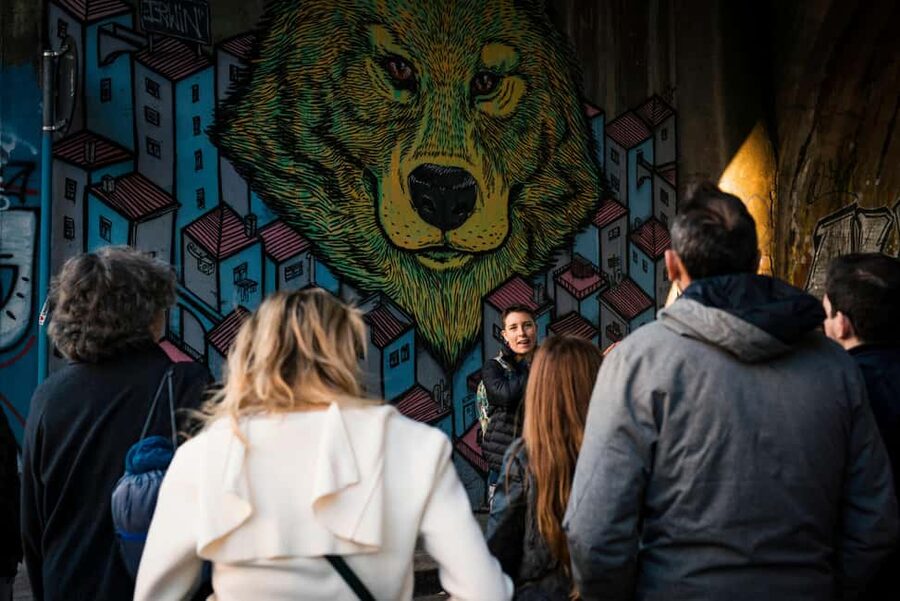
Viale Monza brings the street art experience onto a larger city route. The change matters. Art here is seen in relation to movement, shops, buildings, and everyday urban traffic, rather than in a quiet exhibition space.
The guide uses the stop to continue the story of Milan’s public art and its role in the city. You may find that the works feel more connected to ordinary city life than to tourism. That is part of the charm, but it also means conditions can be less calm for photographs.
I would not choose this tour expecting a leisurely café crawl or a quiet architectural walk. The focus stays on murals, urban culture, and the local streets. The route is likely most rewarding for you if you enjoy connecting visual art with the character of a neighborhood.
Mosso, Bici&Radici, and Hug: art with a local-business angle
The later stops add an important layer to the tour. Mosso, Bici&Radici, and Hug are not included only as names on a route. They represent the smaller and alternative businesses that give the area its newer creative energy.
Mosso is listed as a photo stop and guided visit. Its inclusion shows that the experience is not limited to walls and facades. You also get a look at a local place connected to the district’s changing identity.
Bici&Radici brings another point of interest. The name suggests a bicycle-related business, but the supplied information does not give enough detail to describe its exact role or offerings. What you can expect is a stop connected to the area’s independent business culture, with the guide explaining why it belongs on this route.
Hug completes this part of the walk. Taken together, these stops help you see how creative neighborhoods are built through more than public art. Small businesses, community spaces, and new projects can sit beside older streets and existing residents.
This is also where expectations matter. The tour does not promise shopping discounts, food tastings, or time inside each business. You are visiting them as part of a guided cultural route. If you want a chance to browse, ask your guide how much time is available.
What you can learn about Milanese and Italian street art
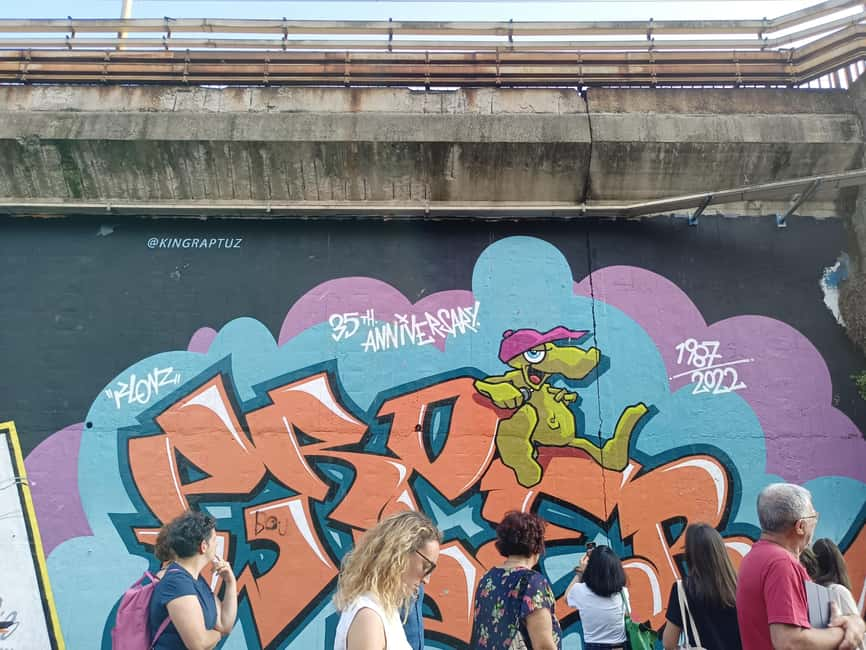
The tour promises an introduction to both Milanese and Italian street-art history. That does not mean you will receive a university-style course. In two hours, the useful goal is to gain a working sense of how public art developed, how it functions in a city, and why certain parts of Milan became fertile ground for it.
Street art can carry several meanings at once. A mural may brighten a tired wall, promote a local idea, mark a neighborhood, or act as protest. The description of this route specifically points to working-class streets where street art can serve as a form of protest.
That detail gives the experience more weight than an Instagram walk alone. You still get attractive pictures, but you also learn to ask what a work is saying and who it is speaking to. The guide can help you notice the difference between a commissioned decoration and a piece shaped by social tension or local identity.
The quality of this part depends heavily on the individual guide. One account specifically praised Simon for making an effort, showing hidden corners, and filling the walk with information and surprises. Since the supplied activity details do not guarantee that Simon will lead every departure, treat his name as a helpful reference rather than a promise.
The private format and the $90.63 price
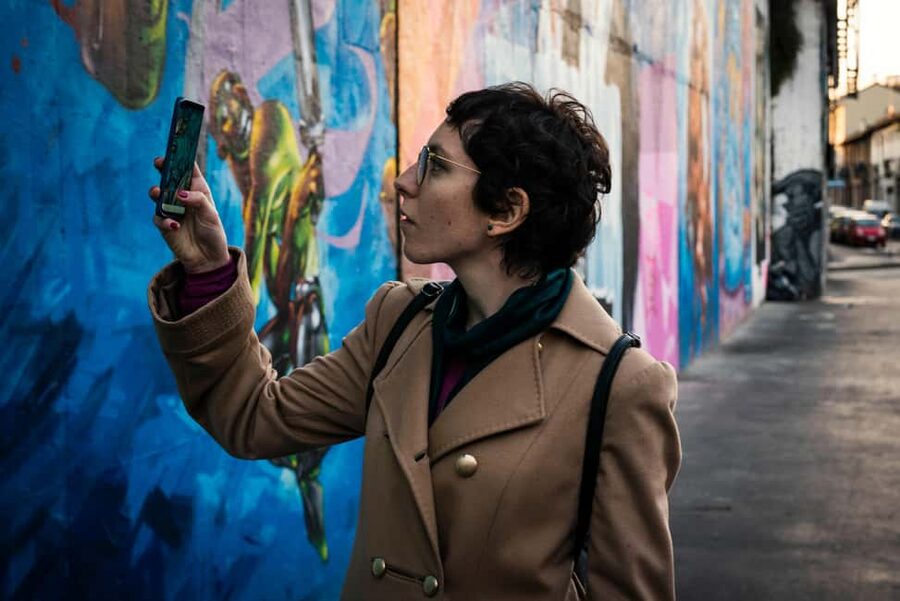
At $90.63 per person, this is not a budget walk. For two hours, the price is high compared with a basic public city stroll. You are paying for a private group, a specialist focus, a local guide, and a route outside Milan’s usual sightseeing circuit.
That can be fair value for the right person. I would consider booking if you want street art to be the main subject of your Milan visit, prefer a private group, or enjoy asking detailed questions as you walk. The price may also make sense if your group can share the cost and wants a more personal outing.
The value is weaker if you mainly want a few mural photos. You can see public art without paying for a specialist tour, although you would lose the neighborhood context and the guide’s local knowledge. A general Milan orientation tour would also cover more famous sights in the same amount of time.
Remember to add the cost and time of reaching Pasteur. Public transport to the meeting point is not included. The return to Pasteur is convenient, though, since you do not need to arrange a separate end point.
Free cancellation up to 24 hours before the activity and the reserve-now, pay-later option reduce some booking risk. Those policies are useful if your Milan plans are still shifting, but they do not change the basic price question.
Who will enjoy this walk most
I would recommend this experience to you if you:
- Want to see Milan beyond the Duomo and central shopping streets
- Care about street art, murals, and public culture
- Prefer a private group to a large scheduled tour
- Enjoy small creative businesses and less polished neighborhoods
- Want a guide who can connect images with local history and social issues
- Have only two hours available for an alternative side of the city
It may not be the best choice if your Milan visit is short and this is your only sightseeing activity. In that case, a tour covering major landmarks may give you more essential context.
It is also not ideal if you expect a formal art museum experience. The setting is public, urban, and active. The appeal comes from seeing art where people live and work, not from controlled lighting or quiet galleries.
Families and mixed-interest groups should think about the private format. If one person loves street art and another is less interested, a private guide may make it easier to adjust the pace and ask broader questions. The two-hour length also keeps the commitment manageable.
Practical tips for getting more from the route
Wear comfortable shoes. The activity is a walking tour, and the itinerary links several stops between Pasteur and the final return. The exact walking time between points is not provided, so you should not assume every stop is next door.
Bring a charged phone. Photography is built into the route, and you will likely want to record wall details, business signs, and the streets around them. The guide’s explanations may also give you better subjects than the largest mural in view.
Arrive at the Scaringi pastry shop with your meeting point confirmed. Since the activity starts and ends there, it is easy to plan the tour around a morning or afternoon in northern Milan.
If you use a wheelchair, the activity is listed as wheelchair accessible. Since no details are provided about individual pavement conditions or access inside each business, it is sensible to confirm any specific needs before booking.
Finally, ask questions. A private street-art walk works best when you treat it as a conversation. Ask why a work is important, how public art differs from formal commissions, and what has changed in the neighborhood. That is where the price earns its keep.
Should you book Street Art and Urban Vibes in Milan?
Book it if you want a focused, private look at Milan’s less familiar northern districts and care about the meaning behind the murals. The strongest parts are the Via Padova setting, the connection between street art and protest, and the chance to see small alternative businesses such as Mosso, Bici&Radici, and Hug.
Skip it if you want major monuments, a low-cost walk, or a broad introduction to Milan. At $90.63 for two hours, the tour asks you to value personal guiding and specialist interest. For street-art fans, curious repeat visitors, and anyone who wants a different Milan, that focus can be worth the price.
FAQ
Where does the street-art tour begin?
The tour begins in front of the Scaringi pastry shop at Pasteur.
Where does the activity end?
The tour ends back at the meeting point at Pasteur.
How long does the experience last?
The activity lasts two hours.
Which languages are available?
The live guide speaks English or Italian.
Is public transportation to the meeting point included?
No. You must arrange and pay for public transportation to Pasteur yourself.
Is the tour wheelchair accessible?
Yes, the activity is listed as wheelchair accessible.
New street art tours in Italy
- Torpignattara Photo Tour: melting pot, street art and politics★ 5.0 · 5 reviews
- Art & Craft: Beer Tour with Street Art in Rome★ 4.5 · 6 reviews
- Street Art of Spanish Quarters and Maradona Tour★ 3.5 · 3 reviews
- The Spanish Quarters, Street Art and Local Market Tour in Naples★ 5.0 · 23 reviews
- Naples Murals Catacombs and Folklore Sanità District Tour★ 4.5 · 5 reviews
- Private Street Art Tour: Exploring Milan’s Hype Neighborhoods★ 5.0 · 2 reviews
- Spanish Streets – Maradona Street Art & Murals★ 5.0 · 3 reviews
- San Sperate Murales Tour – Visit a Typical Sardinian Village★ 4.6 · 6 reviews
Italy Mural Tours, side by side.
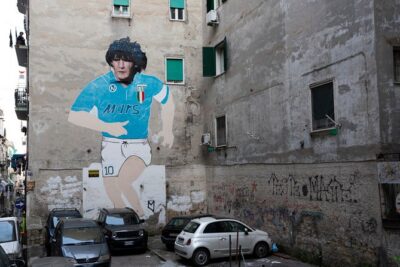
Naples Spanish Quarters Walking Tour Street Art, Folklore & Sweet
Read our review →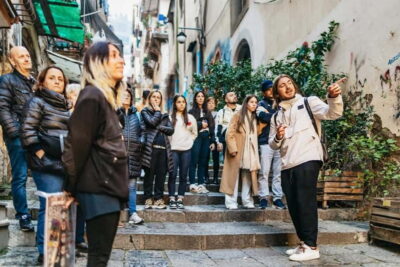
Spanish Quarters Folk Street Art w/ Sweets Tasting
Read our review →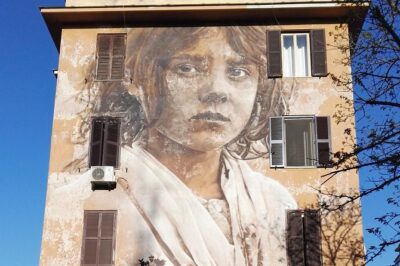
Naples Essentials: Monuments, Local Life & Street Art
Read our review →
4×4 tour of Orgosolo: Murals and typical lunch at the shepherd’s
Read our review →
Rione Sanità tour among baroque, revival, street art & food
Read our review →
The Spanish Quarters, Street Art and Local Market
Read our review →Lists this wall walk turns up in