
Reviewed · JOHANNESBURG MURAL TOURS
Johannesburg: Braamfontein Street Art & Culture Tour
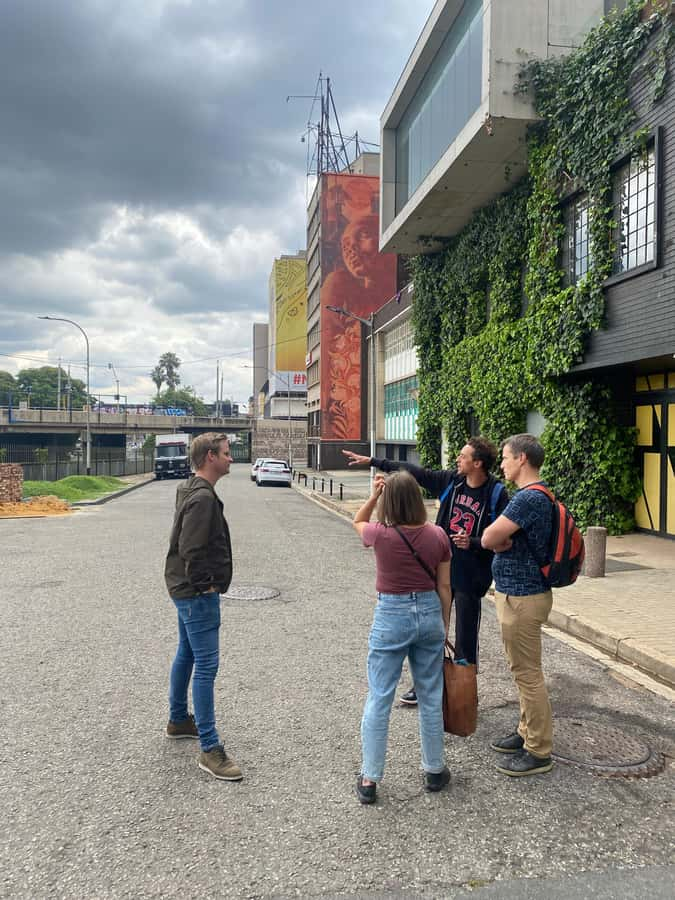
Braamfontein’s best stories are painted on its walls, printed in African books, stitched into local clothing, and told by the young people building careers here. This two-hour walk brings those threads together, from Shepard Fairey’s The Purple Shall Govern! to Faith47’s Goldust and the graffiti outside Grayscale Store and Gallery.
I like the way this tour connects art with real businesses, especially the visits to Boys of Soweto and The Commune bookstore. I also like the clear historical frame, which starts Braamfontein as a family farm in 1853 and follows its change into a student and creative district.
The main consideration is that this is a walking tour with several stops, so comfortable shoes matter. It is offered in English only, and some Saturday add-ons are either extra-cost or currently unavailable.
Key points to know before you book
- Shepard Fairey and Faith47 murals: Learn the stories behind two major works, including The Purple Shall Govern! and Goldust.
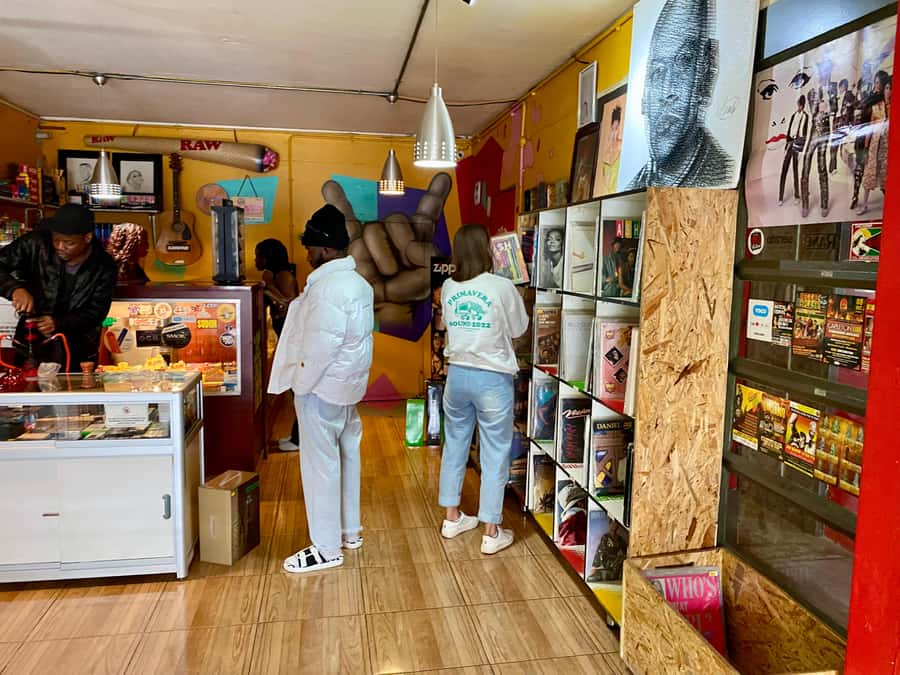
- Local streetwear in person: Visit Boys of Soweto and 99 Juta Design Store to see clothing and design created by African entrepreneurs.
- Graffiti culture beyond the paint: Grayscale Store and Gallery gives you a look at the supplies, artists, and ideas behind Johannesburg’s graffiti scene.
- Braamfontein’s changing identity: The walk links colonial beginnings, migrant-run businesses, student life, and new creative enterprise.
- Small cultural stops: Browse Pan-African books at The Commune and see Hannelie Coetzee’s Ndebele-inspired Nzunza pottery installation.
- Two hours, with a little flexibility: The core walk is compact, but optional Saturday stops can add cost and time.
Starting at Skinner Cafe on Juta Street
Meet inside Skinner Cafe, the green cafe at the corner of Juta and De Beer streets. It is directly across from Kitchener’s Carvery Bar on Juta Street, and you can wait inside if you arrive early. Seating is available inside, outside, and in the rear courtyard.
The location makes sense for the tour. You begin in the middle of Braamfontein rather than spending time on a long transfer from another part of Johannesburg. That leaves the two-hour schedule for streets, murals, stores, and conversation.
The opening safety briefing takes about 15 minutes. This is useful in a district where the guide needs to explain how the walk works and help you get your bearings before you set off. One guide associated with this experience is Ayanda, who brings a personal sense of care and enthusiasm to the route. Guide availability can vary, but the tour is led in English.
The first history lesson gives Braamfontein a time line. The area began as a family farm in 1853, then changed as Johannesburg grew. Today, it has a strong student presence and a growing group of designers, artists, shop owners, and other young entrepreneurs. That background helps you read the streets as more than a series of painted walls.
More street art tours worth booking in the world:
- Medellin: Comuna 13 Graffiti Tour, Cable Car & Street Food
★ 4.8 · 9,046 reviews - CDMX: Xochimilco, Coyoacan, Frida Kahlo Museum & Murals Tour
★ 4.4 · 3,025 reviews - Amsterdam: Streetart Museum STRAAT Entrance Ticket
★ 4.8 · 2,137 reviews
Reading the murals, not just photographing them
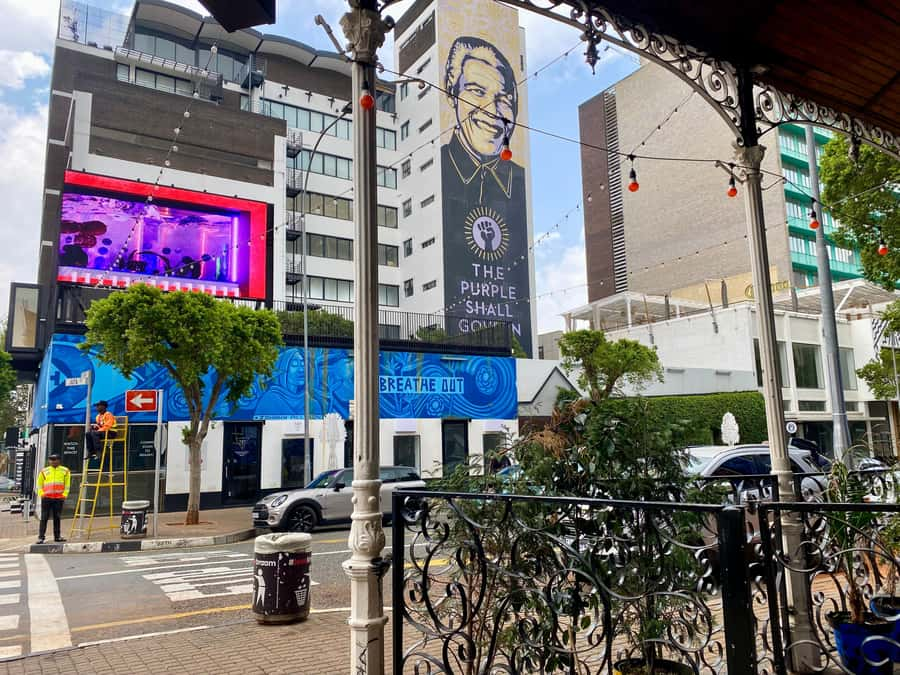
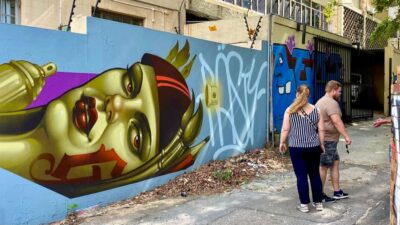
The tour’s art focus begins with major murals and the stories attached to them. Shepard Fairey’s The Purple Shall Govern! from 2014 is a key stop. Fairey is an American artist known internationally, but the work is viewed here within Johannesburg’s own political and cultural setting.
The title points to the Purple Rain protests in South Africa, and the mural invites you to think about public art as a statement rather than simple decoration. The guide explains the inspiration and local meaning, giving you a reason to look at the image more closely.
Faith47’s Goldust, created in 2021, offers a different mood. This South African artist’s work is described as touching, and it adds a more reflective note to the route. Seeing both pieces together shows the range of street art in Braamfontein, from public political expression to work with a quieter emotional pull.
I appreciate that the walk does not treat murals as a checklist of famous names. You hear about the ideas behind them and about the local and international artists who have added to the district. That makes the art easier to remember after you leave.
The tour lasts only two hours, so you should not expect an exhaustive survey of every mural in Braamfontein. Instead, you get selected works with context, followed by a look at the people and businesses that keep the local creative scene moving.
Juta Street and the people shaping street culture
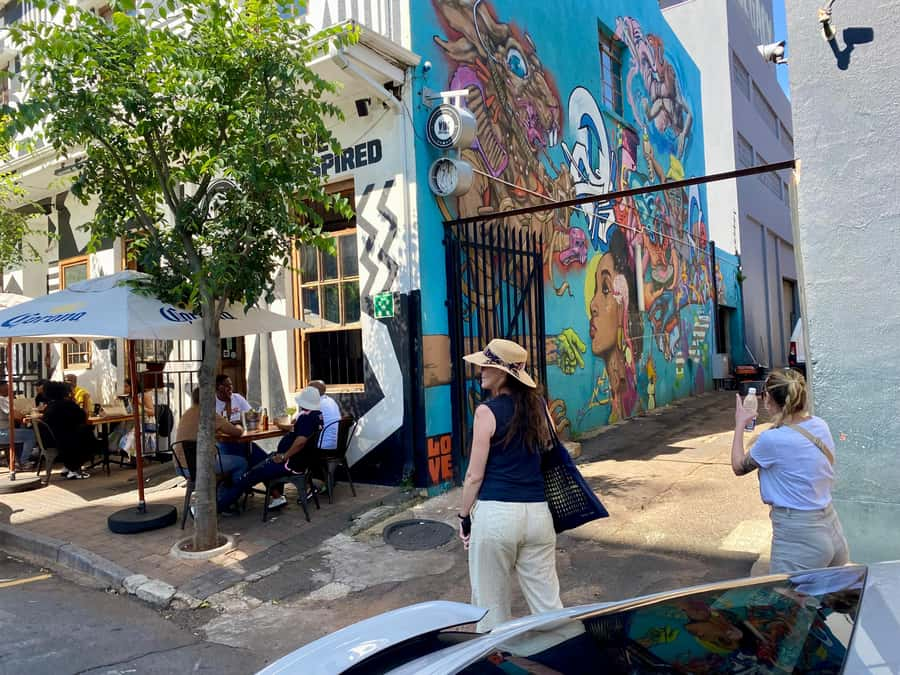
Walking along Juta Street brings a change in pace. You pass businesses run by migrants, including hair and beauty salons, small grocery stores, and takeaway shops. These ordinary storefronts matter because they show Braamfontein as a working district, not an outdoor gallery built solely for visitors.
The route then turns toward streetwear. At 99 Juta Design Store, you can see a space that highlights local designers. This is a useful stop if you want to understand how design moves from an idea into something you can wear or buy.
The larger streetwear stop is Boys of Soweto, often referred to as BoS. The showroom carries locally made clothing and tells the story of the brand’s growth from 2011 to today. You can browse the designs, but the point is not simply shopping. You learn how a South African label built its identity and why it has become popular with local streetwear fans.
This part gives the tour practical value. You are not only looking at art on walls. You are seeing how creative work becomes a business, how a brand speaks to local style, and how entrepreneurs create their own path in a competitive city.
The drawback is that shopping stops are not the same as a fashion museum or formal design exhibition. Store displays and opening conditions can change, and you should approach them as working retail spaces. If you are interested in local clothing, though, the opportunity to see the products where they are sold is more useful than a quick explanation from outside.
The Commune and Ndebele design on the street
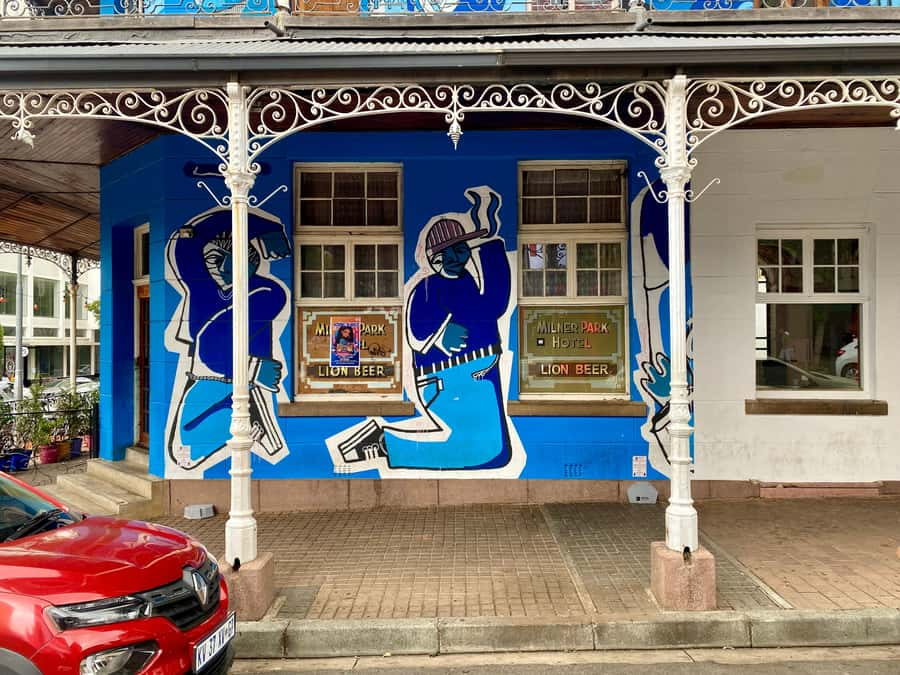
The Commune bookstore is one of the quieter stops. Its collection focuses on Pan-Africanism and African stories, giving you a chance to browse subjects that are central to the wider cultural conversation in Johannesburg and South Africa.
You do not need to be a serious reader to enjoy the stop. The bookstore helps explain the ideas that often sit behind street art, fashion, and youth-led cultural work. It also breaks up the walking with a slower indoor visit.
Around the corner, Hannelie Coetzee’s Nzunza pottery installation from 2018 brings another layer of history and design to the route. The work celebrates the Ndebele people of South Africa, whose visual traditions are widely associated with bold pattern, color, and architectural decoration.
Here, the experience shifts from contemporary street culture to a public artwork rooted in South African identity. The pairing of The Commune and Nzunza works well because one stop offers ideas in book form, while the other presents cultural memory through a visible installation.
You should not expect a long museum-style explanation at every stop. The value comes from the guide connecting these places into a single story about identity, creativity, and the way different influences meet in Braamfontein.
Same city, a different set of walls:
- Belfast: Murals Taxi Tour
★ 4.9 · 2,047 reviews - Wynwood Graffiti Golf Cart Small-Group Tour
★ 5.0 · 1,646 reviews - London: Street Art and Graffiti Guided Walking Tour
★ 4.9 · 1,354 reviews - Lisbon: Street Art Tour
★ 4.9 · 1,324 reviews
Grayscale Store and the City of Gold walls
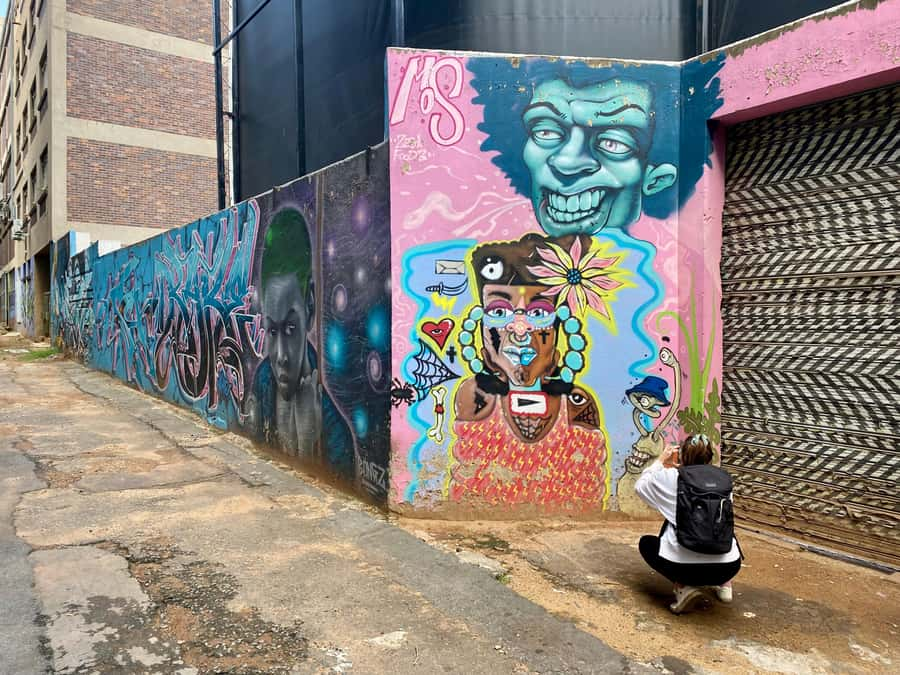
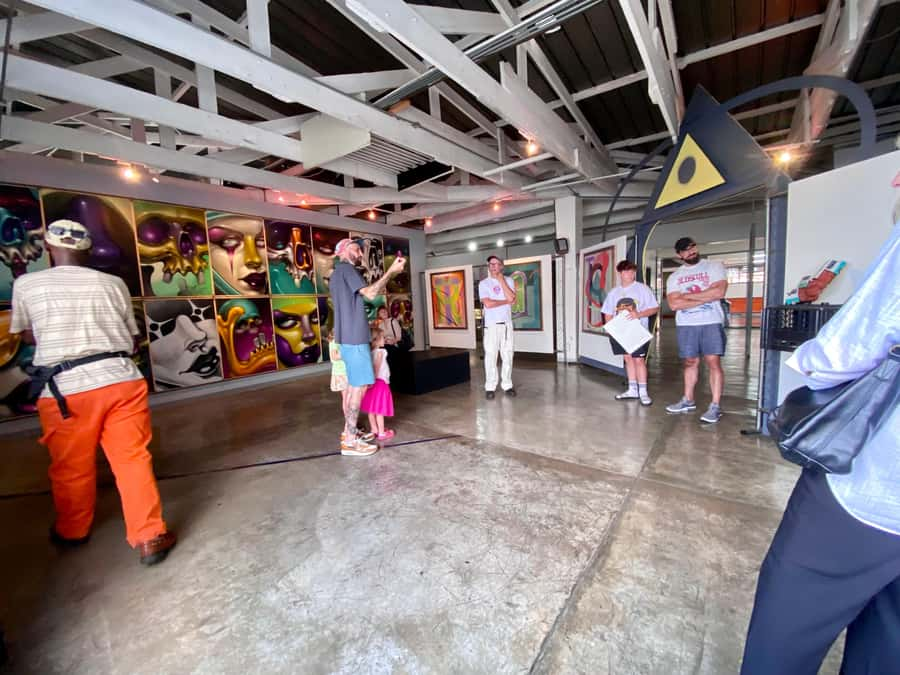
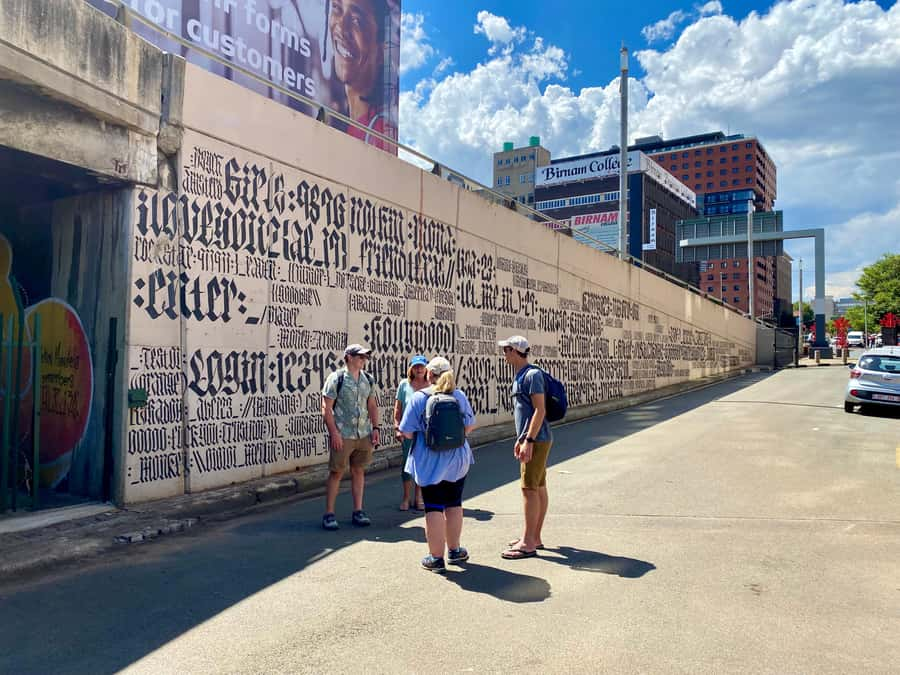
Grayscale Store and Gallery is a local graffiti store, and it gives the tour a practical look at the art form. You can see the supplies used by graffiti artists and view large works outside the store.
Several of the exterior pieces were completed as part of the City of Gold Graffiti Festival. The works include contributions from local artists and artists from countries such as the United States, Spain, Réunion, Switzerland, and Serbia. That international mix shows how Johannesburg’s graffiti scene connects to a wider network while still occupying local walls.
This is also the place where you may have a chance to meet local graffiti artists. Artists whose tags appear around the city come to the store for supplies, but this possibility depends on timing. The store is open Monday through Friday only, so the weekday version of the tour gives you the best chance of finding it operating.
I like this stop because it deals with graffiti as a living practice. You see the finished work, but you also see the place where artists obtain materials and exchange ideas. The store makes the process feel less distant.
The practical limitation is simple: you cannot count on meeting an artist. The tour can still visit the store and the outdoor pieces, but the personal encounter depends on who happens to be there that day.
What the route says about modern Braamfontein
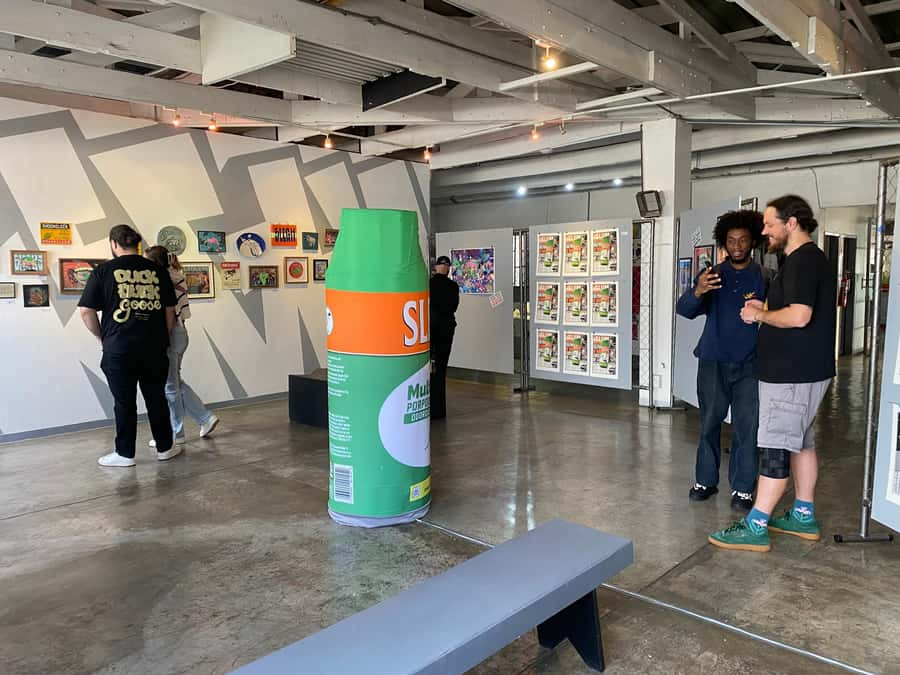
Braamfontein is presented here as a district shaped by change. Its early British colonial roots are part of the story, but the tour does not stop in the past. It follows the area into student life, small businesses, street fashion, public art, and youth-led creative work.
That balance is important. A history walk focused only on colonial development could leave you with a narrow picture. A street-art walk focused only on colorful walls could miss the forces that shaped the neighborhood. This route tries to connect both.
The migrant-run businesses along Juta Street are especially important in that picture. Hair salons, grocery stores, and takeaway shops may not be listed as formal attractions, yet they show how a neighborhood functions day to day. The walk helps you notice those details instead of treating them as background scenery.
The young entrepreneurs are another central theme. Boys of Soweto, 99 Juta Design Store, Grayscale, and The Commune each represent a different route into creative work. One sells clothing, one highlights design, one supports graffiti, and one shares African writing and ideas.
I would choose this tour if you want to understand how culture is made in a city. You are not simply being shown old buildings or famous monuments. You are meeting the district through its visual language, its shops, and the people who are trying to build something new.
Price, pace, and what you receive for $37
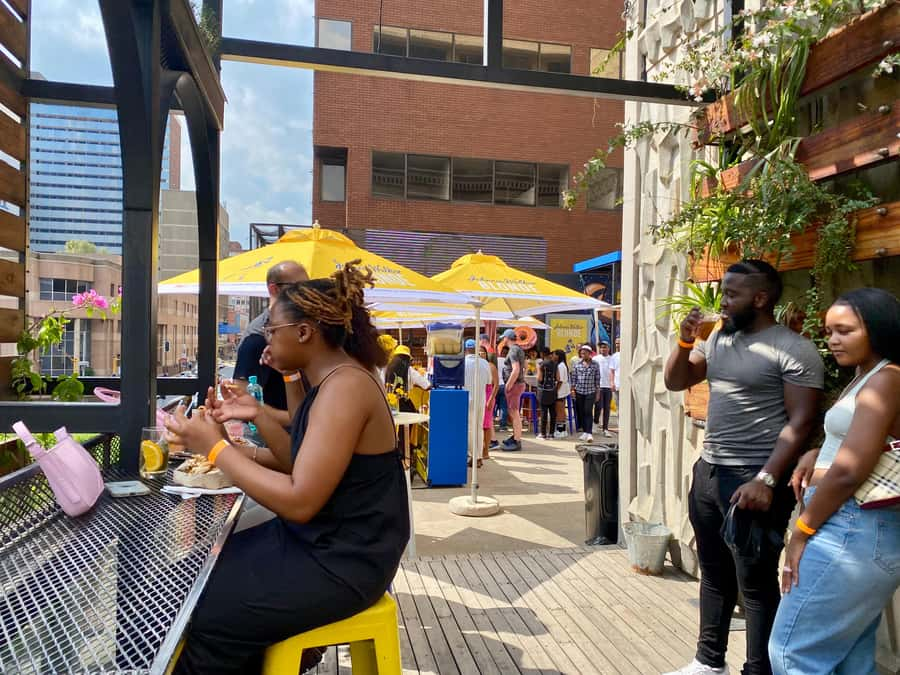
At $37 per person, the tour is reasonably priced for a two-hour guided walk with entry to the included stops. The value comes less from the distance covered and more from the interpretation. Without a guide, you could pass the murals, stores, and installations without knowing who made them or why they matter.
The fee includes access to Grayscale Store and Gallery, The Commune bookstore, and 99 Juta Design Store, along with the main walking route. An optional visit to WITS Art Museum may also be available. Food, drinks, and personal purchases are not included.
The schedule is compact:
- About 15 minutes for the safety briefing and Braamfontein introduction
- About 20 minutes of sightseeing and walking
- About 25 minutes at one cultural or retail stop
- About 25 minutes at another stop
- About 30 minutes for a final visit, shopping, and walking back
In practice, you should allow some flexibility. A conversation with a shop owner, time spent browsing books, or a chance meeting with an artist could affect the pace. The route returns to Skinner Cafe, which keeps the start and finish easy to manage.
Some Saturday extras cost more. Market entry is R20 per person, rooftop court entry is R40, and City Beach Club Rooftop entry is R150. The Saturday Market is currently closed until further notice, so do not book this tour expecting that stop to be available. These add-ons are not needed to enjoy the main street-art and culture walk.
Who will enjoy this Braamfontein walk
This tour suits you if you like public art, independent shops, local fashion, photography, urban history, or conversations about how cities change. It is also a good fit if you want a short activity that gives you a more current view of Johannesburg than a standard sightseeing circuit.
You will get the most from it if you are willing to look beyond the obvious. The best details may be a small bookstore, a migrant-run shop, a clothing label’s origin story, or the design choices in a pottery installation.
The walk is less suitable if you want a long museum visit, a bus tour, or a purely historical lecture. It is also not the right choice if you need a tour in a language other than English. Comfortable shoes are essential, since the experience includes walking between several stops.
Safety is addressed at the beginning, and the guide remains with you during the route. A verified participant, Leonie from Germany, specifically praised Ayanda for sharing the area with care and for making the group feel safe. That is useful information for anyone who feels uncertain about exploring an unfamiliar Johannesburg district on foot.
Should you book the Braamfontein Street Art and Culture Tour?
Book it if you want a focused, people-centered look at Johannesburg’s creative life. The strongest parts are the stories behind The Purple Shall Govern! and Goldust, the visit to Boys of Soweto, the Pan-African selection at The Commune, and the graffiti work around Grayscale.
At $37, you are paying for local context and access to places you might not find on your own, not for a long list of major attractions. The tour is short, English-only, and partly dependent on shop hours and who is available on the day.
For a first look at Braamfontein, I think the mix works well. You get art, history, fashion, books, and everyday street life in a manageable two-hour walk, with a guide such as Ayanda helping you connect the pieces.
FAQ
Where does the Braamfontein Street Art and Culture Tour start?
The tour starts at Skinner Cafe, the green cafe at the corner of Juta and De Beer streets, across from Kitchener’s Carvery Bar on Juta Street.
How long does the tour last?
The experience lasts two hours.
What language is the tour offered in?
The tour is offered in English only.
What is the price?
The listed price is $37 per person.
What should I bring?
Bring comfortable shoes because the experience includes walking between several stops.
What street-art murals are included?
The tour discusses Shepard Fairey’s The Purple Shall Govern! from 2014 and Faith47’s Goldust from 2021, along with other local and international graffiti works.
Which stores and cultural places are visited?
Included stops can include Grayscale Store and Gallery, The Commune bookstore, and 99 Juta Design Store. The route also visits Boys of Soweto and may include WITS Art Museum as an optional stop.
Are food and drinks included?
No. Food and drinks are not included in the tour price.
Is the Saturday Market available?
No. The Saturday Market is currently closed until further notice. Other Saturday options, including rooftop venues, may have separate entry fees.
New street art tours in the world
- Your Own Belgrade: Street Art and Hidden Gems Walking Tour★ 5.0 · 2 reviews
- Wynwood Walls Street Art & Neighborhood Walking Tour★ 4.9 · 9 reviews
- Xochimilco floating gardens, Coyoacan and UNAM murals★ 4.0 · 6 reviews
- Vancouver: Street Art & Craft Beer Walking Tour with Tasting★ 4.8 · 14 reviews
- Vancouver: Street Art & Craft Coffee Walking Tour w/ Tasting★ 4.8 · 11 reviews
- Zagreb Street Art Private Walking Tour with a Local Artist★ 5.0 · 12 reviews
- UNAM: Murals & Revolution★ 4.9 · 8 reviews
- Urban Canvas: Osaka Street Art Bike Tour★ 5.0 · 10 reviews
Johannesburg Mural Tours, side by side.
Colours of Johannesburg: A Graffiti & Street Art Tour
Read our review →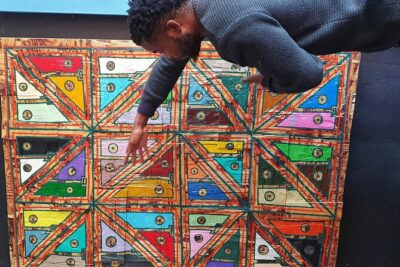
(Meet the Artist)Art Gallery & Street Art tour with lunch
Read our review →
Johannesburg Street Art & Museum Walking or E-scooter Tour
Read our review →Lists this wall walk turns up in