
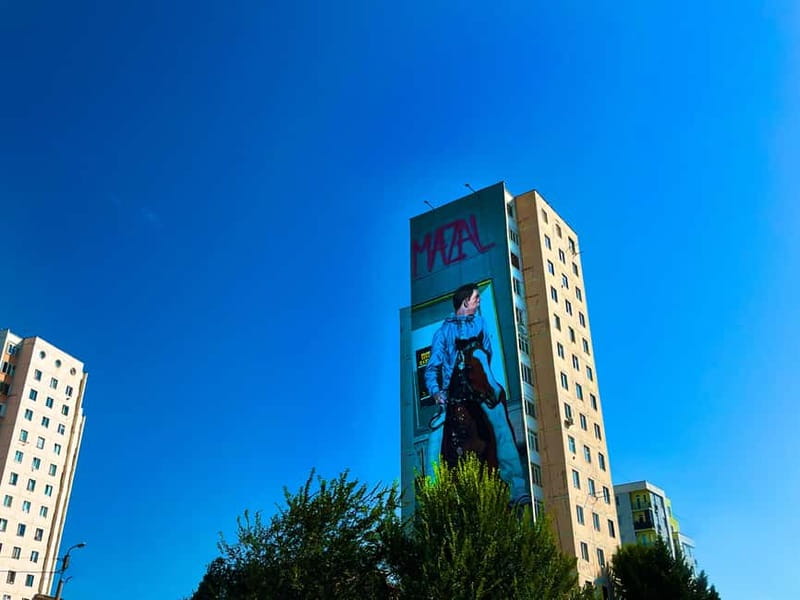
Reviewed · STREET ART MUSEUMS AND GALLERIES
Tbilisi: Soviet Suburbs and Murals Exhibition Guided Tour
Tbilisi’s street art makes its biggest impression far from the postcard center. This three-hour tour takes you from the creative walls of Fabrika to huge murals painted across eight-floor Soviet apartment blocks, where dull gray buildings become an open-air gallery.
I like the contrast between old factory walls and suburban concrete, and I like that transport is included for the ride between them. Guides such as Giorgi and George add local stories and useful advice for the rest of your time in Tbilisi. The main consideration is the 1.5 to 2 miles of walking, often outdoors and in any weather.
Key points at a glance
- Fabrika begins the story: Start in a former Soviet sewing factory now filled with cafés, creative spaces, and street art.
- The murals are enormous: See large works spread across eight-floor, gray square apartment blocks in Tbilisi’s outer districts.
- You get more than art: The guide explains the city’s recent past, the growth of street art, and local details you might miss alone.
- Transport saves time: Pickup, drop-off, and transfers are included, which matters when visiting suburban areas.
- Coffee and water are included: Extra food and drinks cost more, but the basics are covered.
- Small groups or private tours: Children under 12 may join only on a private tour.
Starting at Fabrika, where old industry gets a new face
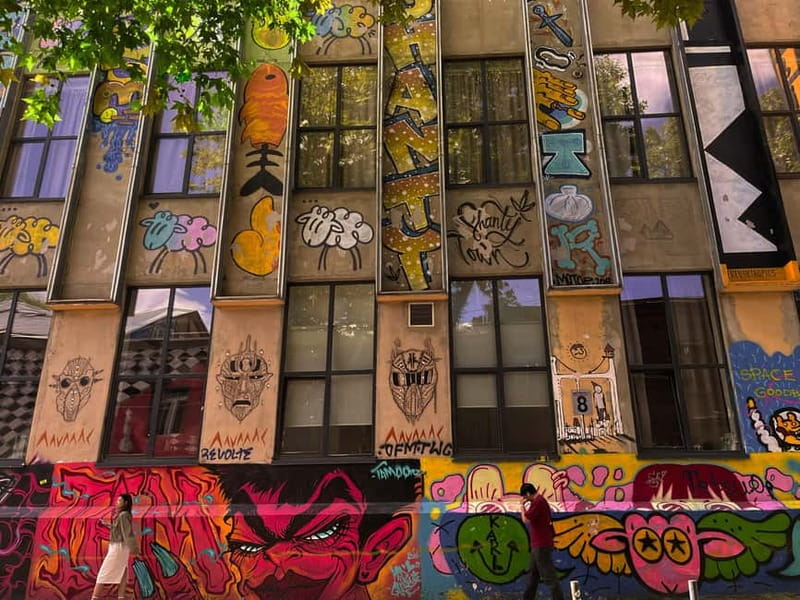
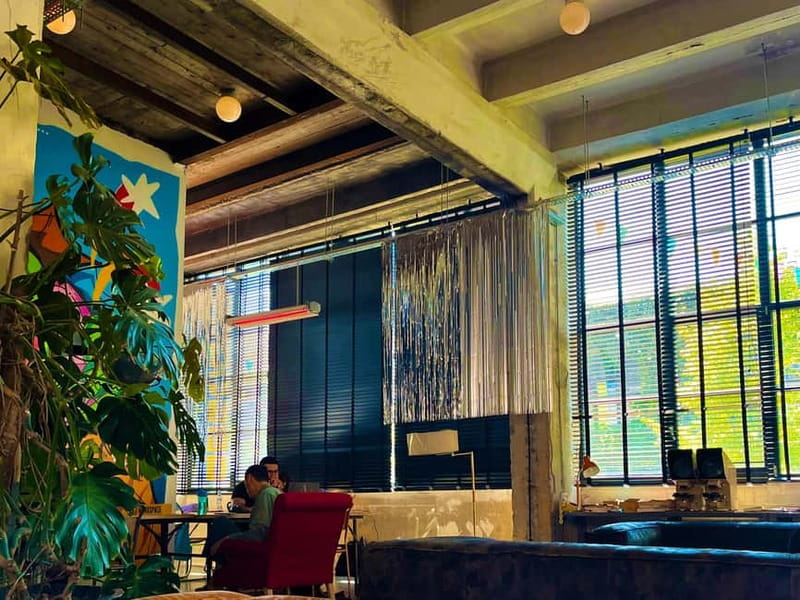
The tour begins in the yard of Fabrika, one of the most useful starting points in central Tbilisi for understanding the city’s creative side. The building once housed a Soviet sewing factory. Today, it has been given a new life as a cultural center with food, drinks, design, and art.
That change sets up the whole tour. You are not simply looking at painted walls. You are seeing how Tbilisi uses old Soviet spaces in new ways. The rough industrial setting helps explain why street art fits the city so well. Old concrete and brick provide a strong backdrop for large, colorful work.
Take a few minutes to look around before the group leaves. The yard and nearby walls carry the first examples of the city’s modern street art scene. You also receive a coffee here, giving you a relaxed start rather than a rushed meeting point.
The Fabrika stop is especially useful if you are new to Tbilisi. It gives you a sense of the city’s current creative life before the tour heads out to less polished districts. You can ask your guide for suggestions for cafés, sights, and places to visit later. Giorgi, one of the named guides, is described as friendly and helpful with practical tips, while George is noted for explaining the background of individual artists and murals.
The one limitation is that Fabrika itself can be lively and social, while the suburban portion is quieter and more raw. If you want a tour focused only on central sights, this outing will feel different. That difference is the point, but it is worth knowing before you book.
More street art museums and galleries in the world:
- CDMX: Xochimilco, Coyoacan, Frida Kahlo Museum & Murals Tour
★ 4.4 · 3,025 reviews - Amsterdam: Streetart Museum STRAAT Entrance Ticket
★ 4.8 · 2,137 reviews - STRAAT Museum – Museum for Street Art Amsterdam Admission Ticket
★ 5.0 · 192 reviews
Riding from central Tbilisi to the Soviet suburbs
After Fabrika, transportation takes you toward the city’s outer districts. This is an important part of the design. You do not need to work out a complicated bus route or spend your limited vacation time finding the apartment blocks on your own.
Pickup and drop-off are included, and the tour is available as a private outing or a small-group trip. You should wait in your hotel lobby five minutes before pickup. The vehicle waits no more than five minutes after the scheduled time, so this is one occasion when being early matters.
The ride changes the mood of the day. Central Tbilisi has old streets, balconies, churches, restaurants, and restored buildings. The suburbs show another side of the city, shaped by Soviet planning and large residential blocks. The contrast is part of the lesson. Tbilisi is not one tidy historic district. It is a city of overlapping eras, from older neighborhoods to planned housing and newer creative projects.
The tour information does not give a precise suburb name or promise a fixed route through every district. That means the exact views may depend on the day and the guide. Still, the main destination is clear: a group of gray, square, eight-floor Soviet-era buildings covered with large murals.
The eight-floor blocks and their giant painted walls
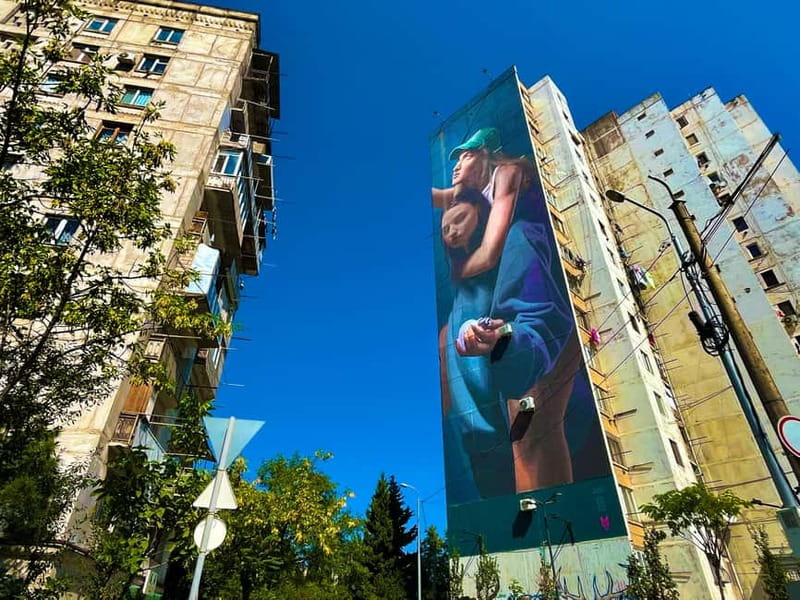
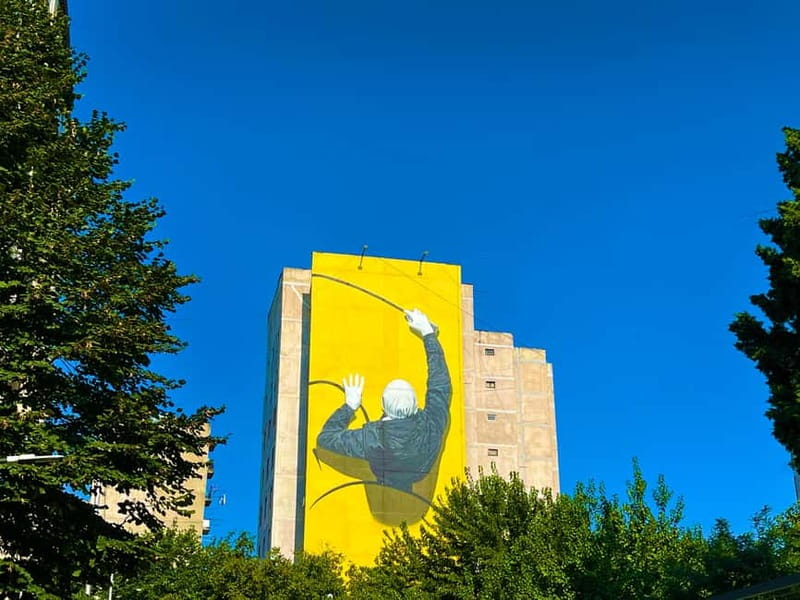
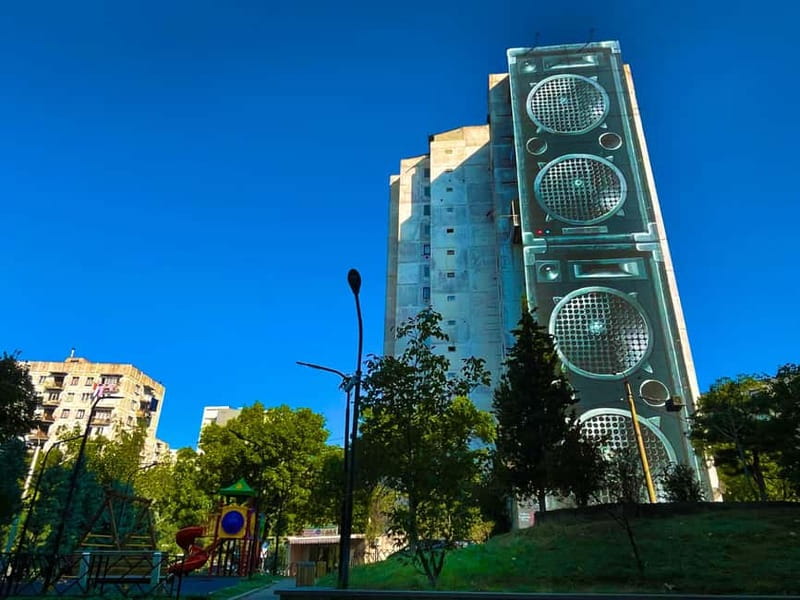
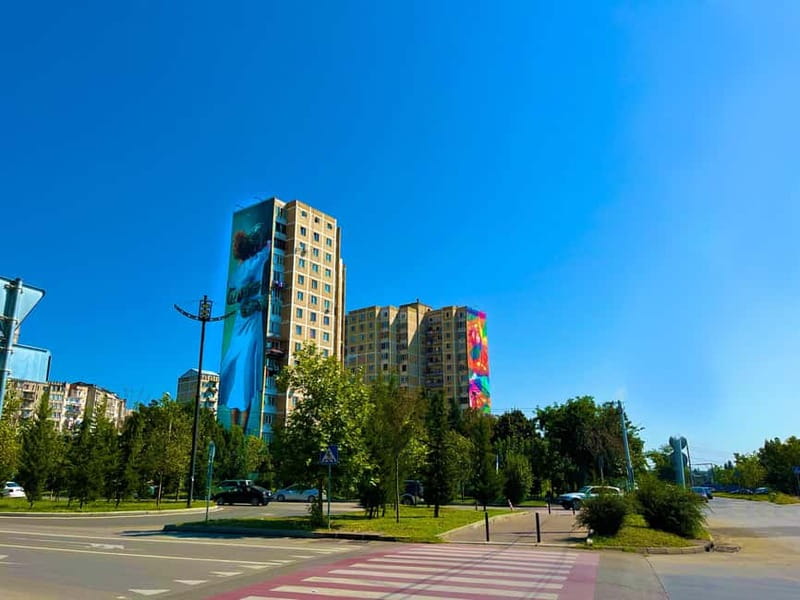
This is the main reason to book the tour. The murals are not small decorations tucked beside a café. They cover the broad faces of imposing residential buildings, turning ordinary apartment blocks into huge canvases.
The scale matters. From street level, you can take in the full work, then walk closer to study smaller details. A guide helps you understand how the art changes the feeling of the neighborhood. Without context, you might simply see colored walls among a sea of concrete. With context, you can consider why artists chose these buildings, how international street art has reached Tbilisi, and how public art changes a shared space.
The works were created by artists from several countries. This gives the collection an international character, but the setting remains local. The murals sit on buildings used by ordinary residents, not behind a museum ticket desk. You are looking at art in a working part of the city.
I would bring a phone or camera with a wide lens if you have one. The buildings are tall and the full designs may be difficult to frame from close range. You do not need special equipment, but the sheer height of the walls rewards stepping back and taking your time.
The guide is also valuable here because the activity promises stories about the artists, the murals, and the city’s changing identity. Ask questions as you go. This is not a silent photo walk. It is a guided look at how public art interacts with Soviet-era construction.
There is a practical tradeoff. These buildings are not presented as a polished museum complex. You are visiting an urban residential area, so the surroundings may feel plain, worn, or uneven. That is part of the setting, not a flaw in the art. If you prefer restored monuments and formal galleries, you may find the visit less comfortable. If you want to see how people live alongside large public artworks, the rough edges make the stop more worthwhile.
Parks, concrete, and a different view of Tbilisi
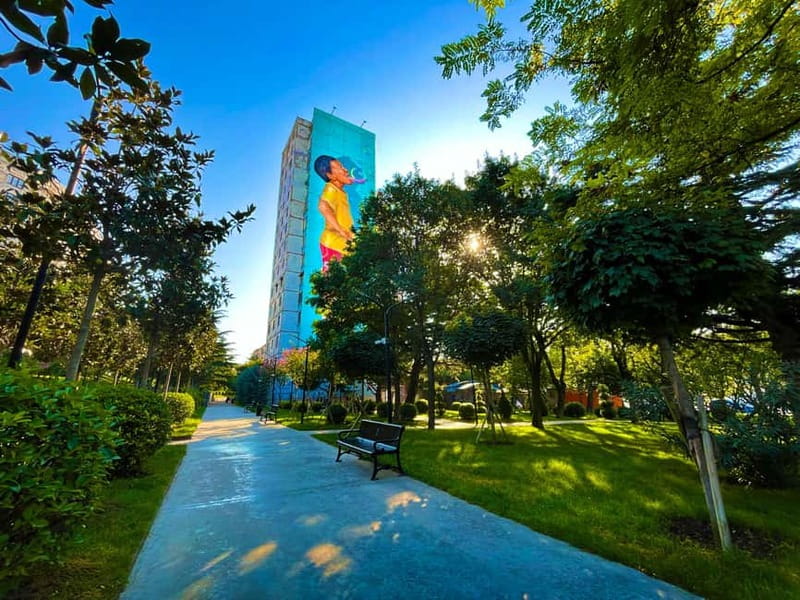
The route also passes a couple of green parks. These stops provide a welcome break from the large blocks and add some balance to the walk.
The parks are not described as major attractions, so you should not expect a long sightseeing stop or a formal garden visit. Their value is visual. Trees and open space interrupt the hard lines of the apartment buildings. They also remind you that Soviet suburbs are not made only of concrete.
This contrast helps the tour avoid becoming a simple architecture trip. You see how public space, housing, art, and greenery sit beside one another. The guide can connect those views to the city’s recent past and present-day culture.
The walking distance is roughly 1.5 to 2 miles in total. That is manageable for most people who are comfortable walking for several hours, but you should wear proper shoes. There may be uneven pavement, outdoor pauses, and stretches without much shade. The tour operates in all weather, so take the forecast seriously and wear clothing suited to the day.
Baby strollers and large bags are not allowed. Babies under one year are not suitable for this activity, and children under 12 can join only on private tours. Families with older children should also consider the walking distance and the amount of standing involved.
More guided art walks in the world:
- London: Street Art and Graffiti Guided Walking Tour
★ 4.9 · 1,354 reviews - Berlin: City Street Art Guided Walking Tour
★ 4.8 · 1,051 reviews - Palermo: Graffiti and Street Art Guided Tour in English
★ 4.8 · 684 reviews - Glasgow: Street Art Guided Walking Tour
★ 4.8 · 385 reviews
What the three-hour format gives you
Three hours is a useful length for this subject. You have enough time to see Fabrika, travel to the suburbs, walk among the murals, and return without giving up a full day of sightseeing.
The schedule also keeps the art from becoming rushed. Large murals need time to view from different angles. You can listen to the guide, take photos, and ask about the city without racing from wall to wall.
At the same time, three hours is not long enough for every part of Tbilisi’s street art scene. This tour focuses on Fabrika and the Soviet apartment blocks. It does not promise a broad survey of every neighborhood or every type of public art in the city.
That focus is useful for a first visit. You receive one clear story: an old industrial site in the center, followed by large public works in the suburbs. If you want a longer art program, you would need to add other museums, galleries, or self-guided walks on another day.
The English-speaking guide is central to the experience. The activity is not simply transport to a set of murals. You are paying for explanation, navigation, and local suggestions. Previous bookings with Giorgi and George point to different strengths: Giorgi is described as punctual, relaxed, and good with practical recommendations, while George is described as especially engaged with the stories behind the artists and works. Guide assignments can vary, so treat those names as helpful possibilities rather than a guarantee.
Is $30 a fair price?
At $30 per person, the price is reasonable if you value convenience and explanation. You receive about three hours, hotel pickup and drop-off, transport between central Tbilisi and the suburbs, an English-speaking guide, coffee, and bottled water.
The strongest value is the transport. You could potentially find public transportation to some outer districts, but the tour removes the planning and navigation work. You also avoid spending part of the day trying to locate the murals without knowing their background.
The price is less compelling if you only want photographs and are happy to explore independently. The murals themselves are in public spaces, and the tour does not include a museum entrance or a meal. You pay mainly for the guide’s time, the vehicle, and the organized route.
Private and small-group options can change the value. A private trip usually makes more sense for families, people who want a slower pace, or anyone with specific questions about art and city history. A small group may suit solo visitors who want company while keeping the outing focused.
Food beyond the included coffee and water is not covered. Eat beforehand or plan to buy something afterward. Since the tour begins at Fabrika, you have an easy place to get a drink or meal around the starting area, but additional purchases are your responsibility.
Free cancellation is available up to 24 hours before the activity for a full refund. You can also reserve now and pay later, which helps if your Tbilisi schedule is still changing.
Who will enjoy this street art outing?
I would recommend it first to people who have already seen central Tbilisi and want a less familiar view of the city. It also suits anyone interested in public art, Soviet architecture, urban change, or contemporary Georgian culture.
It is a good choice if you like guides who explain what you are seeing rather than simply pointing out photo stops. The local advice can also help early in your trip, especially if you want suggestions for the following days.
You may want to skip it if your time in Tbilisi is extremely short and you only want the main old-town sights. It is also not ideal if you dislike walking, outdoor weather, suburban settings, or large residential buildings.
Families need to read the age rules carefully. Children under 12 are allowed only on private tours, and children under four should be mentioned when booking. Babies under one year are not suitable for the activity.
Should you book the Soviet Suburbs and Murals tour?
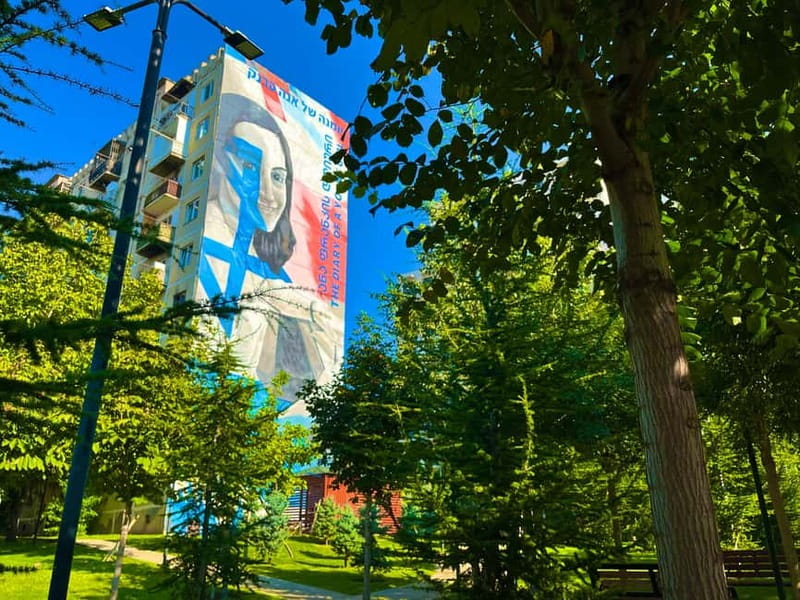
Book it if you want to see Tbilisi as a changing city rather than only as a historic center. The combination of Fabrika, Soviet housing blocks, international murals, parks, and local commentary gives you a clear look at several sides of modern Tbilisi.
I especially like the balance between convenience and real place. You get pickup and transport, but the destination is not packaged as a polished attraction. You walk through an ordinary suburban setting and see how art changes the way those buildings are read.
Skip it if you want a formal gallery tour, a food-focused outing, or a route with no walking. For everyone else, $30 is a solid price for a guided three-hour introduction to Tbilisi’s public art and Soviet-era suburbs.
FAQ
How long does the Tbilisi Soviet suburbs and murals tour last?
The tour lasts three hours.
How much walking is involved?
You should expect roughly 1.5 to 2 miles of walking.
Where does the tour begin?
It begins at Fabrika Hostel yard in central Tbilisi.
What will I see at Fabrika?
You will see a former Soviet sewing factory transformed into a creative cultural space, with murals on the building and in the surrounding area.
What is the main mural site?
The main site is a group of gray, square, eight-floor Soviet-era apartment buildings covered with large murals by international artists.
Is transportation included?
Yes. Hotel pickup and drop-off, as well as transportation during the activity, are included.
Is coffee included?
Yes. A cup of coffee and a bottle of water are included. Extra drinks and food are not included.
Can children join the tour?
Children under 12 are allowed only on private tours. You should inform the provider if a child under four is traveling with you. Babies under one year are not suitable for the activity.
What should I bring?
Bring comfortable shoes and clothing suited to the weather. The tour operates in all weather conditions, so prepare for outdoor walking.
New street art tours in the world
- Your Own Belgrade: Street Art and Hidden Gems Walking Tour★ 5.0 · 2 reviews
- Wynwood Walls Street Art & Neighborhood Walking Tour★ 4.9 · 9 reviews
- Xochimilco floating gardens, Coyoacan and UNAM murals★ 4.0 · 6 reviews
- Vancouver: Street Art & Craft Beer Walking Tour with Tasting★ 4.8 · 14 reviews
- Vancouver: Street Art & Craft Coffee Walking Tour w/ Tasting★ 4.8 · 11 reviews
- UNAM: Murals & Revolution★ 4.9 · 8 reviews
- Urban Canvas: Osaka Street Art Bike Tour★ 5.0 · 10 reviews
- Zagreb Street Art Private Walking Tour with a Local Artist★ 5.0 · 12 reviews
Street Art Museums and Galleries, side by side.
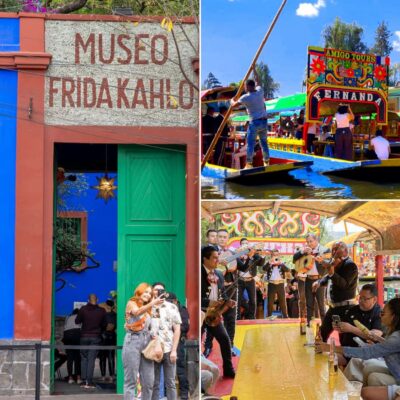
Xochimilco, Coyoacan, Frida Kahlo Museum & Murals Tour
Read our review →

STRAAT Museum – Museum for Street Art Amsterdam Admission Ticket
Read our review →
Wynwood Walls, Galleries, and Murals Guided Tour
Read our review →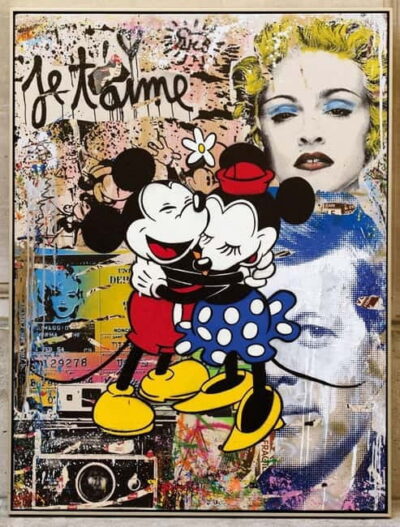
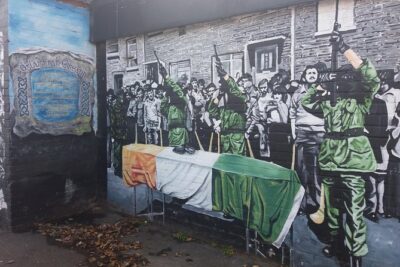
IRA Troubles Conflict Private Tour Museum Graves Murals and Political Analysis
Read our review →
MACA Museum ‘Banksy & Street Art: The Early Years’ Art Exhibition
Read our review →Lists this wall walk turns up in