
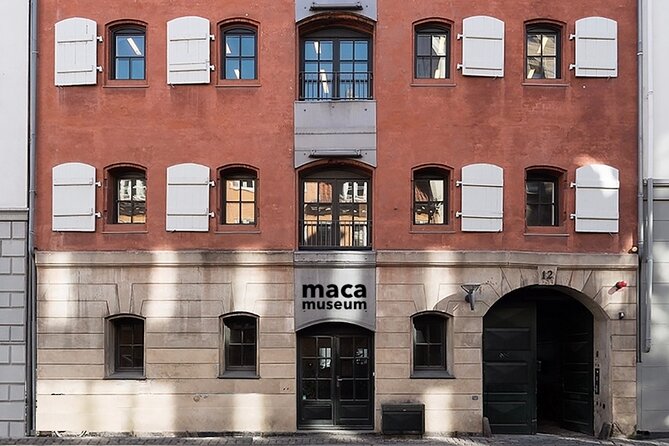
Reviewed · STREET ART MUSEUMS AND GALLERIES
MACA Museum ‘Banksy & Street Art: The Early Years’ Art Exhibition
Banksy is the main draw here, but MACA Museum gives you more than a quick parade of famous images. The three-floor exhibition places Banksy alongside other street artists and modern-art names, with written background that helps explain how graffiti moved from the street into galleries.
I like the museum’s central Copenhagen setting, close to Nyhavn, Amalienborg Palace, and the Marble Church. I also like the chance to see Banksy with Warhol, Basquiat, KAWS, RETNA, Hirst, and Murakami under one roof. The main drawback is practical: expect plenty of reading and stairs between floors, so this is not a quick, effortless stop for everyone.
Key points to know before you go
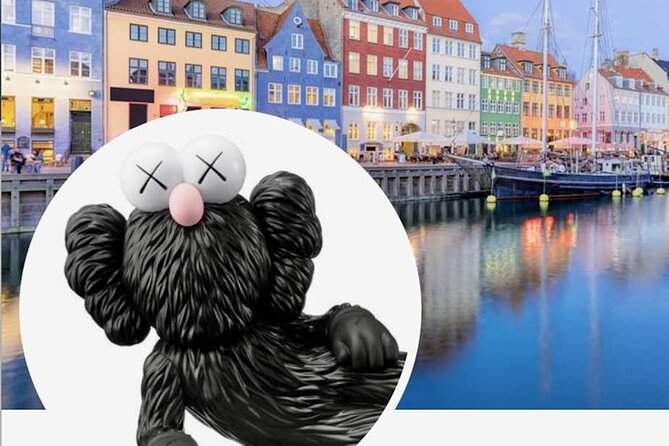
- Banksy is the headline act: The exhibition focuses on Banksy and the early development of street art, with work by other graffiti and modern-art figures.
- Three floors change the pace: You move through several exhibition spaces rather than one large room, with stairs between sections.
- Written context is a major part of the visit: Descriptions explain the art, though visitors who prefer looking over reading may find the amount of text heavy.
- The location works well with a walking day: Nyhavn, Amalienborg Palace, the Marble Church, and Strøget are all nearby.
- Plan on 45 minutes to an hour: That is enough for a focused visit, though careful readers may want longer.
- The price is about $25.87 per person: The value depends on how much you enjoy Banksy, street art, and explanatory museum text.
Banksy takes center stage at MACA Museum
MACA Museum’s Banksy & Street Art: The Early Years exhibition is built around a simple appeal: see one of the best-known names in modern street art, then place that work within a wider artistic setting.
That wider setting matters. Banksy’s images are often easy to recognize, but the exhibition also points you toward the artists and movements around him. You will find work connected to street art and graffiti, alongside names such as Andy Warhol, Jean-Michel Basquiat, RETNA, KAWS, Damien Hirst, and Takashi Murakami.
I like this approach because it gives you two ways to visit. You can focus on the Banksy pieces, take in the visual punch, and move on. Or you can read the descriptions and use the exhibition to think about how street art developed, how artists used public space, and why gallery audiences became interested in work that began outside traditional museums.
The museum is housed in an elegant 19th-century historic building, which gives the visit a different feel from a modern white-box gallery. The older setting and contemporary art make an interesting contrast, though the building also means you should expect a less open layout than a purpose-built museum.
More street art museums and galleries in the world:
- CDMX: Xochimilco, Coyoacan, Frida Kahlo Museum & Murals Tour
★ 4.4 · 3,025 reviews - Amsterdam: Streetart Museum STRAAT Entrance Ticket
★ 4.8 · 2,137 reviews - STRAAT Museum – Museum for Street Art Amsterdam Admission Ticket
★ 5.0 · 192 reviews
Three floors, stairs, and plenty of explanation
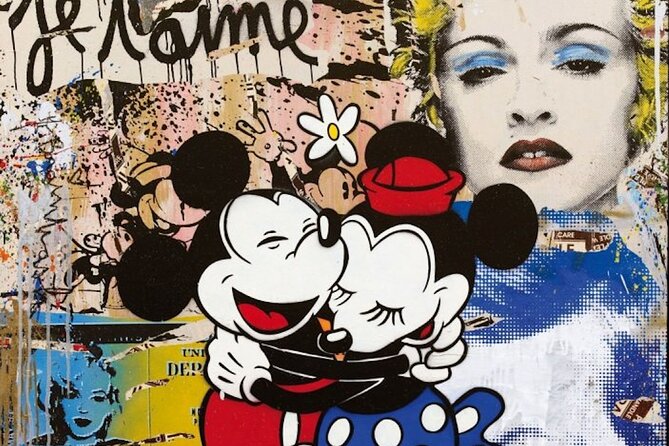
The exhibition spreads across three floors, with different sections arranged through the building. That gives the visit a sense of progress, but it also means you will use stairs to move around.
One practical point deserves attention: the written material is not a small add-on. Descriptions accompany the art and provide background on the works and artists. If you enjoy reading wall text, this adds real value. You can spend time understanding what you are seeing instead of simply recognizing a Banksy image and moving along.
If you mainly want strong visuals, you can read selectively. The museum does not require you to study every panel to enjoy the pictures. Still, you should not book this expecting a purely quick-hit Banksy display. The exhibition asks for at least some attention to the text.
The written explanations can also be translated, according to information from the visit experience. The ticket is offered in English, but language support may be useful if you are more comfortable with another language.
The building has toilets and a coat and bag rack. Those are small details, but they make a difference when you are carrying shopping bags or walking around Copenhagen in changing weather.
What the early street-art focus adds
The title points to the early years of Banksy and street art, rather than presenting only a greatest-hits collection. That focus encourages you to look at the relationship between image, public space, provocation, and audience.
Street art often depends on surprise. A work on a city wall can catch you while you are walking to work, shopping, or waiting for a bus. Inside a museum, that original setting is gone. MACA cannot recreate every part of the street experience, but it can give you context and place Banksy’s work beside other artists who helped shape modern visual culture.
This is where I think the exhibition earns its time. You are not just seeing familiar symbols. You are being asked to consider the path from unauthorized public art to collected, displayed, and discussed museum art.
That shift can be fascinating, but it may also feel slightly odd if you prefer street art in its original surroundings. A gallery gives you protection, lighting, descriptions, and a calm place to look. It removes the risk and surprise that are part of the medium’s character.
The nearby Copenhagen route: Nyhavn, palaces, and shopping
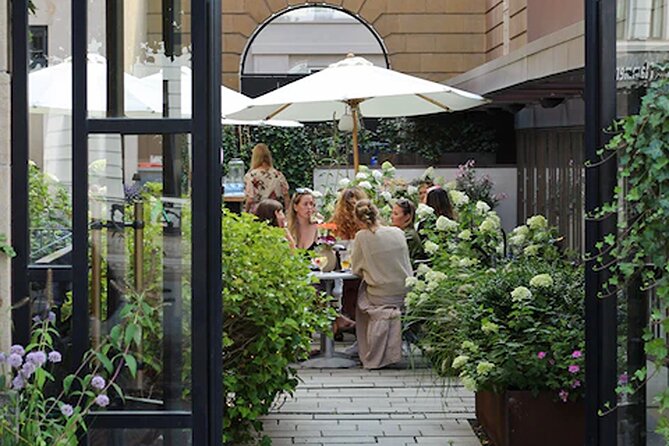
The museum works especially well as part of a central Copenhagen walking route. Nyhavn is listed as the stop connected with the experience, and the museum is close to the colorful harbor district.
After the exhibition, you can walk toward Amalienborg Palace, the official residence of the Danish royal family. King Frederick X, Crown Princess Mary, and Queen Margrethe are associated with the residence during the autumn and winter season. The palace gives you a sharp change of subject after contemporary art: from stencil culture and graffiti to Danish royal architecture and ceremony.
The Marble Church, formally Frederiksberg Kirke and commonly called Marmorkirken, is also nearby. Its grand scale offers another useful contrast with the museum’s more intimate rooms.
Strøget, Copenhagen’s major shopping street, is close as well. It is described as the longest shopping street in Europe and is linked with the city’s association with Hans Christian Andersen. You can combine the museum with shopping, harbor views, palace architecture, and a classic central-Copenhagen walk without arranging separate transport between each stop.
I would avoid treating the museum as an isolated destination. The strongest plan is to pair it with two nearby sights and give yourself time to walk between them. That makes the $25.87 ticket easier to justify, especially if contemporary art is only one part of your day.
More street art tours worth booking in the world:
- Medellin: Comuna 13 Graffiti Tour, Cable Car & Street Food
★ 4.8 · 9,046 reviews - Belfast: Murals Taxi Tour
★ 4.9 · 2,047 reviews - Wynwood Graffiti Golf Cart Small-Group Tour
★ 5.0 · 1,646 reviews - London: Street Art and Graffiti Guided Walking Tour
★ 4.9 · 1,354 reviews
Is $25.87 a fair price?
At about $25.87 per person, this is not a bargain museum entry. The price makes the most sense if you already have a strong interest in Banksy, graffiti, or modern art and expect to spend close to an hour inside.
The value improves if you use the exhibition as a central stop in a larger day. You are paying for admission to a museum with multiple artists, not only for one Banksy display. The presence of Warhol, Basquiat, RETNA, KAWS, Hirst, and Murakami broadens the appeal.
For someone who only wants a few famous Banksy images, the price may feel high. You could finish the main visual portion quickly, particularly if you skip much of the text. For someone who likes to read about technique, context, and the development of street art, the ticket offers more substance.
The average booking point is 19 days before the visit, which suggests that planning ahead is sensible. You do not need to build your entire Copenhagen trip around the museum, but reserving it in advance helps you fit it neatly between nearby sights.
The ticket is mobile, making it easy to keep with your other Copenhagen bookings. Confirmation arrives when you book, and the experience is offered in English.
Who will enjoy this exhibition most?
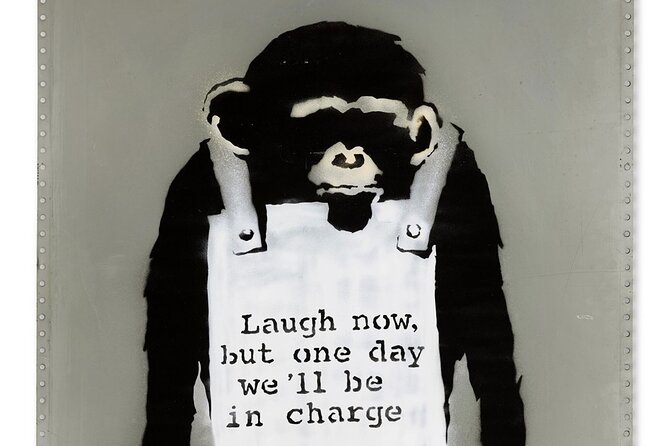
I would recommend MACA to anyone who already likes Banksy or wants a straightforward introduction to street art in a museum setting. It also suits couples or small groups with different levels of art interest because one person can focus on the images while another spends more time with the explanations.
Families with older children and teenagers may find the subject accessible, especially if they recognize Banksy’s visual style or are curious about graffiti. The museum’s three-floor layout gives the visit some movement, but the stairs and reading mean it may not hold the attention of very young children.
Art students and people interested in the boundary between popular culture and museum culture may get the most from the exhibition. The combination of street artists and major modern-art names gives you plenty to compare.
I would be more cautious if you dislike stairs, prefer short visits, or want a guided tour with a named expert. No guide is identified for this experience. It is a museum admission visit rather than a walking tour with live commentary.
The museum is near public transportation, and most people can participate. Still, the supplied information does not promise step-free access, so anyone with mobility concerns should check directly before booking.
How long should you allow?
The stated visit length is about 45 minutes to one hour. That is a sensible target for a focused museum visit.
Give yourself 45 minutes if you want to see the main pieces, read some captions, and continue on to Nyhavn or Amalienborg. Allow extra time if you read every description or want to compare the different artists carefully.
The three-floor setup can make a short visit feel fuller than the clock suggests. You are not simply walking through one room, but you will need to account for stairs and pauses while moving between sections.
I would schedule the museum at a point when you are not rushing for a restaurant reservation or palace visit. The exhibition is compact enough to fit into a busy day, but rushing through the text weakens one of its main strengths.
A practical plan for your visit

Keep your mobile ticket ready and plan the museum as part of a central Copenhagen route. Since the attraction is near public transportation, you have flexibility if the weather changes or if you do not want to walk the entire way.
Start with the Banksy works that interest you most, then return to the written explanations. This prevents the amount of text from making the visit feel like homework. You can also decide early whether you want a full historical reading or a visual tour.
Use the coat and bag rack if needed, and remember that the exhibition includes stairs between floors. Comfortable footwear is useful, particularly if you plan to continue toward Nyhavn, Amalienborg, the Marble Church, and Strøget afterward.
Free cancellation is available if you cancel at least 24 hours before the start time. A cancellation made less than 24 hours before the start time is not refunded, and late changes are not accepted. The cut-off follows Copenhagen local time.
Should you book MACA Museum?
Book it if Banksy and street art are a real interest, not simply a name you feel you ought to see. The exhibition offers more than one artist, useful written context, and a convenient location near several major Copenhagen sights.
Think twice if you want an entirely visual visit, dislike stairs, or expect a guided tour. The price is reasonable only when you take time to appreciate the broader collection and use the museum’s central location to build a full walking day.
For the right visitor, MACA is an efficient way to connect Banksy with the wider world of modern art. It is compact, easy to add to a Copenhagen itinerary, and substantial enough to reward more than a quick glance.
FAQ
Where is MACA Museum located?
MACA Museum is in the heart of Copenhagen, near Nyhavn. Amalienborg Palace, the Marble Church, and Strøget are also nearby.
How long does the exhibition take?
Plan on approximately 45 minutes to one hour. You may need longer if you read the exhibition descriptions in detail.
How much does admission cost?
The listed price is $25.87 per person.
Is the ticket mobile?
Yes. A mobile ticket is provided, and confirmation is received at the time of booking.
Is the experience offered in English?
Yes. The experience is offered in English. Information from the visit also indicates that exhibition explanations may be translated.
Is the museum close to public transportation?
Yes. MACA Museum is near public transportation.
Can I cancel for a full refund?
Yes, if you cancel at least 24 hours before the experience start time. Cancellations made less than 24 hours before the start time are not refunded, and late changes are not accepted.
New street art tours in the world
- Your Own Belgrade: Street Art and Hidden Gems Walking Tour★ 5.0 · 2 reviews
- Wynwood Walls Street Art & Neighborhood Walking Tour★ 4.9 · 9 reviews
- Xochimilco floating gardens, Coyoacan and UNAM murals★ 4.0 · 6 reviews
- Vancouver: Street Art & Craft Beer Walking Tour with Tasting★ 4.8 · 14 reviews
- Vancouver: Street Art & Craft Coffee Walking Tour w/ Tasting★ 4.8 · 11 reviews
- Urban Canvas: Osaka Street Art Bike Tour★ 5.0 · 10 reviews
- Zagreb Street Art Private Walking Tour with a Local Artist★ 5.0 · 12 reviews
- UNAM: Murals & Revolution★ 4.9 · 8 reviews
Street Art Museums and Galleries, side by side.
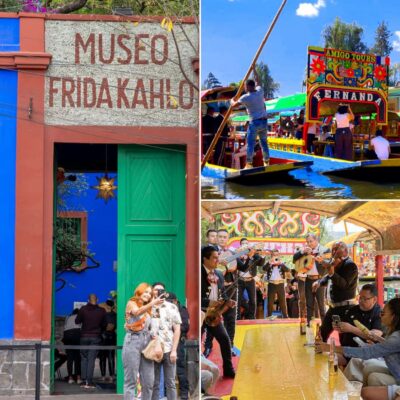
Xochimilco, Coyoacan, Frida Kahlo Museum & Murals Tour
Read our review →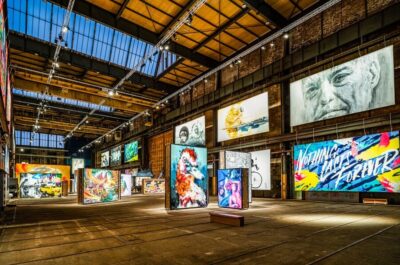
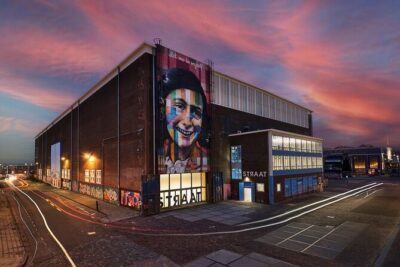
STRAAT Museum – Museum for Street Art Amsterdam Admission Ticket
Read our review →
Wynwood Walls, Galleries, and Murals Guided Tour
Read our review →
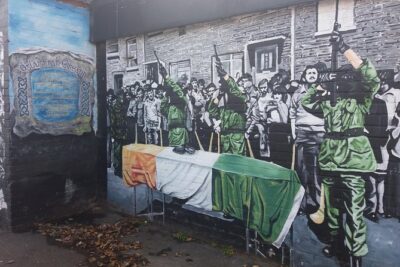
IRA Troubles Conflict Private Tour Museum Graves Murals and Political Analysis
Read our review →
Lists this wall walk turns up in