
Reviewed · GRAFFITI TOURS
Nairobi Street Art and Graffiti Tour
Nairobi’s walls can tell you as much about the city as its museums. This three-hour tour follows graffiti, murals, and decorated matatus into parts of Nairobi that most standard sightseeing routes skip. The art is often social commentary, touching on politics, identity, hardship, hope, and community.
I like two things here. First, a guide such as Kevin can connect the paint to Kenya’s recent events and daily life, rather than treating every wall as a photo backdrop. Second, the tour brings in matatu culture, including the slang, music, and loud graphics of a nganya ride into Eastlands. The main caution is that the art may not fill the whole three hours. One recent outing included only a few street art pieces, so book this as a wider urban culture tour, not a gallery-style art walk.
Key points to know before booking
- A street art tour with a wider city focus: Expect graffiti, murals, matatus, local culture, and stories about Nairobi’s past and present.
- A possible nganya ride: The tour may include a matatu trip into Eastlands, surrounded by bold vehicle art and loud music.
- Private three-hour experience: Your group has a live local guide rather than joining a large public crowd.
- A strong social and political angle: Art may open conversations about identity, empowerment, politics, hardship, and community.
- Hotel pickup within Nairobi CBD: Pickup is included in the Central Business District, while visitors staying elsewhere receive a meeting point.
- Good photo potential, with some walking: Bring a charged phone or camera and expect a substantial amount of time on foot.
Nairobi’s walls as a city guide
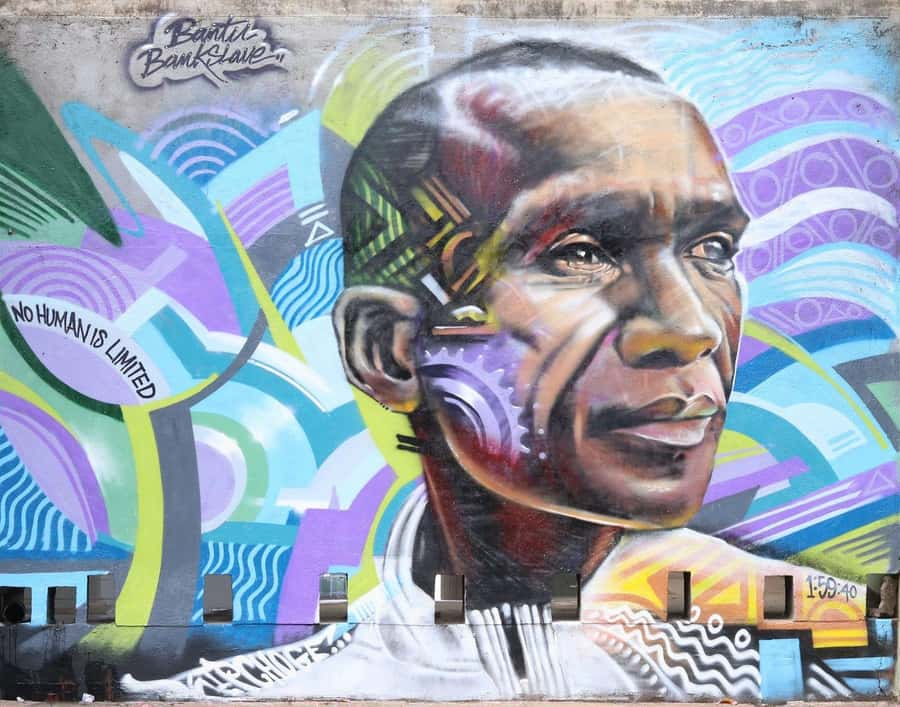
The best part of this experience is the way it treats street art as public conversation. A painted wall is not just decoration here. It can carry a political idea, reflect local identity, honor a community, or offer a visual answer to difficult conditions.
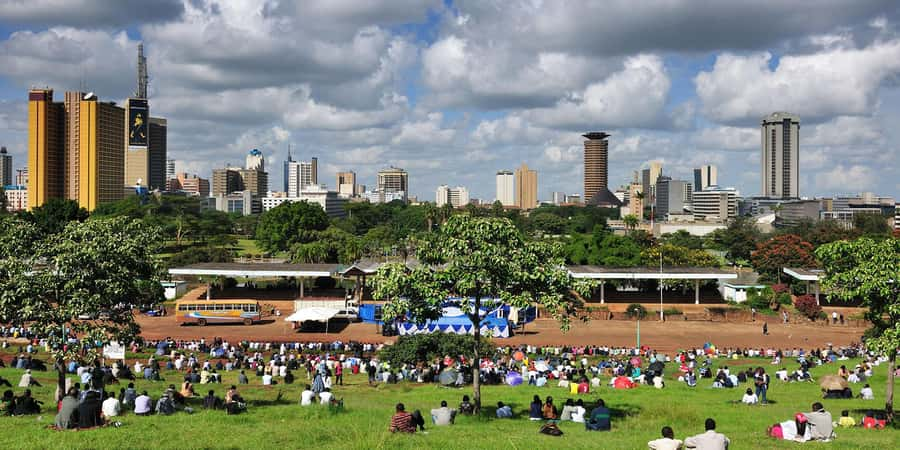
Your guide leads you through selected streets and alleys, with routes that can include Nairobi West and downtown. The exact starting point and artwork can vary, since street art changes and access to certain spaces may depend on the day. That is part of the appeal, but it also means you should not expect a fixed museum-like collection.
I would approach the tour with curiosity rather than a checklist. You may stop at a mural and hear who made it, what its symbols mean, and how it connects to Kenyan public life. At another point, the guide may explain slang, music, or a local custom that helps you read the city around you.
The guide’s role matters a great deal. The experience is led by a local artist or cultural expert, and Kevin is named as one guide who has led this route. A good guide can explain the difference between a quick bit of graffiti and a work with a clear political or social purpose. You also have a chance to ask questions instead of simply walking past the walls.
More Graffiti Tours in the world:
- Medellin: Comuna 13 Graffiti Tour, Cable Car & Street Food
★ 4.8 · 9,046 reviews - Wynwood Graffiti Golf Cart Small-Group Tour
★ 5.0 · 1,646 reviews - London: Street Art and Graffiti Guided Walking Tour
★ 4.9 · 1,354 reviews
What you may see in Nairobi West and downtown
The walking portion is built around areas known for public art and expressive walls. Nairobi West offers a look at street-level city life, while downtown can lead you through tighter streets and less obvious corners. The route is not presented as a polished art district, and that is important to understand before you book.
You may find art in places where ordinary city activity carries on around it. Shops, traffic, pedestrians, and working streets become part of the setting. This makes the experience feel less like an outdoor exhibition and more like a lesson in how people use public space.
The art itself can cover several themes:
- Political events and public debate
- Kenyan identity and local pride
- Empowerment and resilience
- Hardship and the ways communities respond
- Hope, humor, and everyday life
A detailed explanation of even one piece can make a bigger impression than a long list of walls. One recent tour included a particularly useful story about a work, but only a few pieces received that level of attention. If you care most about the artists, ask your guide early to point out which works have a known creator and which are more informal graffiti.
The route also creates strong photo opportunities. You can photograph painted walls, details in lettering, street scenes, and matatu designs. Ask before photographing people, shops, or sensitive locations. Your guide can help you choose respectful angles and explain when a picture might be unwelcome.
The matatu and nganya connection
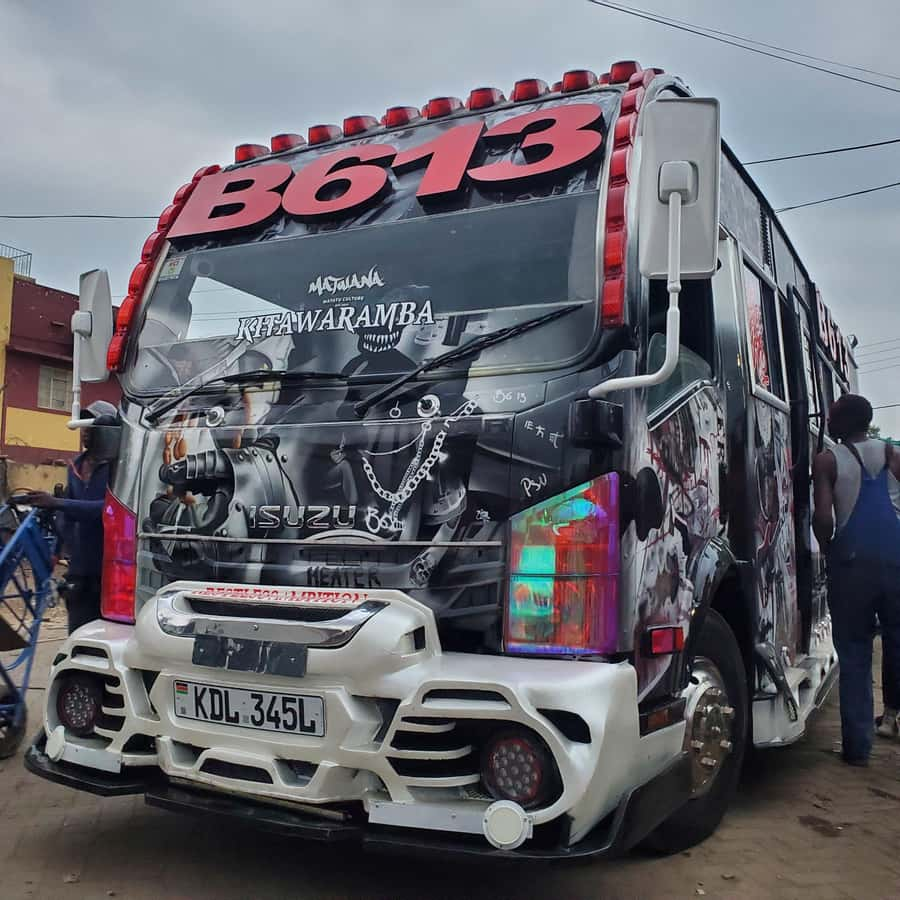
The most unusual part of the experience may be the move from wall art to vehicle art. Nairobi’s matatus are public minibuses, and their decoration can include striking paintwork, bold lettering, music, and pop culture references. A nganya is local slang for a matatu.
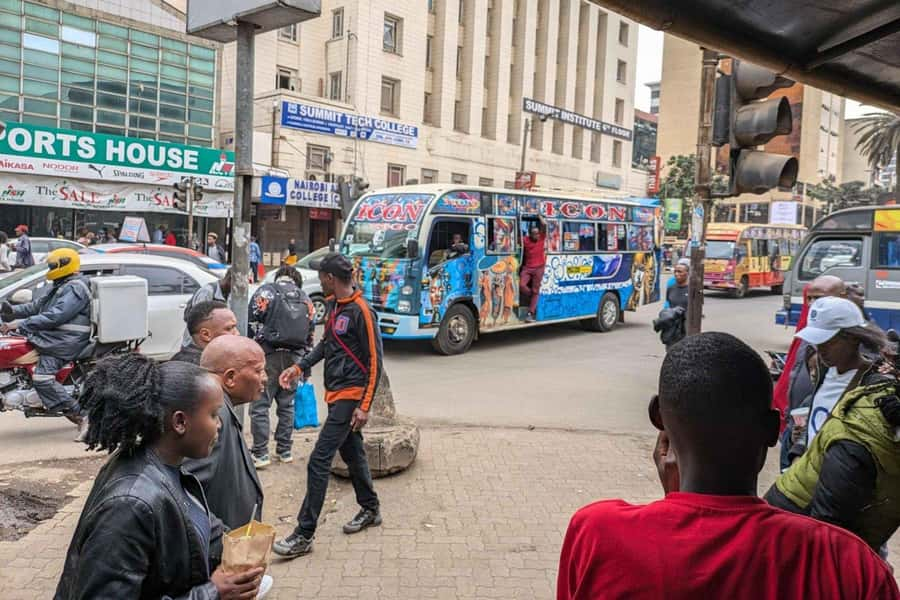
On one outing, the group rode a nganya into Eastlands, a densely populated part of Nairobi. The ride added a layer that a walking-only tour would miss. Instead of seeing urban art fixed to a wall, you see it moving through the city as part of daily transport.
The music can be loud, and the vehicle design is meant to be noticed. For you, that means the ride is less about quiet sightseeing and more about taking in the sound and energy of local transport culture. It is also a practical way to see how art travels through the city.
I would not treat the matatu ride as a minor extra. For many visitors, this is the moment that makes the tour feel different from a standard city walk. It offers access to an experience that can feel hard to manage alone, especially if you do not know the routes, customs, or neighborhoods.
The tradeoff is comfort and predictability. A matatu is public transport, not a private sightseeing vehicle. The tour description confirms that the ride may be part of the experience, but it does not promise a specific vehicle, route, or length of ride. If you want a carefully controlled art tour, the matatu section may feel like a change of plan. If you want a local experience with a bit of noise and motion, it can be the highlight.
Eastlands and the wider story of Nairobi
The trip into Eastlands broadens the tour beyond graffiti. You are not simply being taken to a wall, photographed, and returned to your hotel. The route can introduce you to a part of Nairobi connected with dense urban life, local transport, music, slang, and the ways people create community under pressure.
That wider focus explains the mixed expectations around the tour. Its title promises street art and graffiti, but the actual experience can become a general city exploration with art woven through it. You may walk around 9,000 steps, see only a handful of art pieces, and still come away with a much better sense of Nairobi’s daily rhythm.
This is a good distinction to make before paying $95. If your goal is to count murals, meet several working artists, and hear a detailed account of each painting, the tour may feel light on art. The advertised chance to meet local creatives is possible, but it is not something you should treat as guaranteed.
If your goal is to understand how street art fits into politics, music, public transport, and community life, the broader route makes more sense. I like that the tour can show how creative expression appears in places that do not look like formal art venues.
More street art tours worth booking in the world:
- CDMX: Xochimilco, Coyoacan, Frida Kahlo Museum & Murals Tour
★ 4.4 · 3,025 reviews - Amsterdam: Streetart Museum STRAAT Entrance Ticket
★ 4.8 · 2,137 reviews - Belfast: Murals Taxi Tour
★ 4.9 · 2,047 reviews - Lisbon: Street Art Tour
★ 4.9 · 1,324 reviews
A three-hour outing and how the time feels
Three hours is enough time for a useful introduction without taking up an entire day. You should expect a mix of walking, stops for explanations, photography, and possibly a matatu ride. The walking can be substantial, so wear comfortable shoes and keep water with you. A bottle of water is included.
The start may require patience. Hotel pickup within Nairobi CBD is included, and the guide meets you in the hotel lobby or agreed pickup point about 15 to 30 minutes before the scheduled start. If you stay outside the CBD, you need to travel to the supplied meeting point.
The opening moments may feel less polished than a conventional sightseeing tour. Have your phone ready for WhatsApp or SMS coordination on the day. This is especially useful if the meeting point changes or the guide needs to confirm your location.
Once the tour gets moving, the private format should help. You can ask for more context about a political image, pause for photographs, or tell the guide what interests you most. Since this is a private group, you are not tied to the questions or pace of a large mixed crowd.
The route may include entry to certain galleries or spaces when relevant, and those entry fees are included. Meals and snacks are not included, so eat beforehand if you do not want to interrupt the three-hour outing.
How much value do you get for $95?
At $95 per person, this is not a cheap city walk. The price makes the most sense if you value a private guide, hotel pickup within Nairobi CBD, local interpretation, and the chance to combine street art with matatu culture.
You are paying for access and context more than for a large number of artworks. A self-guided search for murals would cost less, but it would not give you the same help with political references, slang, public transport, or neighborhood etiquette. It may also be harder to arrange a matatu experience with confidence.
The value is weaker if you want a tightly planned art itinerary. The available experience can include only a few graffiti pieces, and the guide may not introduce you to artists. In that case, part of the price is paying for a broader city experience that does not match a narrow reading of the title.
I would compare it with the cost of a private Nairobi guide rather than with the price of a museum ticket. The question is not How many murals will I see? It is Do I want a local guide to connect art, transport, music, and social life in one morning or afternoon?
The rating of 4.6 comes from only two recorded ratings, so I would not treat it as a large performance record. The detailed feedback points to a worthwhile but variable experience. Your satisfaction will depend heavily on the guide, the day’s route, and how strongly you want the art portion to dominate.
Who will enjoy this tour most?
I would recommend it to you if you enjoy photography, public art, urban culture, and conversations about how cities work. It suits people who want to see Nairobi away from the usual sightseeing stops and who are open to a little unpredictability.
It is also a good fit if you want to try a nganya with local guidance. The ride can feel intimidating to arrange on your own, while a local guide can help you handle it as part of a planned outing.
The tour may suit first-time visitors who want a quick introduction to Nairobi’s slang, music, matatus, and social issues. It can also work for returning visitors who have already seen the standard attractions and want something more connected to present-day city life.
I would hesitate if you need a quiet, polished, art-gallery experience. I would also think twice if walking for several hours is difficult, since a previous outing covered roughly 9,000 steps. The information provided does not give a specific accessibility plan, so contact Hadley Travel Solutions before booking if you have mobility concerns.
Practical tips for a better outing
Wear shoes that can handle extended walking and bring a charged phone for photos and tour coordination. The included bottled water helps, but you should arrange your own meal or snack before or after the tour.
Keep your camera ready, since some of the best subjects may be on moving matatus rather than on a planned stop. At the same time, do not let photography replace listening. The political and social meaning is a major part of the experience.
Ask the guide about the difference between graffiti, commissioned murals, and matatu decoration. Ask who created a piece, what event it refers to, and how local people respond to it. Those questions can turn a quick stop into the strongest part of your tour.
If you want more street art and less general city exploration, say so at the start. The route is private, so your guide may be able to place more weight on walls, artists, and the stories behind specific works, though a fixed number of murals is not promised.
Cancellation is free up to 24 hours before the tour, and you can reserve now and pay later. That flexibility is useful if your Nairobi schedule is still changing. Pickup is included only within Nairobi CBD, and transportation outside the designated pickup zone is not included.
Should you book the Nairobi Street Art and Graffiti Tour?
Book it if you want a personal introduction to Nairobi’s creative city life, with matatus, music, slang, social issues, and a possible ride into Eastlands. Kevin’s style, as described through the experience, adds the kind of local explanation that is hard to get from a guidebook.
Do not book it expecting three solid hours of murals or a guaranteed meeting with artists. The art portion may be lighter than the name suggests, and the opening arrangements may feel a little rough.
My call: book this as a private urban culture tour with street art at its center, not as a specialist graffiti tour. At $95, it is worthwhile for curious visitors who value access and context. It is less convincing for anyone who wants a precise art-focused itinerary.
FAQ
Where does the Nairobi Street Art and Graffiti Tour take place?
The tour takes place in Nairobi, with walking sections that may include Nairobi West, downtown streets, and hidden alleys. It can also include a matatu ride into Eastlands.
How long does the tour last?
The tour lasts three hours.
How much does the tour cost?
The price is $95 per person.
Is hotel pickup included?
Hotel pickup and drop-off are included for people staying within Nairobi’s Central Business District. Pickup is not included outside the designated zone.
Where do I meet the guide if I stay outside Nairobi CBD?
You receive a meeting point address and Google Maps pin in advance if you stay outside the CBD or prefer to meet at the starting location.
Who leads the tour?
A local artist or cultural expert leads the tour. Kevin is one named guide associated with the experience.
Is the tour private?
Yes. It is offered as a private group experience with a live guide.
Is a matatu ride included?
The experience can include a ride in a nganya, the local slang term for a matatu. The supplied information does not guarantee a specific vehicle or route.
What is included in the price?
The price includes the guided walking tour, bottled water, applicable entry fees for certain galleries or spaces, photography opportunities, storytelling, and CBD hotel pickup and drop-off. Food, souvenirs, insurance, and transportation outside the pickup zone are not included.
New street art tours in the world
- Your Own Belgrade: Street Art and Hidden Gems Walking Tour★ 5.0 · 2 reviews
- Wynwood Walls Street Art & Neighborhood Walking Tour★ 4.9 · 9 reviews
- Xochimilco floating gardens, Coyoacan and UNAM murals★ 4.0 · 6 reviews
- Vancouver: Street Art & Craft Beer Walking Tour with Tasting★ 4.8 · 14 reviews
- Vancouver: Street Art & Craft Coffee Walking Tour w/ Tasting★ 4.8 · 11 reviews
- Zagreb Street Art Private Walking Tour with a Local Artist★ 5.0 · 12 reviews
- UNAM: Murals & Revolution★ 4.9 · 8 reviews
- Urban Canvas: Osaka Street Art Bike Tour★ 5.0 · 10 reviews
Graffiti Tours, side by side.
Comuna 13 Graffiti Tour, Cable Car & Street Food
Read our review →

Brooklyn Graffiti & Street Art Walking Tour in Bushwick
Read our review →
Comuna 13 Tour with Snacks And Your Own Graffiti
Read our review →Lists this wall walk turns up in