
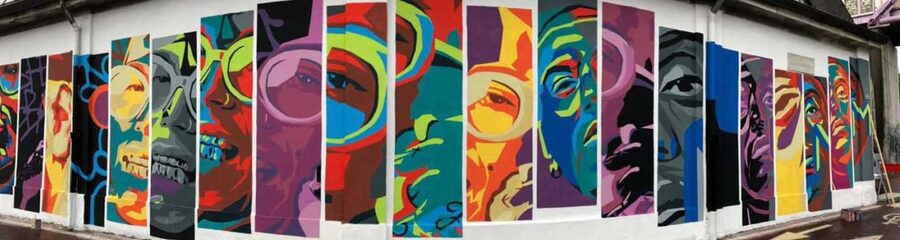
Reviewed · STREET ART MUSEUMS AND GALLERIES
Milan: Street Art Tour of Ortica, Milan’s open air museum
Ortica’s murals turn a once-overlooked corner of Milan into an outdoor history lesson. You’ll walk through streets shaped by railway tracks, viaducts, and the Lambro River, then see how the Or.Me. Project uses more than 20 large murals to tell stories of Milanese workers, musicians, partisans, activists, and everyday people. I especially like the local storytelling and the small group, limited to eight people. Your guide can explain the art instead of leaving you to guess at its meaning.
I also like that the tour treats street art as more than decoration. It shows how art can help a neighborhood reclaim its identity. The main consideration is that this is a two-hour walking tour, not a full survey of every mural in Ortica. One recent participant wanted to see more street-art buildings, so book this for context and selected works, not an exhaustive photo hunt.
Key points about Ortica’s street art walk
- More than 20 large murals: The Or.Me. Project connects public art with Milanese memory and local identity.
- A small group of up to eight: You get a better chance to ask questions and keep pace with the guide.
- English-speaking guides such as Lucy and Luca: Both received especially warm praise for being informative, friendly, and enthusiastic.
- A two-hour route through Ortica: The walk includes guided sections, photo stops, free time, and a final viewpoint.
- A neighborhood transformed by art: You see how a working-class district changed from an isolated fringe area into Milan’s first open-air museum district.
- A practical Milan add-on: Meet outside Argonne metro station on Line 4, with transport to and from the tour arranged on your own.
Why Ortica makes a good street-art stop
Milan is famous for polished architecture, fashion, design, and grand museums. Ortica gives you a different view of the city. This district grew around industry, rail lines, viaducts, and the Lambro River. For years, those features helped cut it off from the rest of Milan.
That separation shaped Ortica’s character. It was a working-class neighborhood that sat somewhat outside the city’s usual sightseeing routes. The Or.Me. Project, short for Ortica Memoria, helped change that picture by placing large murals on buildings around the district.
The project was created by the local artist collective Orticanoodles. Its more than 20 murals tell pieces of Milan’s collective memory. The subjects include factory workers, musicians, anti-fascist partisans, feminist figures, activists, and people who might otherwise disappear from the city’s official story.
That matters because you are not simply walking past painted walls. You are seeing a neighborhood use public art to explain who it is. The guide helps connect the figures and images to Milan’s social and cultural past, so the tour has more substance than a quick search for colorful backdrops.
More street art museums and galleries in Italy:
- CDMX: Xochimilco, Coyoacan, Frida Kahlo Museum & Murals Tour
★ 4.4 · 3,025 reviews - Amsterdam: Streetart Museum STRAAT Entrance Ticket
★ 4.8 · 2,137 reviews - STRAAT Museum – Museum for Street Art Amsterdam Admission Ticket
★ 5.0 · 192 reviews
Starting outside Argonne on Metro Line 4
The tour begins outside Argonne station on Milan’s Metro Line 4. Look for the guide carrying the agency logo. Transportation to the meeting point is not included, so allow time to reach the station and get your bearings before the stated start time.
Argonne is a useful starting point because it places you on the edge of the Ortica route. The first guided section lasts about 15 minutes. Use it to settle into the group and get the basic story of the district before the murals take center stage.
The group is limited to eight people. That is a meaningful advantage on a walking tour built around interpretation. In a large group, it can be hard to hear or ask about a particular image. With eight or fewer participants, you have a better chance to speak with the guide and see the works without being pushed along by a crowd.
The tour is offered in English with a live guide. Lucy and Luca are two guides associated with especially positive experiences. Lucy was described as professional and enthusiastic, while Luca was praised for being informative and easy to chat with. Guide quality can shape a tour like this, since the murals need explanation to reach their full value.
The first 45 minutes: entering Ortica’s mural district
After the opening section, about 45 minutes are devoted to Ortica itself. This is the longest guided part of the route, and it is where the tour gives you its main context.
Expect the guide to explain how graffiti and street art developed, how the forms differ, and how public art moved from an underground practice toward a recognized cultural form. The supplied details do not name every technique you will see, so the exact balance of painting styles depends on the route and the day. Still, the purpose is clear: you learn how to look at the work, not just where to point your camera.
The stories behind the murals are likely to be the strongest part. A wall showing a worker can open a conversation about Milan’s industrial past. A portrait of a musician or activist can connect the neighborhood to wider cultural and political changes. The anti-fascist and feminist subjects give the project a serious edge, while the use of local figures keeps it tied to everyday life.
This is also the point where Ortica’s physical setting becomes important. Railway tracks, viaducts, and the Lambro River helped create a district that felt cut off. The murals answer that isolation by placing shared stories directly in public view.
I would pay attention to the relationship between the art and the buildings. The point is not only that the walls look better with color. The project asks how a neighborhood can use art to make its past visible and encourage a different future.
The first photo stop and a little free time
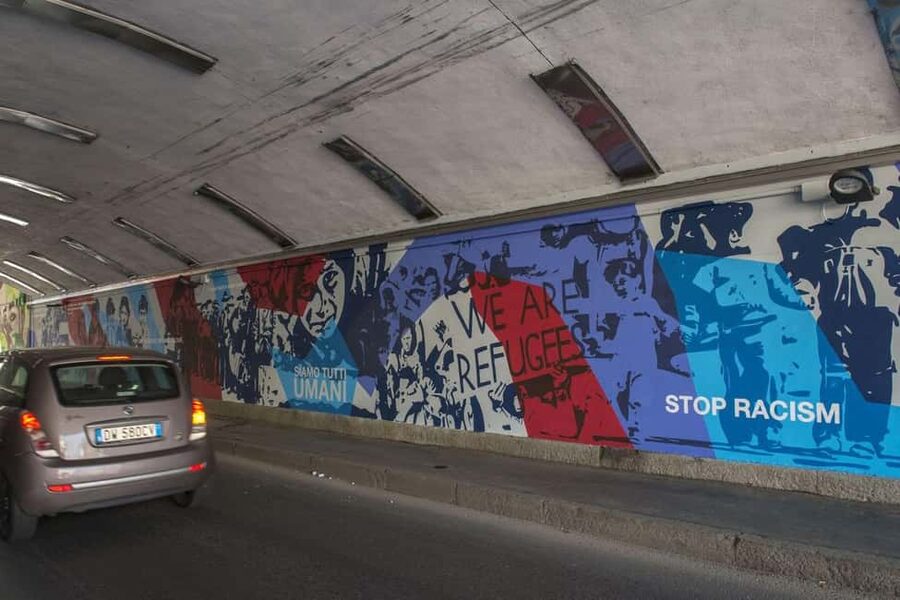
The route includes a 10-minute photo stop in Ortica, followed by about 10 minutes of free time. These pauses are welcome after the first sustained explanation.
During the photo stop, you can frame the murals without having to listen and photograph at the same time. Photography is encouraged, but you are asked to respect the artwork and the neighborhood. That means staying aware of entrances, sidewalks, residents, and the fact that this is a lived-in district rather than a closed gallery.
The 10-minute free period gives you a modest chance to look again at a favorite wall or take a few extra pictures. It is not long enough for a separate coffee break or a relaxed wander across the district, and food and drinks are not included. Think of it as breathing room within the route, not an independent stop.
This split between guided time and personal time works well for people who like both structure and flexibility. You receive the background first, then a chance to absorb the work at your own pace. If photography is your main goal, keep your camera or phone ready throughout the walk rather than relying only on this pause.
More street art tours worth booking in Italy:
- Naples Spanish Quarters Walking Tour Street Art, Folklore & Sweet
★ 5.0 · 797 reviews - Naples: Spanish Quarters Folk Street Art w/ Sweets Tasting
★ 4.9 · 788 reviews - Graffiti art tour in Rome
★ 5.0 · 714 reviews - Naples: Street Art, Wine and Food Tasting Walking Tour
★ 5.0 · 163 reviews
The final guided sections and viewpoint
After the central Ortica stop, the tour continues with roughly 20 minutes of guided explanation, another 10-minute guided section, and a final 10-minute photo stop at a viewpoint. The itinerary does not specify the exact name or height of the viewpoint, so do not book this expecting a famous Milan skyline lookout.
The value of the final viewpoint is likely more local than monumental. It gives you another way to see the district after hearing its stories. By this stage, you should have a clearer sense of how the murals fit into the streets around them rather than appearing as isolated works.
The second half also helps avoid a common problem with short art walks: seeing a few walls, hearing a quick explanation, and heading back. Here, the additional guided sections return to the art, the community, and the effect of the Or.Me. Project. The tour’s central idea is that public art can make a place more visible and encourage cultural change.
The full schedule adds up to two hours. That is enough time for a focused introduction, several major works, photographs, and a final look across the area. It is not enough time to cover every corner of Ortica or every mural in detail. The limited scope is the tradeoff for keeping the experience manageable and easy to fit into a Milan day.
What the Or.Me. Project adds to the experience
The Or.Me. Project gives this tour a clear center. Without it, a street-art walk could become a series of disconnected walls. With it, the murals form a shared record of Milan.
The project involves local residents, which gives the works a community angle. You are not only looking at images selected for tourists. You are seeing a public story shaped with the people who live in the area.
The subjects also make the route varied in tone. Workers connect the murals to labor and industry. Musicians add a cultural note. Partisans and activists bring political memory into the streets. Feminist figures widen the story beyond the usual list of famous men. The mix lets the guide show how a city remembers itself through many kinds of people.
I like this approach because it gives you a way to read public art. Instead of asking only if a mural is attractive, you can ask who is represented, who is missing, and why the image appears on that particular wall. Those questions make the walk useful even if you already know a little about graffiti or mural painting.
The project also explains why Ortica is described as Milan’s first open-air museum district. The phrase is not just about having art outdoors. It reflects the idea that the streets themselves carry the collection, and that the neighborhood’s identity is part of what you are visiting.
Is $49 a fair price?
At $49 per person, this is not Milan’s cheapest way to see murals. You are paying for a two-hour guided walk, an English-speaking local guide, a group capped at eight, and interpretation of the district’s art and social story.
The price makes more sense if you would otherwise walk through Ortica without knowing what the murals represent. A self-guided visit can show you the colors and scale of the walls, but it may not explain the people, movements, and local memories behind them. The guide is the main part of the value.
The small group also matters. You are not paying for a giant group with a guide speaking over traffic. A limited group can make it easier to hear, ask questions, and pause for photographs. The value is weaker if you only want a quick series of picture stops or plan to explore many more buildings on your own.
One recent participant enjoyed the tour but wanted more street-art buildings. That is a useful warning. The experience is best understood as a guided introduction to Ortica and the Or.Me. Project, not as a complete catalogue of the district’s art.
Who will enjoy this tour most?
I would recommend it to visitors who have already seen central Milan and want a different side of the city. It suits anyone interested in public art, urban change, local identity, social history, or photography.
It is also a good fit if you prefer a small walking group. The two-hour length makes it easy to place before or after another Milan activity, though you should allow extra time for getting to Argonne and continuing to your next stop.
Families and mixed-age groups may appreciate the clear visual focus, though the amount of historical and cultural explanation depends on the guide and the questions asked. Art students, photographers, and people who enjoy seeing cities away from their famous center will get the most from it.
You may want to skip it if your only goal is to photograph the largest possible number of murals. The route includes selected works, planned explanations, and pauses. It is not built around covering every street as quickly as possible.
The tour is listed as wheelchair accessible. Comfortable shoes remain important because the experience takes place on foot, and the operator advises checking the weather and dressing for the conditions. Bad weather may lead to rescheduling, so keep some flexibility in your Milan plans.
Book Ortica if you want art with a local point of view
Book this tour if you want Milanese street art explained through the people and events it represents. The small group, two-hour format, and guides such as Lucy and Luca give it a personal scale, while the Or.Me. Project provides a clear reason to visit Ortica.
Skip it if you want a long, free-form mural hunt with no fixed route. For everyone else, $49 is a reasonable price for a focused introduction to a district that many first-time visitors miss. You will leave with more than photographs: you will understand how a neighborhood used walls to tell its story and rethink its future.
FAQ
Where does the Ortica street-art tour begin?
The meeting point is outside Argonne metro station on Line 4. Your guide will be there with the agency logo.
How long does the tour last?
The walking tour lasts two hours. It includes guided sections, photo stops, and a short period of free time in Ortica.
What language is the tour offered in?
The live tour guide speaks English.
How many people can join the group?
The group is limited to eight participants.
Is transportation included?
No. Transportation to and from the activity is not included, so you must make your own way to Argonne and continue independently after the tour.
What should I wear and bring?
Wear comfortable walking shoes, check the weather forecast, and dress appropriately. Photography is encouraged, but you should respect the artwork and the neighborhood.
New street art tours in Italy
- Torpignattara Photo Tour: melting pot, street art and politics★ 5.0 · 5 reviews
- Art & Craft: Beer Tour with Street Art in Rome★ 4.5 · 6 reviews
- Street Art of Spanish Quarters and Maradona Tour★ 3.5 · 3 reviews
- The Spanish Quarters, Street Art and Local Market Tour in Naples★ 5.0 · 23 reviews
- Naples Murals Catacombs and Folklore Sanità District Tour★ 4.5 · 5 reviews
- Private Street Art Tour: Exploring Milan’s Hype Neighborhoods★ 5.0 · 2 reviews
- Street Art&Urban Vibes in Milan’s Most Exciting Rising Areas★ 4.4 · 5 reviews
- Spanish Streets – Maradona Street Art & Murals★ 5.0 · 3 reviews
Street Art Museums and Galleries, side by side.
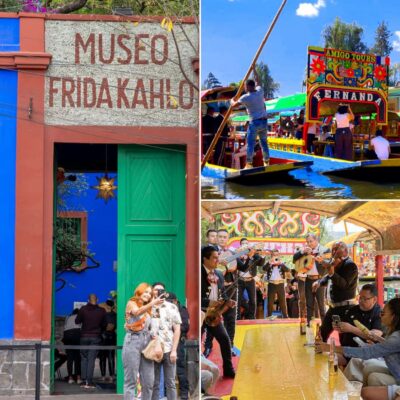
Xochimilco, Coyoacan, Frida Kahlo Museum & Murals Tour
Read our review →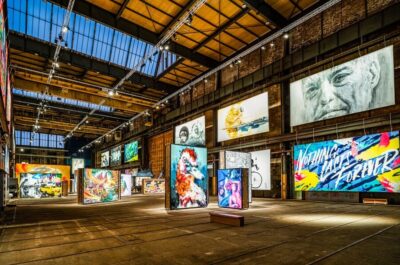
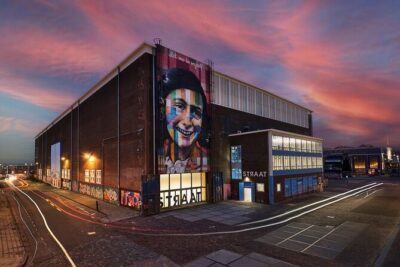
STRAAT Museum – Museum for Street Art Amsterdam Admission Ticket
Read our review →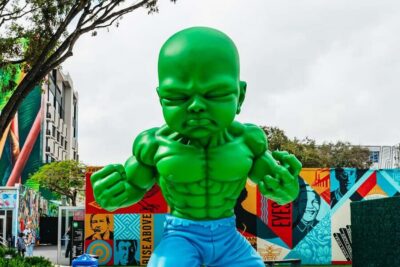
Wynwood Walls, Galleries, and Murals Guided Tour
Read our review →
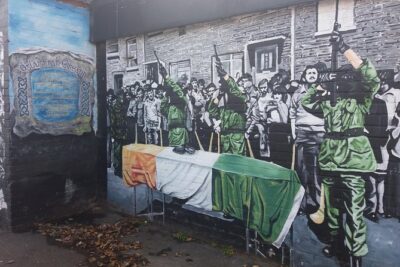
IRA Troubles Conflict Private Tour Museum Graves Murals and Political Analysis
Read our review →
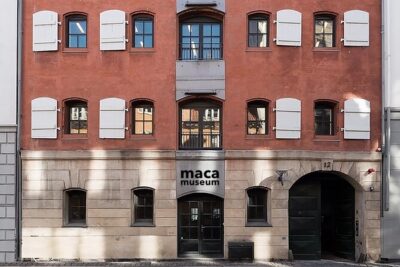
MACA Museum ‘Banksy & Street Art: The Early Years’ Art Exhibition
Read our review →Lists this wall walk turns up in