Reviewed · MURAL TOURS
Street Art in Depth 4 days in Casablanca and Rabat
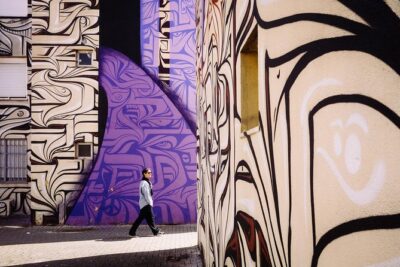
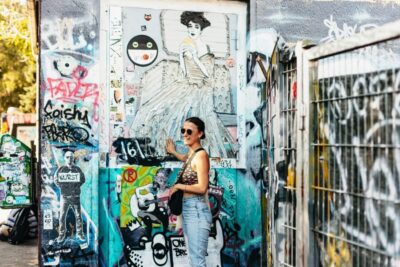
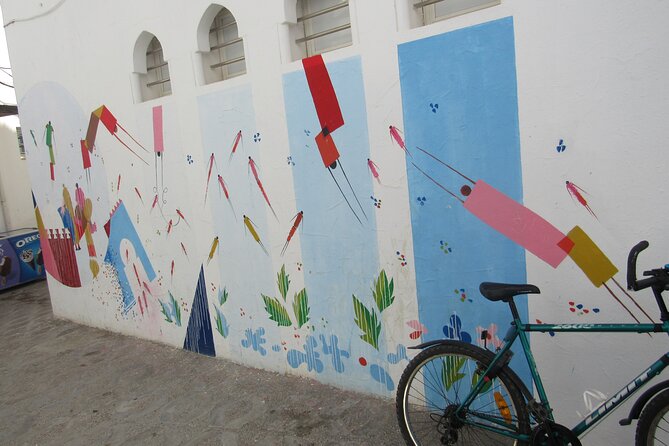
The best part of this four-day trip is that it takes you behind the murals. In Casablanca, you meet a member of the Sbagha Bagha team and a resident artist. In Rabat, you connect with the Jidar Festival team and learn how artists are chosen and how large walls in the medina become public art. This is not just a mural photo stop. It is a look at the people and planning behind the paint.
I like two things in particular. First, the tour joins street art with classic Moroccan city sightseeing, so you are not forced to choose between contemporary culture and famous landmarks. Second, Susan and Hicham, the people associated with the experience, take time to discuss your interests and shape the days around what you want to see. The private format also means your group is not tied to strangers.
The main drawback is the price: $1,862.22 per person is a serious outlay for four days, especially since lunch, dinner, drinks, tips, and personal purchases are extra. The schedule also gives you only a short taste of each city, so this works best as a focused art trip rather than a full Morocco tour.
Key points at a glance
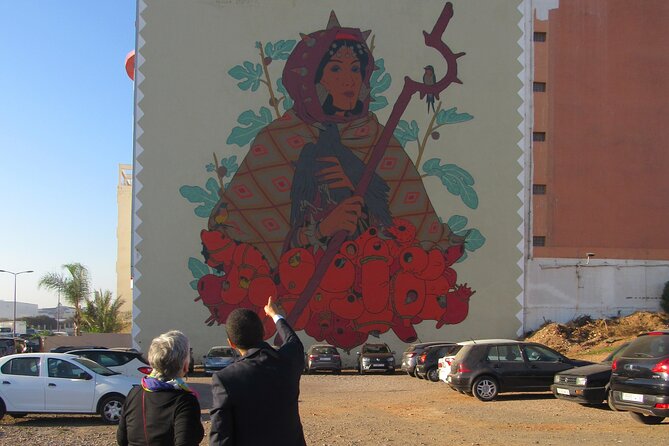
- Meet the people behind Sbagha Bagha: Learn how Casablanca’s street art festival supports artists and brings murals to city walls.
- See Casablanca beyond the postcard: Pair mural hunting with Place Mohammed V, the Grand Theater, Quartier Habous, Ain Diab, and the Hassan II Mosque.
- Visit Rabat’s Jidar Festival team: Hear how artists are selected and how work takes shape on the old medina walls.
- Use private transportation between art sites: A car tour in Rabat helps you reach murals spread across the city.
- Stay in a hotel or riad for three nights: Breakfast and transportation are included, with an English-speaking driver throughout.
- Travel as your own group: This is a private activity, with pickup offered and a start time of 8:00 a.m.
Why this street art trip feels different
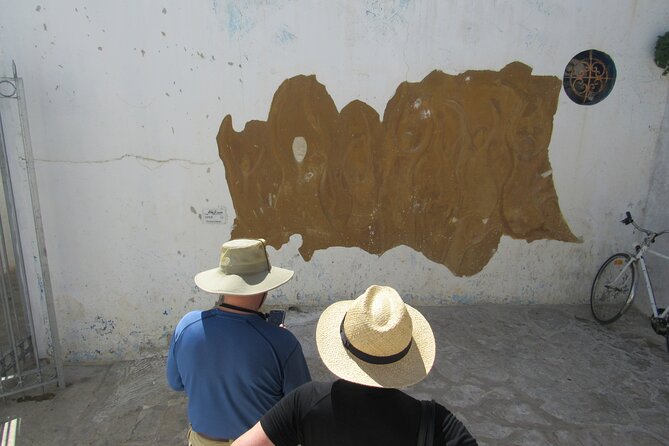
Street art can be easy to treat as decoration. You stop, take a photograph, and move on. This experience gives the work a human frame. You see the walls, but you also learn how a festival gathers artists, supports them while they paint, and decides where large works belong.
That matters in Morocco, where old medina walls, French-colonial buildings, modern districts, and working city streets sit close together. A mural can change how you read a neighborhood. It may speak to local concerns, identity, memory, or the changing face of the city. The tour is built around that connection.
You also get access that a standard city walk may not provide. In Casablanca, a resident artist shows you painted walls in the old medina and elsewhere in the city. In Rabat, meetings with the Jidar team give you a closer look at the festival’s working process. The emphasis is not on rushing from one famous sight to another. It is on seeing how public art becomes part of daily life.
The tone appears personal rather than rigid. Susan and Hicham are described as taking time to discuss your plans, likes, and dislikes before or during the trip. That is useful for a private tour, because street art interests vary widely. You may want artist meetings and lesser-known walls, while someone else in your group may need more time at Casablanca’s major sights.
More walls worth seeing around the world:
- Medellin: Comuna 13 Graffiti Tour, Cable Car & Street Food
★ 4.8 · 9,046 reviews - CDMX: Xochimilco, Coyoacan, Frida Kahlo Museum & Murals Tour
★ 4.4 · 3,025 reviews - Amsterdam: Streetart Museum STRAAT Entrance Ticket
★ 4.8 · 2,137 reviews
Day one in Casablanca, meeting the Sbagha Bagha team
Your first day gives you four hours in Casablanca with a strong focus on the Sbagha Bagha festival. You learn what it takes to organize a public art event and support artists as they spend days painting across the city.
That behind-the-scenes angle is the real reason to value this opening session. Large murals need more than paint and a blank wall. They require artist selection, planning, local coordination, transport, time, and a place where the finished work makes sense. You get a chance to ask about that process directly.
A member of the festival team joins the visit, along with a resident artist who knows Casablanca’s painted corners. The guide can point out walls you might miss on your own, including work in the old medina and across the wider city. You will likely spend part of the time walking, so comfortable shoes are sensible, though the provided information does not specify the exact amount of walking.
This is a good first day because it sets up the rest of the trip. Instead of seeing murals as isolated images, you begin to understand the festival system behind them. You also get an early feel for Casablanca before the broader city tour on day two.
The four-hour length keeps the day manageable, but it also limits how many neighborhoods you can cover. If you want an exhaustive survey of Casablanca’s street art, you may find the schedule too short. The benefit is a focused introduction without using the entire day on one theme.
Day two in Casablanca, from Place Mohammed V to the Hassan II Mosque
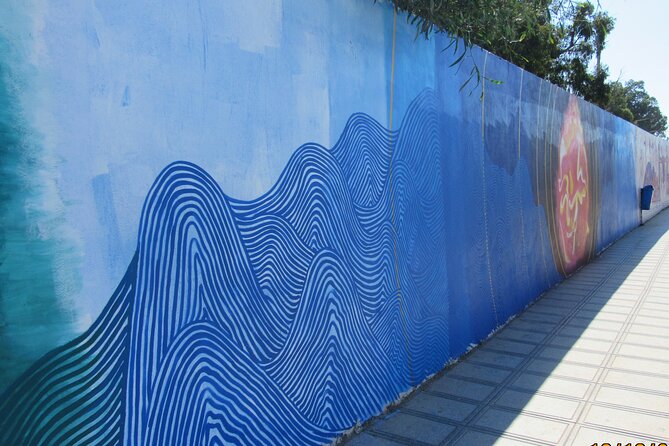
The second Casablanca day lasts about five hours and adds the city’s major sights to the art-focused program. Casablanca is Morocco’s largest and most populous city, as well as its main economic and industrial center. It feels more cosmopolitan than many other Moroccan destinations, with Western clothing and modern city life more visible.
You visit Place Mohammed V and the Grand Theater de Casablanca, then see examples of the city’s Moresque architecture. This style blends French-colonial planning and Moroccan design, and it is especially visible downtown, in Quartier Habous, and around Ain Diab.
That architectural mix gives the street art a useful setting. Casablanca is not one single visual story. Its old medina, modern streets, planned colonial-era districts, and coastal areas each offer a different backdrop. A mural may feel entirely different depending on the wall and neighborhood around it.
The Hassan II Mosque is the major landmark on this day. Its seaside position and tall minaret make it one of Casablanca’s defining sights. The information provided describes the minaret as the world’s tallest. Even if your main interest is contemporary art, the mosque helps anchor you in the city’s broader visual culture.
The balance here is sensible. You get a classic Casablanca day without abandoning the subject that brought you to the tour. Still, do not expect a full guided visit to every major attraction. The schedule combines several parts of the city in five hours, so the experience is better for orientation and selected stops than for long, detailed museum visits.
Day three in Rabat, learning how Jidar works
After Casablanca, you travel to Rabat for two more days. The tour uses private transportation and an English-speaking driver, which is especially helpful when your interests are spread across separate mural sites.
The third day focuses on the Jidar Festival team. You learn how artists are selected and how they work on the large old walls of the medina. This is another valuable shift from simply viewing finished art to understanding the decisions behind it.
Rabat is Morocco’s capital, and this part of the tour gives you a different city setting from Casablanca. The old medina walls bring a historic urban frame to large contemporary works. That contrast is one of the strongest reasons to include both cities. Casablanca offers a major commercial and coastal setting, while Rabat adds the capital and medina context.
The day is scheduled for about five hours. You should expect a mixture of meeting festival contacts, learning about the art program, and visiting mural locations. The exact artist names, mural addresses, and meeting times are not provided, so ask for a detailed day plan before departure if you want to follow particular artists or works.
This is also the point where the private format matters most. You can ask how an artist is chosen, why a wall was selected, or how local surroundings affect the work. On a large group tour, those questions might be lost in the shuffle. Here, the experience is designed around access and conversation.
More street art tours worth booking in the world:
- Belfast: Murals Taxi Tour
★ 4.9 · 2,047 reviews - Wynwood Graffiti Golf Cart Small-Group Tour
★ 5.0 · 1,646 reviews - London: Street Art and Graffiti Guided Walking Tour
★ 4.9 · 1,354 reviews - Lisbon: Street Art Tour
★ 4.9 · 1,324 reviews
Day four in Rabat, seeing murals across the city
The final day uses a car to visit outstanding street art murals around Rabat. The goal is to help you see the city as a mix of old and modern, with painted walls spread beyond one central stop.
This is practical. Street art is often scattered, and a car saves time compared with trying to connect distant sites by public transport. The driver also helps you spend more of the five-hour session looking at art rather than figuring out how to get from one wall to the next.
You will have the chance to compare different parts of Rabat and see how murals fit into the city’s changing character. The day is less about one landmark and more about building a full impression of Rabat’s public art scene.
The wording of the program suggests that evenings are spent at your riad. Three nights of hotel or riad accommodation are included, along with breakfast. A riad can make the trip feel more connected to Moroccan lodging traditions, but the exact property, room setup, and location are not specified. Confirm those details before booking if your choice of accommodation is important.
What the $1,862.22 price includes
At $1,862.22 per person, this is not a budget city break. The price needs to be judged against what is included: three nights of accommodation, daily breakfast, transportation, an English-speaking driver, festival contacts, artist meetings, city tours, and private participation for your own group.
The artist access is the most unusual part of the value. Ordinary sightseeing tours can show you Casablanca and Rabat, but they do not always explain how a street art festival operates or put you in contact with the teams responsible for it. If those meetings are central to your interests, the price is easier to justify.
Transportation also adds value. You move from Casablanca to Rabat and visit mural sites that may be spread around each city. Having a driver removes much of the planning work. Pickup is offered, though the exact pickup location is not stated.
The price is harder to defend if you mainly want a general Morocco vacation. Lunches, dinners, drinks, tips, and personal purchases are not included, and four days is a short period for the amount spent. You may get better value by choosing this only when street art and festival access are the main point of your visit.
Ask about the accommodation category, exact pickup arrangements, and what happens if a particular artist or festival contact is unavailable. Those details can affect the value more than a small difference in price.
Meals, mornings, and the practical rhythm
The tour starts at 8:00 a.m. That early beginning helps you make use of each five-hour touring day, but it may feel brisk if you prefer slow mornings. Breakfast is included, with the inclusion details listing four breakfasts, while the stay is described as three nights. Confirm the breakfast count and serving arrangements when you book.
Lunch and dinner are at your leisure. This gives you control over spending and food choices, but you need to budget for both meals. Drinks and tips are also extra.
Because the tour is private, you can use free time to rest or ask for a slower pace, within the planned schedule. The information does not promise a specific number of walking breaks or meal stops, so discuss your needs with the provider.
The experience is listed as suitable for most travelers, and it is near public transportation. It is also described as a private activity, with only your group taking part. No special accessibility details are provided, so ask directly if you need information about stairs, medina surfaces, vehicle access, or walking distances.
Who should book this experience?
I would recommend it most strongly to someone who already knows that street art is a major travel interest. You will get far more from the trip if you enjoy asking how festivals work, why artists paint certain walls, and how public art changes a neighborhood.
It also suits first-time visitors who want a guided introduction to Casablanca and Rabat without joining a large group. The combination of a driver, accommodation, breakfasts, city touring, and local festival contacts keeps the logistics fairly simple.
This is a good fit for couples, friends, or families who want a private schedule. It may also work for photographers and design-minded travelers, although the tour does not promise special photography instruction or guaranteed access to specific works.
I would hesitate to recommend it to someone looking for Morocco’s major historic monuments, desert scenery, or a broad route through the country. The trip stays focused on two cities and one subject. You will see important landmarks, but street art remains the center of gravity.
Should you book the Casablanca and Rabat street art tour?
Book it if you want the people and process behind Moroccan murals, not just a collection of photographs. The meetings with Sbagha Bagha and Jidar teams, the resident artist in Casablanca, and the private vehicle between mural sites give the experience a clear purpose.
Think twice if the price feels high for four days or if you need a fuller Morocco itinerary. Meals and personal costs add up, and the exact hotel or riad details are not given. Before paying, confirm the accommodation, daily schedule, pickup point, and which festival contacts will be available.
For the right traveler, this is a distinctive way to see Casablanca and Rabat. You get classic sights, contemporary walls, and direct contact with the people helping Morocco’s street art scene grow.
FAQ
How long does the experience last?
The experience lasts approximately four days.
Where does the tour take place?
The tour takes place in Casablanca and Rabat, Morocco.
What time does the tour start?
The stated start time is 8:00 a.m.
Is transportation included?
Yes. Transportation is included, along with an English-speaking driver. The tour also includes transport between Casablanca and Rabat and car touring for mural visits in Rabat.
Are hotel or riad stays included?
Yes. Three nights in a hotel or riad are included.
Is breakfast included?
Yes. Daily breakfast is included, with the inclusion details listing four breakfasts.
Will I meet street artists or festival teams?
Yes. The Casablanca program includes a member of the Sbagha Bagha team and a resident artist. In Rabat, you meet the Jidar Festival team.
Is this a private tour?
Yes. Only your group participates in the activity.
Are lunch and dinner included?
No. Lunch and dinner are at your leisure and are not included. Drinks, tips, and personal purchases are also excluded.
Can I cancel for a full refund?
Yes, if you cancel at least 24 hours before the experience start time. Cancellations made less than 24 hours in advance are not refunded, and the experience requires a minimum number of participants.
New street art tours in the world
- Your Own Belgrade: Street Art and Hidden Gems Walking Tour★ 5.0 · 2 reviews
- Wynwood Walls Street Art & Neighborhood Walking Tour★ 4.9 · 9 reviews
- Xochimilco floating gardens, Coyoacan and UNAM murals★ 4.0 · 6 reviews
- Vancouver: Street Art & Craft Beer Walking Tour with Tasting★ 4.8 · 14 reviews
- Vancouver: Street Art & Craft Coffee Walking Tour w/ Tasting★ 4.8 · 11 reviews
- Zagreb Street Art Private Walking Tour with a Local Artist★ 5.0 · 12 reviews
- UNAM: Murals & Revolution★ 4.9 · 8 reviews
- Urban Canvas: Osaka Street Art Bike Tour★ 5.0 · 10 reviews
Mural Tours, side by side.
Comuna 13 Graffiti Tour, Cable Car & Street Food
Read our review →
Xochimilco, Coyoacan, Frida Kahlo Museum & Murals Tour
Read our review →