
Reviewed · STREET ART WALKING TOURS
Bangkok: Chinatown & Taladnoi Street Art Guided Walking Tour
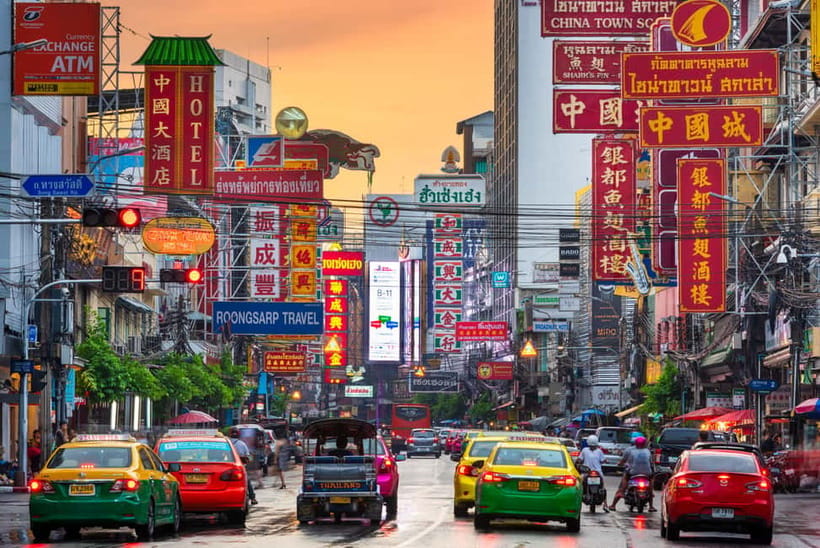
Bangkok’s Chinatown is at its best away from the big road, where shrines squeeze between old shop houses and metalworking alleys open onto scraps of street art. This walk takes you from Wat Mangkon to Talad Noi, linking Chinese temples, a local market, charitable institutions, and the Chao Phraya River.
I like the way the route connects Thai-Chinese immigration and trade with places you could easily pass without noticing. I also like the human touch: guides such as Jenny, Nok, Mai, Jib, and Mariyah have been praised for clear explanations, patience, good English, and the ability to adjust the walk to personal interests.
The main catch is simple: this is a four-hour walk in Bangkok heat, with no meal included. You need comfortable shoes, sun protection, and enough stamina for temples, market lanes, busy streets, and the long route toward Talad Noi.
Key points at a glance
- Start at Wat Mangkon MRT station: Meet at Exit 3 and step straight into the heart of Yaowarat.
- See the Golden Buddha story: Learn why Wat Traimit’s famous image became one of Bangkok’s best-known religious treasures.
- Walk through real working neighborhoods: Markets, shrines, old buildings, and ironworks alleys give the route a local feel.
- Meet the past at Tian Fah Foundation Hospital: This early Chinese charitable hospital adds a social side to Chinatown’s story.
- Finish beside the Chao Phraya: River City Bangkok is useful for lunch, galleries, or a boat ride after the walk.
- Expect an adaptable guide: Jenny, Nok, Mai, Jib, and other guides are noted for warmth, patience, and flexible pacing.
Why this Chinatown walk is more than a food stop
Many first visits to Yaowarat focus on neon signs, gold shops, and eating along the main road. Those are part of Chinatown, but they tell only a small piece of the story. This tour moves through the streets behind the obvious sights, where Chinese religious life, family businesses, charities, and old craft trades still shape the area.
The guide helps you read the neighborhood. A shrine is not just a colorful doorway. A market is not only a place to buy food. An old alley may point to a trade that supported generations of Chinese migrants in Bangkok. That context makes the walk worthwhile, especially if you prefer a city tour that explains how a district works.
The price is $19 per person for four hours, including an English-speaking licensed guide and a bottle of water. That is a strong deal for Bangkok, provided you want a walking tour rather than a relaxed sightseeing ride. You are paying for local interpretation and route planning, not for meals or entry to a packaged attraction.
The guide quality matters a lot here. Several guides receive specific praise for warmth and clear explanations. Jenny is described as patient and friendly with families, while Nok is praised for explaining Thai-Chinese culture, trade, commerce, and immigration. Mai has adjusted the route to personal interests, and Jib has been noted for her polite manner and detailed temple explanations.
More Street Art Walking Tours in the world:
- London: Street Art and Graffiti Guided Walking Tour
★ 4.9 · 1,354 reviews - Berlin: City Street Art Guided Walking Tour
★ 4.8 · 1,051 reviews - Naples Spanish Quarters Walking Tour Street Art, Folklore & Sweet
★ 5.0 · 797 reviews
Meeting at Wat Mangkon and entering Yaowarat
The standard meeting point is MRT Wat Mangkon Exit 3. This is a practical start because you avoid wasting time finding one another in the maze of Chinatown streets. If you choose hotel pickup, you need to wait in the lobby at least five minutes before the scheduled time. Pickup costs extra, and one recorded experience included a long delay caused by a failed pickup, so the MRT option is the safer choice if you value a prompt start.
From the station, the route takes you into Yaowarat, Bangkok’s Chinatown. The neighborhood changes quickly from modern transit access to narrow lanes, temples, shop fronts, incense, and market activity. The first part lasts about two and a half hours, with walking, sightseeing, photo stops, and guided visits.
Wear light clothing and bring a hat. Bangkok’s heat becomes more noticeable when you are moving slowly through crowded lanes or pausing outside temples. A bottle of water is supplied, but I would still carry extra water if you tire easily.
Wat Mangkon Kamalawat and the morning market
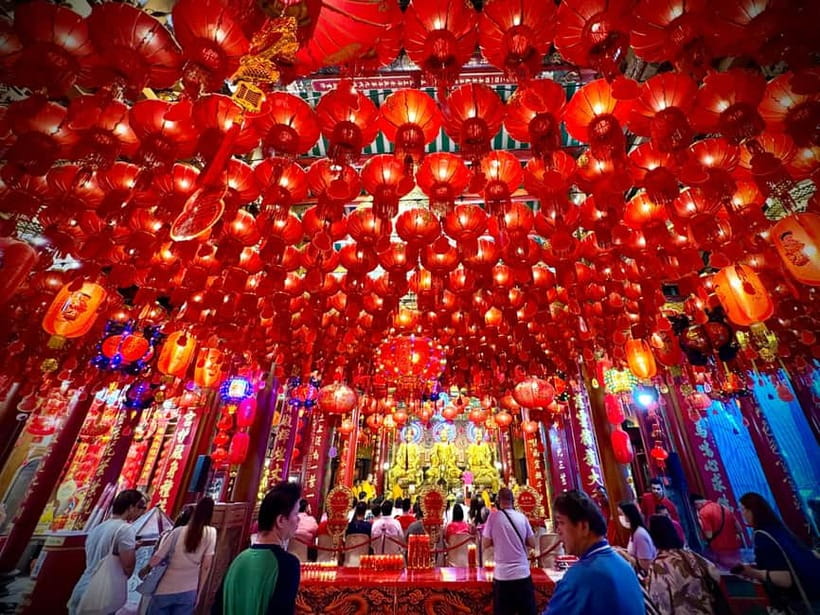
Wat Mangkon Kamalawat is one of the major Chinese Buddhist temples in Bangkok. The temple gives you an immediate sense of the religious side of Yaowarat, with incense, shrines, and a steady flow of local worshippers.
Your guide explains what you are seeing rather than leaving you to guess. That is useful in a temple where several images, offerings, and ritual spaces may look similar at first. You can pay attention to how Chinese religious traditions fit within daily life in Thailand, not just take a few photographs and move on.
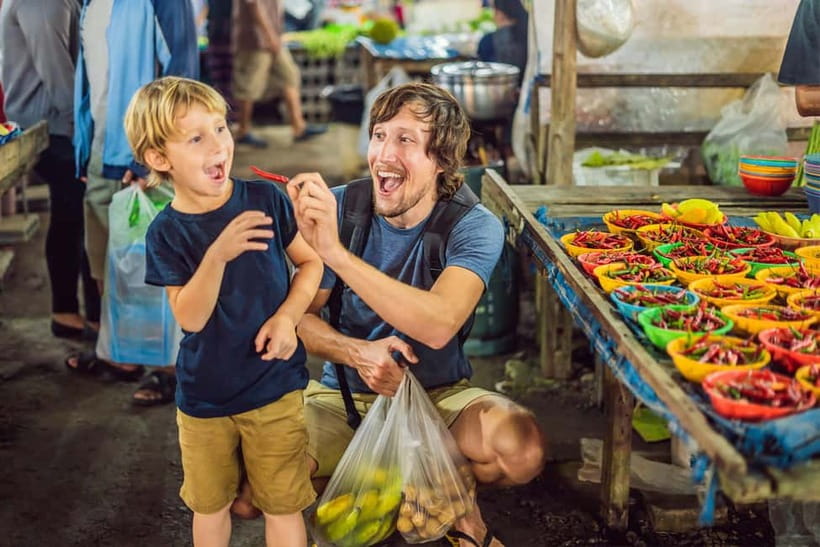
After the temple, the route passes through a lively morning market. This is one of the strongest parts of the walk for anyone who wants ordinary street life. You will see food, incense, shop activity, and the practical business of local residents buying and selling.
The market is not presented as a formal tasting tour. Meals are not included, and food purchases are personal expenses. That keeps the price low, but it also means you should not book this experience expecting a full breakfast or a planned food crawl. You can ask your guide for suggestions, but the central focus is the neighborhood and its history.
Tian Fah Foundation Hospital and the Golden Buddha
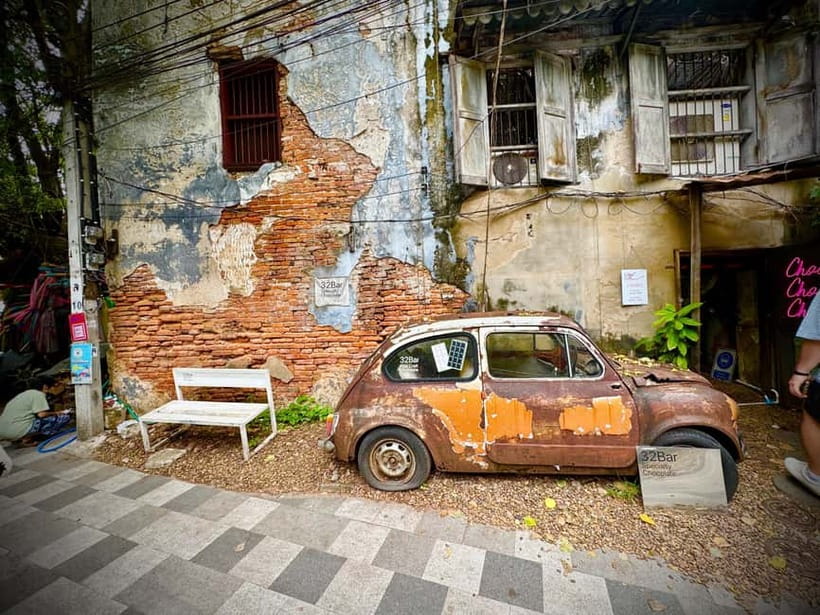
The Tian Fah Foundation Hospital adds an important civic note to the tour. It was Thailand’s first Chinese charitable hospital, linking Chinatown to the charitable networks created by Chinese communities in Bangkok.
This stop helps explain that immigration was not only about shops and trade. Communities also built institutions to care for people, support worship, and organize daily life. I find this kind of stop especially useful because it puts a human face on the district’s development.
The tour also tells the story of the Golden Buddha at Wat Traimit. The image is famous, but the story behind it is what makes the stop memorable. Your guide explains how the Buddha became associated with one of Bangkok’s most intriguing discoveries.
The itinerary lists the Golden Buddha as part of the Chinatown sightseeing section, but exact entry arrangements are not specified. Treat it as a guided look at the site and its story rather than assuming every ticket or interior visit is included. If entering a particular temple is essential to you, confirm the details when booking.
More guided art walks in the world:
- Palermo: Graffiti and Street Art Guided Tour in English
★ 4.8 · 684 reviews - Glasgow: Street Art Guided Walking Tour
★ 4.8 · 385 reviews - Dresden: Neustadt District Street Art Guided Walking Tour
★ 4.3 · 333 reviews - 3-Hour Guided Street Art Walking Tour of Lisbon
★ 5.0 · 278 reviews
Wat Pathum Khongkha and a quieter side of the city
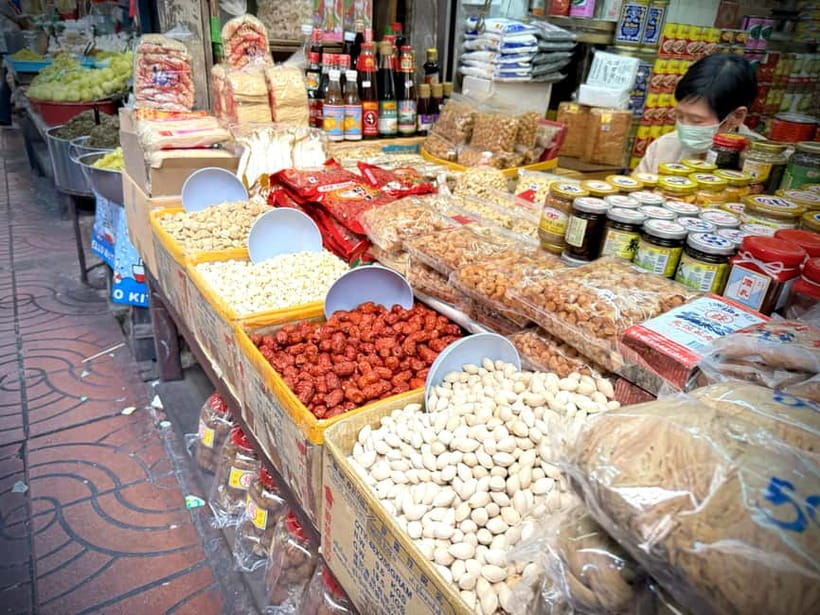
Wat Pathum Khongkha offers a change of pace. After the market and busy Chinatown streets, this temple feels more peaceful and connected to Bangkok’s royal past.
The value here is contrast. You see how quickly the city can shift from commerce and traffic to a calm religious space. The guide can connect the temple to the wider story of Bangkok, giving the walk a better rhythm than a straight march from one crowded street to another.
This is also a good point to remember that the tour is not built around headline attractions alone. Some stops are valuable because they provide context and breathing room. If you want only the most famous sights, you may find the quieter sections less exciting. If you like seeing how a city changes from block to block, they are a strength.
Talad Noi and the old ironworks lanes
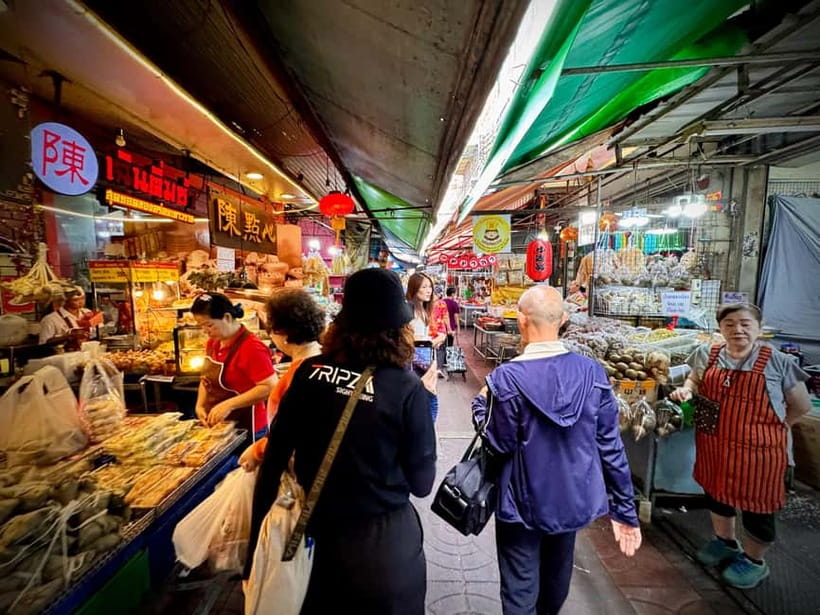
The walk continues into Talad Noi, a historic neighborhood beside the river. Here, the focus shifts toward Chinese craftsmanship, workshops, old buildings, and narrow lanes.
Talad Noi’s ironworks alleys are a particularly distinctive detail. Chinese craftsmen once forged metal tools here, and the old working character remains part of the area’s identity. This is not polished sightseeing. You are walking through a neighborhood shaped by labor, small businesses, and long family connections.
The contrast with Yaowarat is one reason the route works well. Chinatown gives you temples, market life, charitable institutions, and commercial energy. Talad Noi gives you craft, backstreet art, shrines, and a slower riverside setting.
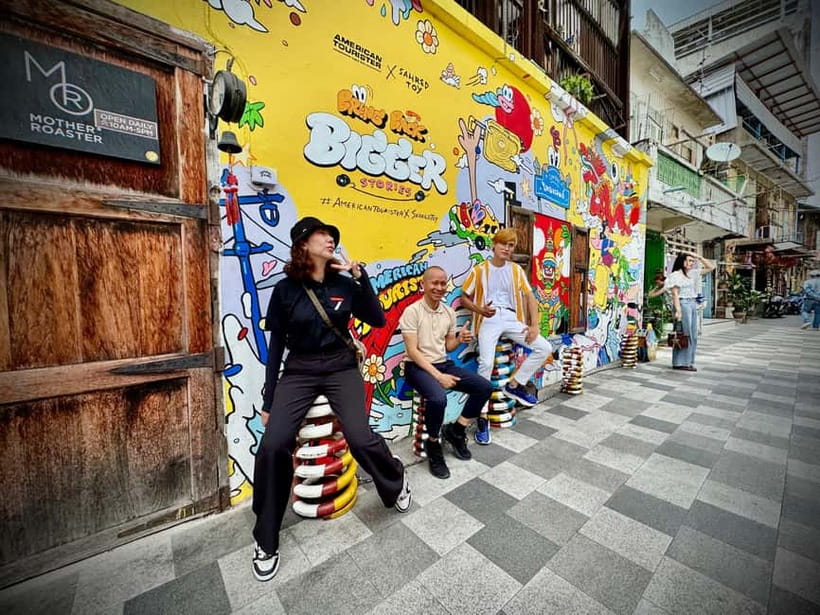
Street art is another part of the Talad Noi section. Colorful paintings appear among old walls and buildings, adding a modern layer to the district. The art is not treated as a separate gallery visit. Instead, it becomes part of the walk, discovered as you move through the lanes.
Talad Noi Community Museum and local shrines
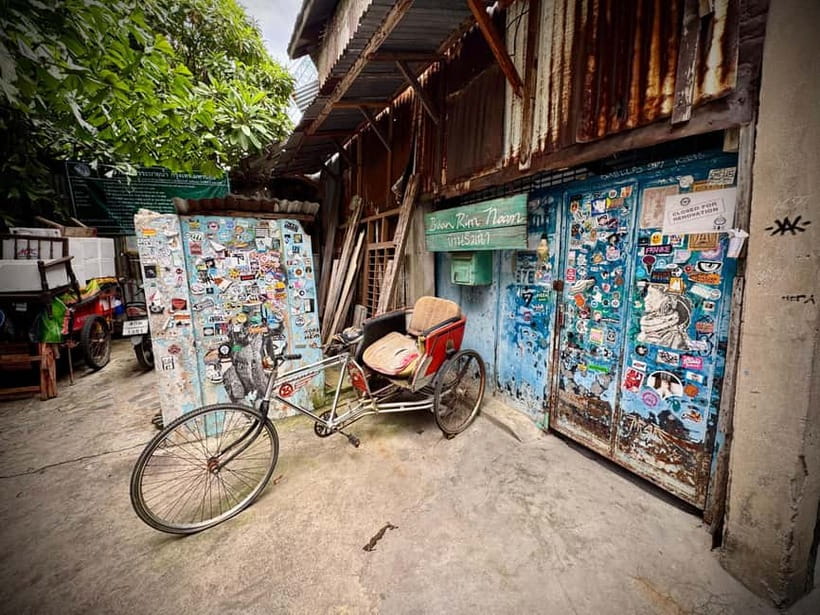
The Talad Noi Community Museum helps bring the neighborhood together. After seeing the streets, old structures, and working alleys, you have a place where the community story can be set out more clearly.
You also visit small shrines tucked between older buildings. These are easy to miss on your own, which is where a local guide earns the fee. The guide can point out what matters, explain local legends, and show how religious spaces fit into a crowded urban neighborhood.
This part of the tour depends heavily on the guide’s storytelling. The repeated praise for Jenny, Nok, Mai, and others is relevant because the route has few standard signs explaining what you are seeing. A guide who can explain immigration, commerce, family life, and belief turns an ordinary lane into a meaningful stop.
The route may also feel personal if the group is small. One person described receiving a private tour, while another had the walk adjusted to suit personal preferences. Group size can vary, so do not assume you will always have a private guide. Still, the experience appears suited to conversation rather than a large coach-style outing.
Ending at River City Bangkok
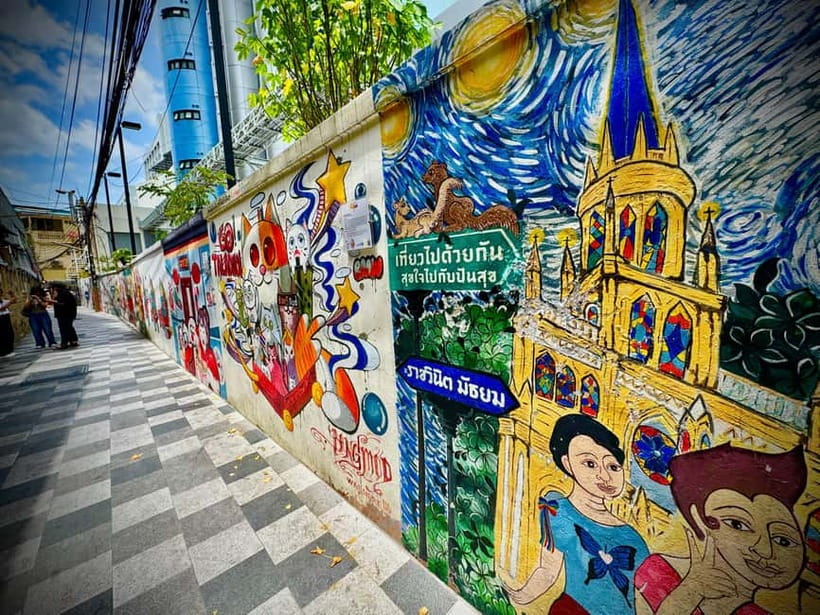
The tour ends at River City Bangkok, beside the Chao Phraya River. This is a smart finish because you are not dropped in the middle of an unfamiliar lane with no clear next step.
You can continue with your own plans from here. The information provided specifically points to a riverside lunch, further exploration, or a scenic boat ride. River City also gives you a chance to cool down and decide what you want from the rest of the day.
The ending makes this tour easy to pair with other Bangkok plans. You might continue along the river, return by public transport, or simply stop for a meal after four hours on foot. The tour does not include a meal, so plan that final pause into your day.
What the $19 price really buys
At $19, this is good value if you want local explanation and a carefully linked route. Four hours is enough time to move beyond a quick Chinatown snapshot, while the cost remains modest compared with private sightseeing tours.
The guide is the main purchase. You are not paying for lunch, transport during the walk, or a long list of included admissions. You are paying for access to places that make more sense when someone explains their purpose and history.
Hotel pickup is available as an option, but it costs extra. I would choose the MRT meeting point unless you have mobility, timing, or navigation concerns. It is direct and avoids the risk of traffic delays at the start.
Free cancellation is available up to 24 hours before the tour, and you can reserve now and pay later. Those terms help if your Bangkok schedule is still shifting.
Who should book this walk
I would recommend it to first-time visitors who want more than Yaowarat’s main road. It also suits repeat visitors who have already seen the food stalls and neon signs and now want the district’s temples, charities, craft lanes, and community stories.
Families can enjoy it, especially with a patient guide such as Jenny, though younger children need to manage four hours of walking. Couples and solo visitors should find the format easy to follow, and a flexible guide can make the walk feel more personal.
It is less suitable if you dislike heat, uneven walking, crowded markets, or long periods on your feet. The experience is not suitable for pregnant women or wheelchair users. It also may not be the right choice if you want a food tour, a private car tour, or a schedule built around major attractions only.
Guides speak English. The supplied information does not give a fixed guide assignment, so you may meet Jenny, Nok, Mai, Jib, Mariyah, or another member of the team. The strongest pattern is friendly service, clear explanations, and a willingness to adapt.
Final verdict: a smart way to read Bangkok’s old neighborhoods
Book this walk if you want Chinatown explained through temples, markets, immigration, charity, craft, and street art. The route has variety, the price is fair, and the finish beside the river gives you useful options for the rest of your day.
Skip it if four hours of walking in the heat sounds tiring or if you mainly want a meal-based tour. For everyone else, this is a practical introduction to Yaowarat and Talad Noi, with enough local detail to make Bangkok’s backstreets feel far less random.
FAQ
Where does the tour meet?
The usual meeting point is MRT Wat Mangkon Exit 3.
How long does the walking tour last?
The experience lasts four hours. About two and a half hours are allocated to Chinatown and about two and a half hours to Talad Noi in the listed route details.
Where does the tour finish?
The tour ends at River City Bangkok beside the Chao Phraya River.
Is hotel pickup available?
Yes. Hotel pickup is available as an optional paid extra. You should wait in your hotel lobby at least five minutes before the scheduled pickup time, and the guide will hold a sign with your name.
Are food and meals included?
No. Meals and personal expenses are not included. The tour does include a bottle of water.
What should I wear and bring?
Wear comfortable shoes and light clothing. Bring a hat and sunscreen, and carry water to stay hydrated.
Can I cancel the booking?
Yes. You can cancel up to 24 hours in advance for a full refund. You can also reserve now and pay later.
New street art tours in the world
- Your Own Belgrade: Street Art and Hidden Gems Walking Tour★ 5.0 · 2 reviews
- Xochimilco floating gardens, Coyoacan and UNAM murals★ 4.0 · 6 reviews
- Wynwood Walls Street Art & Neighborhood Walking Tour★ 4.9 · 9 reviews
- Vancouver: Street Art & Craft Beer Walking Tour with Tasting★ 4.8 · 14 reviews
- Vancouver: Street Art & Craft Coffee Walking Tour w/ Tasting★ 4.8 · 11 reviews
- Zagreb Street Art Private Walking Tour with a Local Artist★ 5.0 · 12 reviews
- UNAM: Murals & Revolution★ 4.9 · 8 reviews
- Urban Canvas: Osaka Street Art Bike Tour★ 5.0 · 10 reviews
Street Art Walking Tours, side by side.

Naples Spanish Quarters Walking Tour Street Art, Folklore & Sweet
Read our review →

Brooklyn Graffiti & Street Art Walking Tour in Bushwick
Read our review →

Lists this wall walk turns up in