

Reviewed · STREET ART WALKING TOURS
Maputo Street Art Private Walking Tour
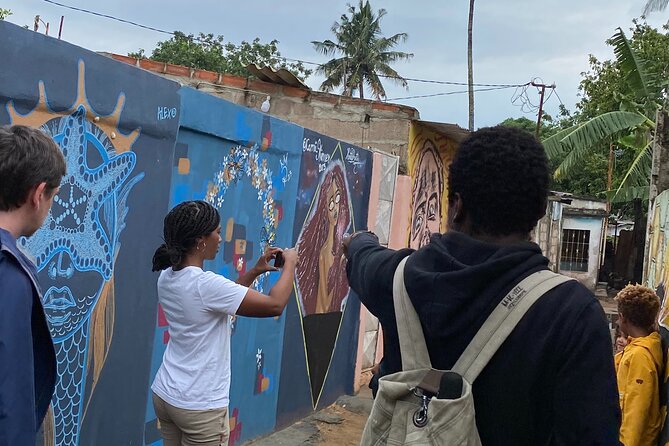
Maputo’s public art tells a different story from the city’s formal museums and central avenues. On this two-hour private walk, you visit murals, photography, and pieces made with recycled materials in a neighborhood beyond the usual sightseeing route. The art gives you a way to look at daily life, local identity, and community hopes through the work of the people who live there.
I like two things right away: your group has a private guide, so the walk can stay conversational, and your $45 fee helps fund a non-profit working in under-resourced neighborhoods. I also like the focus on artists and their stories, rather than treating the art as background scenery.
The main consideration is scope. This is one guided walking experience lasting about two hours, not a broad survey of all Maputo art. The tour also needs good weather, and its non-refundable policy makes your date worth choosing carefully.
Key points at a glance

- Art beyond central Maputo: Visit a neighborhood outside the city center, where murals and installations connect directly with local life.
- Several forms of public art: Expect murals, a photography installation, and creative work using recycled materials.
- A private two-hour outing: Only your group participates, which allows room for questions and discussion.
- Artists and local stories: Your guide explains the people behind the works and the history of the neighborhood.
- A tour with a social purpose: Proceeds support art, cultural preservation, youth, gender, and community development programs.
- Simple booking format: You receive confirmation at booking, use a mobile ticket, and can reach the area by public transportation.
Why Maputo’s street art makes a worthwhile afternoon
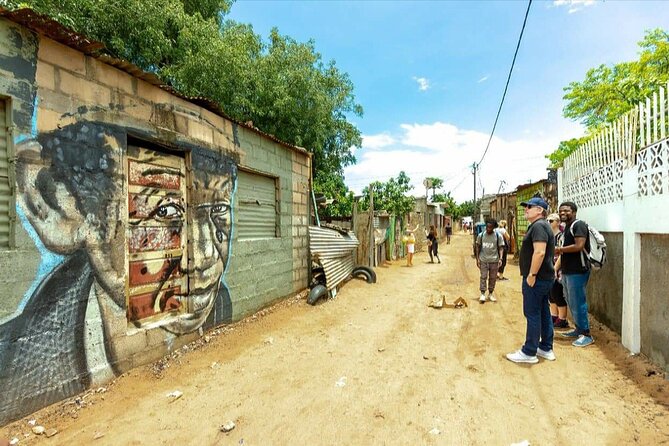
A city can reveal itself through its public art in ways a conventional sightseeing route cannot. Instead of moving from one landmark to the next, you follow a path through a neighborhood and look at how artists use walls, photographs, and discarded materials to express ideas.
That setting matters. Many art schools, galleries, funding sources, and artistic opportunities are concentrated in wealthy and central parts of provincial capitals. This tour takes you toward a community that is often left outside that circuit. You are not simply looking at finished pieces. You are seeing an effort to bring art and community programs into a place with fewer formal resources.
I find that a useful way to spend two hours in Maputo. The walk connects art with culture and history, but it also keeps your attention on present-day community life. You may find that the setting tells you as much as the artwork itself.
The tour is especially useful if you prefer local context over a packed list of sights. It does not try to cover every part of Maputo. Instead, it gives you time to focus on one neighborhood and the artists working there.
More Private Mural Tours in the world:
- Belfast: Private Black Taxi Cab Political Murals Tour
★ 4.9 · 425 reviews - 2 Hour Private Belfast Taxi Cab Tour of Troubles & Peace walls
★ 5.0 · 240 reviews - Muralist Art Semi Private Walking Tour in Mexico City Downtown
★ 5.0 · 188 reviews
Following murals through a neighborhood outside the center
The main stop is the Maputo Street Art Walking Tour, which lasts about two hours and includes admission. Your guide leads you along a route featuring public murals and other art installations, explaining the stories connected with the neighborhood and the artists behind the works.
Murals work well as a starting point because they are impossible to separate from their surroundings. You see the wall, the street, and the community around it at the same time. A gallery lets you focus on one object in a controlled room. A mural asks you to consider who sees it every day and how it changes a shared public space.
The tour is described as interactive. That means you should expect more than a quiet walk while someone recites dates. You can ask questions about the images, the artists, and the reasons public art has been placed in the area. Since this is a private activity, your group does not have to follow the pace of a large crowd.
A practical point: the available information does not provide a fixed list of mural names, exact street addresses, or a named guide. The route may therefore be best understood as a guided neighborhood experience rather than a standard monument tour with a published checklist.
The photography installation adds a different point of view
Along with murals, the route includes a photography installation. This gives the tour another visual language. Painted walls can be bold and immediate, while photography often asks you to look more closely at people, places, or moments captured in a particular frame.
Your guide highlights the meaning of the installation and connects it to the neighborhood. That connection is important. You are not being sent off to inspect an unrelated exhibit. The photography forms part of a larger walk about local expression and the way artists present community life.
Because the tour lasts around two hours, you have enough time for explanation without turning the outing into a full-day commitment. If you have limited time in Maputo, the length makes it easy to fit alongside other plans. If you want a major art collection or a long museum visit, this will feel more focused and compact.
I would approach the photography installation with an open mind. The supplied details do not identify the photographer, number of images, or exact subject matter, so you should not book expecting a particular famous work. The value comes from seeing how this installation sits within the neighborhood and hearing the guide explain it.
Recycled materials turn everyday objects into art
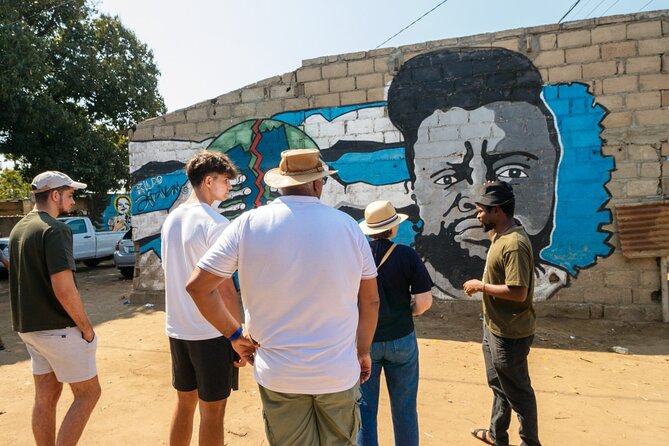
The route also includes work made from recycled materials. This is one of the most distinctive features of the experience because it shifts attention from art as something purchased and displayed to art as something built from available resources.
The choice of materials can carry practical and cultural meaning. It may show how artists work with what they have, while also giving ordinary objects a new public role. I cannot promise a specific object or installation because the tour details do not list them, but the inclusion of recycled materials signals a broader idea: creativity does not depend only on formal galleries, expensive supplies, or central institutions.
This part should appeal to you if you like contemporary art with a social edge. It also helps explain why the tour is more than a photo stop at painted walls. You are looking at different methods of expression and hearing how they fit into a local setting.
The recycled work may be less polished than art in a commercial gallery. That is not necessarily a weakness. It is part of the point. The tour places value on access, participation, and community expression rather than on a formal gallery finish.
More Street Art Walking Tours in the world:
- London: Street Art and Graffiti Guided Walking Tour
★ 4.9 · 1,354 reviews - Berlin: City Street Art Guided Walking Tour
★ 4.8 · 1,051 reviews - Naples Spanish Quarters Walking Tour Street Art, Folklore & Sweet
★ 5.0 · 797 reviews - Lisbon: Kickstart Street Art Walking Tour
★ 4.9 · 717 reviews
The guide brings the art and local stories together
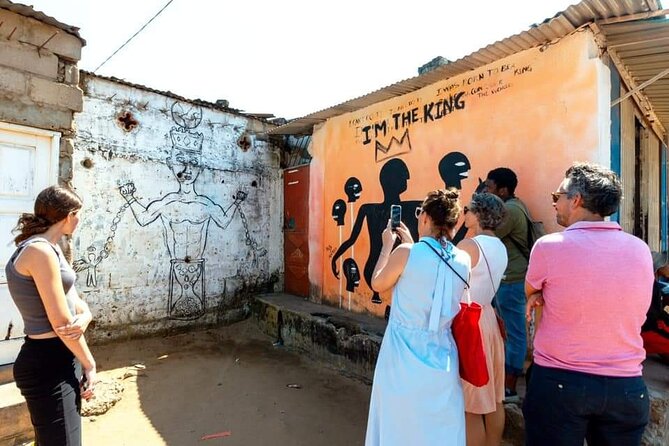
The quality of a walking art tour depends heavily on the guide. Here, the guide explains the neighborhood and points out the artists behind the pieces. One review specifically describes the guide as articulate and able to lead the group along a path of fascinating murals.
No guide name is provided, so I cannot tell you to request a particular person. Still, the format gives the guide an important role. A mural without context can be attractive but easy to forget. A story about the artist, the neighborhood, or the idea behind the work gives you a reason to look again.
This is also where the private format earns its keep. With only your group participating, you can ask for clarification and spend more time on the pieces that interest you. A private walk does not automatically guarantee a better guide, but it does remove the distractions and pace problems that can come with a large group.
The tour’s focus on artists is a strong point. You are not being shown anonymous decoration. The guide makes an effort to identify the people behind the art and connect their work to the place where it appears.
What the non-profit mission means for the price
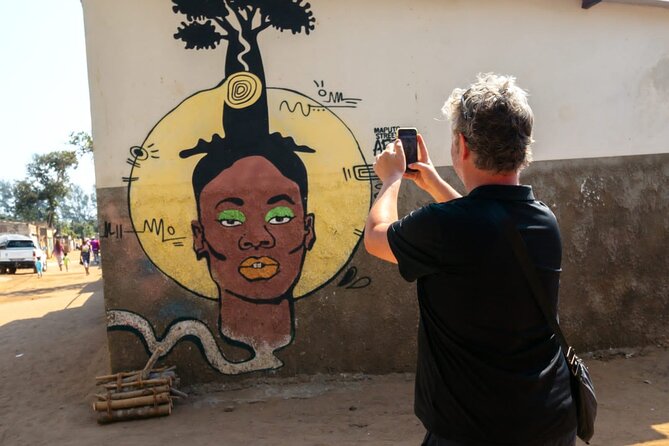
The tour costs $45 per person. For about two hours, that is not the cheapest way to take a walk in Maputo. You are paying for a private guided experience, not simply access to public walls.
The price makes more sense when you consider where the money goes. Proceeds support a non-profit organization that works to bring art and community development programs to neighborhoods with fewer resources. Its stated aims include promoting artistic expression, preserving culture, supporting youth and gender empowerment, and helping community development.
That purpose gives the fee a second layer of value. You receive a guided outing, while part of your payment supports programs designed to widen access to art and opportunity. I would not treat that as a reason to ignore the tour’s practical limits, but it is a meaningful difference from a standard sightseeing walk.
The best value comes if you care about the subject and want a private, focused introduction to Maputo’s community art. If you only want a quick list of major landmarks, $45 may feel high for two hours. If you want context and a direct connection to a local non-profit mission, the cost is easier to justify.
The tour is booked, on average, 23 days in advance. That suggests planning ahead is sensible, especially if your Maputo schedule is fixed. The booking includes a mobile ticket, so you do not need to manage a paper voucher.
How the two-hour format shapes your visit

Two hours is long enough to see several types of work and hear the ideas behind them, but short enough to keep the outing manageable. You should expect a walking experience centered on one neighborhood, not a full city tour.
The route has one listed stop, the Maputo Street Art Walking Tour, but that stop includes several elements: murals, the photography installation, recycled-material pieces, and commentary about the surrounding community. Think of it as one continuous walking route with multiple points of interest.
The walk may suit you early in a Maputo visit because it can help you understand the city beyond the center. It may also work later in your stay, when you have already seen the main sights and want something more focused. Since the tour does not include a long list of separate attractions, you will need to value the quality of the conversation and setting.
Wear what you normally find comfortable for a two-hour walk, though the supplied information does not specify distance, surfaces, or required clothing. Near public transportation, the area is reachable without the tour being limited to private vehicles. Exact pickup details are not provided, so confirm the meeting point when you book.
Who should book this Maputo art walk
I would recommend this experience most strongly if you enjoy:
- Public art and contemporary creative work
- Meeting a neighborhood through its artists
- Small private tours with time for questions
- Socially minded tourism
- Experiences outside a city’s main sightseeing zone
- A short activity that fits around other plans
It is also a good match if you want to support local art programs while you visit. The non-profit purpose is not a side note. It is central to why this experience exists.
Families and mixed-age groups may find the visual format easier to approach than a long historical lecture. The participation details state that most people can take part, and service animals are allowed. Still, the activity is a walking tour, so anyone with specific mobility needs should check the route and meeting arrangements before booking.
You may want a different activity if you need a guaranteed list of famous murals, a museum-style collection, or a tour lasting most of the day. The available details do not promise particular artists, named works, or an exact route. What you get is a guided look at a local public-art project.
Weather, booking, and the one policy to note
Good weather is required. If poor weather forces a cancellation, you are offered another date or a full refund. That is fair protection for an outdoor art walk, since rain could affect both the walking route and the artwork viewing.
The more important point is the general cancellation rule. The experience is non-refundable and cannot be changed for any reason if you cancel or request an amendment. Choose your date with care, particularly because the tour is often arranged well ahead of time.
The activity also requires a minimum number of participants. If the provider cancels because that minimum is not met, you are offered another date or experience, or a full refund. Those terms reduce the risk of a provider cancellation, but they do not give you flexibility after booking.
Confirmation arrives when you book. The mobile ticket makes the process simple, and the tour is private, with only your group participating.
Should you book the Maputo Street Art Private Walking Tour?
Book it if you want to see Maputo through public art rather than only through central landmarks. The combination of murals, photography, recycled materials, artist stories, and neighborhood context gives the two-hour walk a clear purpose.
I especially like the way the fee supports work in communities that often receive less access to art schools, galleries, and funding. That makes the tour more than a standard photo stop. You are paying for a private guide and a focused outing, while helping support programs tied to culture, youth, gender, and community development.
Skip it if you want a predictable list of famous works or need a flexible cancellation policy. The route details are limited, the activity depends on good weather, and the $45 price is easiest to defend when the mission and local context matter to you.
For the right visitor, this is a thoughtful way to spend two hours in Maputo: close to the art, close to the neighborhood, and well away from the usual center-city circuit.
FAQ
How long is the Maputo Street Art Private Walking Tour?
The tour lasts approximately two hours.
How much does the tour cost?
The price is $45 per person.
What kind of art will I see?
You will visit public murals, a photography installation, and art made from recycled materials.
Is this a private tour?
Yes. Only your group participates in the activity.
Where does the tour take place?
It takes place in a Maputo neighborhood outside the city center and is near public transportation.
Is the tour available in poor weather?
The experience requires good weather. If it is canceled because of poor weather, you are offered another date or a full refund.
Can I cancel for a refund?
The experience is non-refundable and cannot be changed for any reason after booking. If the provider cancels because the minimum number of participants is not met, you are offered another date or experience, or a full refund.
New street art tours in the world
- Your Own Belgrade: Street Art and Hidden Gems Walking Tour★ 5.0 · 2 reviews
- Xochimilco floating gardens, Coyoacan and UNAM murals★ 4.0 · 6 reviews
- Wynwood Walls Street Art & Neighborhood Walking Tour★ 4.9 · 9 reviews
- Vancouver: Street Art & Craft Beer Walking Tour with Tasting★ 4.8 · 14 reviews
- Vancouver: Street Art & Craft Coffee Walking Tour w/ Tasting★ 4.8 · 11 reviews
- Zagreb Street Art Private Walking Tour with a Local Artist★ 5.0 · 12 reviews
- UNAM: Murals & Revolution★ 4.9 · 8 reviews
- Urban Canvas: Osaka Street Art Bike Tour★ 5.0 · 10 reviews
Street Art Walking Tours, side by side.
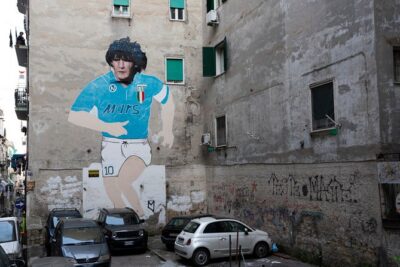
Naples Spanish Quarters Walking Tour Street Art, Folklore & Sweet
Read our review →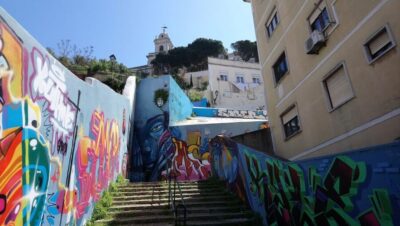
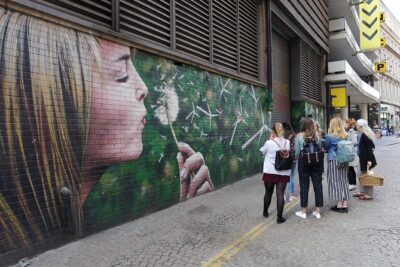

Brooklyn Graffiti & Street Art Walking Tour in Bushwick
Read our review →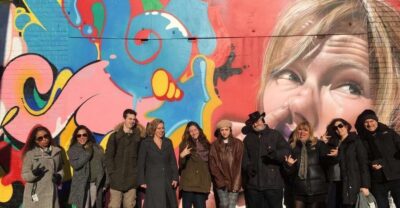
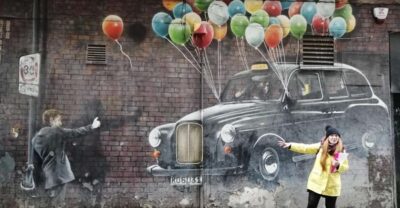
Lists this wall walk turns up in