
Reviewed · ALTERNATIVE AND HIDDEN CITY TOURS
Berlin: Street Art and Alternative Tour
Berlin’s street art makes the city’s modern story easy to see. This three-hour walk through Kreuzberg and the East Side Gallery links murals and wall fragments to the Cold War, the fall of the Wall, protest movements, and today’s gentrification. You are not simply looking at painted walls. You are learning why these places became canvases in the first place.
I like the way the tour ties art to social and political change, rather than treating graffiti as decoration. I also like the French and Italian language choice, with guides such as Antonella, Iacopo, Martin, and Marie praised for clear explanations and a warm style. The main drawback is practical: the price does not include the required 24-hour AB public transport ticket, and the meeting point changes with the option you book.
Key points
- Kreuzberg’s alternative quarter: Walk through one of Berlin’s best-known districts for street art, protest culture, and changing neighborhoods.
- East Side Gallery: See large-scale works painted along a surviving section of the Berlin Wall.
- Cold War context: Learn how the former border between East and West shaped Berlin’s alternative culture.
- Art beyond the main wall: Look for smaller works tucked into streets, corners, and courtyards.
- French or Italian guidance: Choose a live tour led in the language you prefer, with guides including Antonella, Iacopo, Martin, and Marie.
- Three hours on foot: Wear comfortable shoes and budget separately for a 24-hour AB public transport ticket.
Why Berlin’s street art needs its Cold War setting
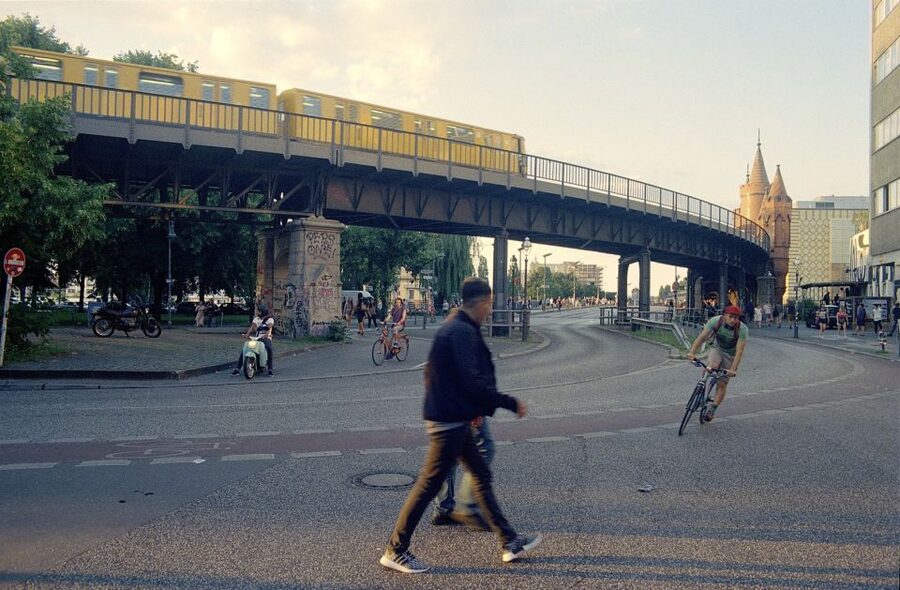
Berlin’s murals make more sense once you understand the city’s division. For decades, the Berlin Wall cut through neighborhoods, families, transport routes, and daily life. After the Wall fell in 1989, large areas near the former border changed quickly. Empty or underused spaces gave artists room to work, while the city’s political mood made public art feel like a natural form of expression.
This tour uses that story as its thread. You move between art and the events that helped create the city’s alternative culture. The focus is not only on what a mural looks like, but also on the social question behind it: who gets to use public space, who controls a neighborhood, and what happens when an area once known for low rents becomes fashionable.
I find that approach useful because street art can be easy to misread. A large painted wall may look playful, angry, or abstract, but without context you may miss its connection to protest, identity, migration, housing, or the memory of division. A guide gives you a way to read the city instead of just photographing it.
The tone is also more historical than a simple graffiti hunt. You should expect discussion of the economic and social changes after reunification, followed by the current pressure of gentrification. That gives the walk a clear purpose and keeps it from becoming a parade of colorful walls.
More Alternative City Tours in Germany
- Street Art and Alternative Tour of Berlin in French
★ 5.0 · 49 reviews - Berlin Alternative Street Art Tour
★ 4.0 · 26 reviews - Berlin: Alternative Street Art Tour
★ 4.4 · 18 reviews
Kreuzberg: Berlin’s alternative quarter on foot
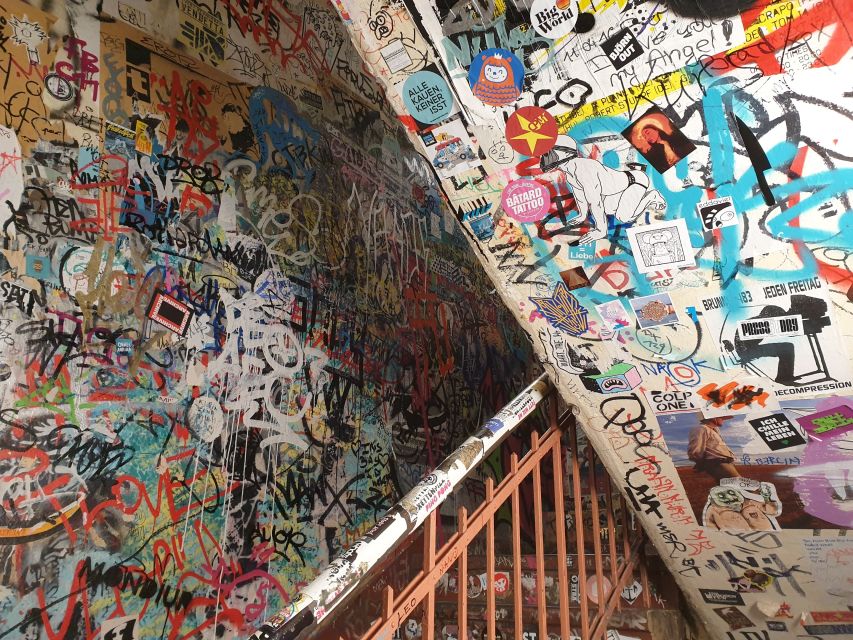
Kreuzberg is the main setting for the tour, and it is a good choice. The district is closely linked with Berlin’s alternative culture, and its streets show how art, politics, migration, architecture, and neighborhood life overlap.
You will walk through an urban setting where large works may appear between buildings, while smaller pieces are placed in corners, courtyards, and along side streets. That scale matters. The famous mural is easy to spot, but the smaller work often rewards attention. You need to keep your eyes up and down, and you may find yourself looking at doorways and walls that you would otherwise pass without a thought.
The walk also helps explain why Kreuzberg became associated with alternative Berlin. The district was close to the former East and West divide, and the changes after 1989 helped turn former border areas into places for creative activity. The tour connects this past with the neighborhood you see now, including the tension between long-standing local culture and newer commercial pressure.
I would not expect every stop to be a major mural. That is part of the point. Street art changes, disappears, and sometimes sits in places that do not look like formal art sites. If you want a museum-like sequence of permanent works, this may feel loose. If you want to understand how urban art grows out of ordinary streets, the format works well.
One useful detail comes from the meeting arrangements. A route may begin at Kotbusser Tor, but the meeting point varies by the option booked. Check the exact location before setting out. It is a small step, but it can prevent an unnecessary cross-city trip before a walking tour.
Reading the walls instead of just photographing them
The strongest part of this experience is the explanation around the art. Guides are expected to connect the images with Berlin’s political and social changes, making the paintings part of a larger city story.
The tour treats the Wall as more than a physical barrier. It was also a symbol, a wound, and later a surface for public memory. The art along and near the former border reflects that shift. Work that once might have been seen as illegal or disruptive became part of Berlin’s public identity after reunification.
That change is worth your attention. It raises a practical question for any city with street art: when does unofficial art become an attraction, and what happens to its original message once visitors come to see it? The tour’s discussion of gentrification gives you a way to think about that issue while you are standing in the neighborhoods affected by it.
The guides appear to be particularly important here. Antonella and Iacopo have led visitors through the city’s story with energy and detail. Martin is known for explaining Berlin in an accessible way, while Marie has been praised for answering questions and adding current local observations. These names are useful when comparing language options, but guide assignments can change, so you should not book on the assumption that one particular person will lead your departure.
The language choice is a real advantage. A French or Italian explanation lets you follow the historical details without working through a second language. That matters on a tour where the meaning of a wall can depend on political terms, dates, and local context.
Friedrichshain and the East Side Gallery
The East Side Gallery is the tour’s most recognizable stop. It occupies a long surviving section of the Berlin Wall and is covered with large-scale paintings. The setting brings together art, memory, and the physical remains of the old border.
You will see how artists used a once-threatening structure as a public canvas. The painted wall is now one of Berlin’s best-known sights, but its importance comes from the contrast between its former purpose and its present role. A barrier built to divide people has become a place where images and ideas are shared.
The East Side Gallery is in Friedrichshain, another district tied to Berlin’s alternative culture and post-Wall change. Here, the scale of the art is different from the smaller pieces you may encounter in Kreuzberg or elsewhere in the city. The large works are easier to view and photograph, but they can also make the experience feel more like a major attraction than a rough-edged street art walk.
That contrast is useful. The tour can show you both sides of Berlin’s urban art scene: the famous public works that draw crowds and the less obvious pieces that blend into daily life. I like having both. The East Side Gallery provides a strong visual anchor, while the smaller works help explain how art functions inside a neighborhood.
Do not expect the wall paintings to tell one single story. They come from different artists and moments, and their styles vary. The guide’s job is to give you the political and historical frame so that the gallery feels connected to Berlin rather than like a collection of unrelated images.
More Alternative City Tours in Berlin:
- Alternative Berlin & Street Art Tour
★ 4.5 · 14 reviews - Berlin: Alternative & Street Art Tour
★ 4.5 · 10 reviews - Alternative Berlin Private Tour with Jacob – Graffiti and Squats
★ 5.0 · 6 reviews - Alternative Berlin / Street art tour – Private group
★ 5.0 · 6 reviews
The story after 1989
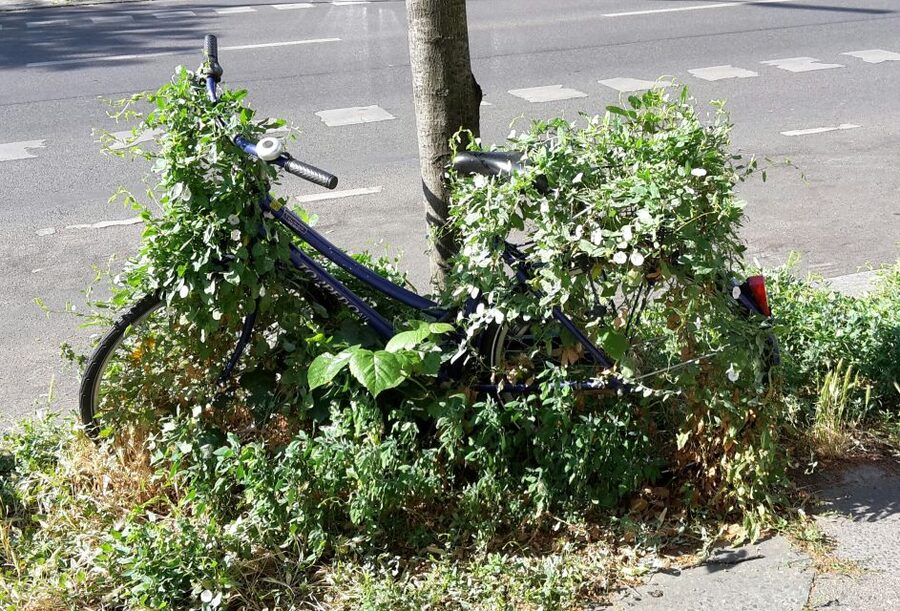
The fall of the Wall is the turning point of the tour, but the story does not stop there. Berlin’s revival in the 1990s depended partly on the unusual spaces left by division and reunification. Artists, musicians, activists, and other groups made use of areas that had not yet been fully redeveloped.
That period helped shape Berlin’s international reputation as an alternative city. The tour explains how urban art became part of that revival. Murals and smaller works were not simply a side effect of the city’s changes. They helped express the mood of a place rebuilding itself and testing what public space could mean.
You will also hear about the next phase, gentrification. This is where the tour gains its modern edge. As neighborhoods become more popular, rents and investment can rise. The same alternative identity that attracts people can help make an area more expensive and less accessible to the communities that shaped it.
I appreciate tours that do not freeze a city in a romantic past. Kreuzberg is not only a story about artists and abandoned spaces. It is also a living district dealing with pressure and change. You will come away with a more useful view of Berlin if you understand both the creative energy and the costs that can follow it.
What three hours feels like
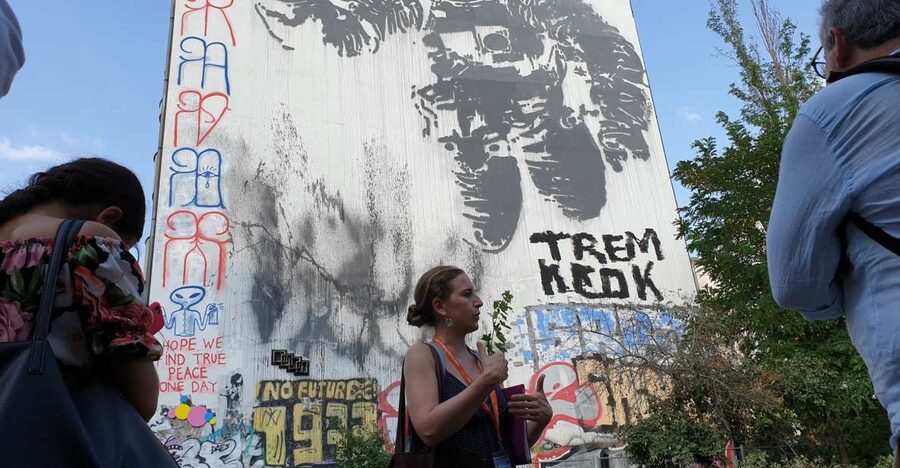
Three hours is enough time to build a story without taking up an entire day. You should expect a sustained walking experience, with public transport used as part of the route. The required 24-hour AB ticket is not included, so add that cost when you compare the total price.
The ticket requirement is not just a minor footnote. Berlin’s public transport zones and ticket rules can be confusing, especially if you are already managing museum visits and other plans. Buy the correct 24-hour AB ticket before the tour, and check the starting point for your chosen option. The activity information specifically says that you need this ticket to take the tour.
Wear comfortable shoes. The tour is built around streets, walls, and neighborhoods rather than a single indoor site, so you should dress for several hours on foot. The information provided does not promise shelter, seating, or a fixed indoor stop, so plan for an outdoor walk.
The group is described as small, though no exact maximum is given. That usually helps with questions and keeps the guide’s explanations easier to hear. Still, a walking tour through public streets can never feel as controlled as a private gallery visit. Traffic, other pedestrians, and the changing condition of street art are part of the setting.
The meeting point may vary. One route has been associated with Kotbusser Tor, especially because the walk begins in the Kreuzberg area, but you must confirm the exact meeting point for your booked option. This is one of the few logistical details that deserves special attention.
Is $31 a fair price?
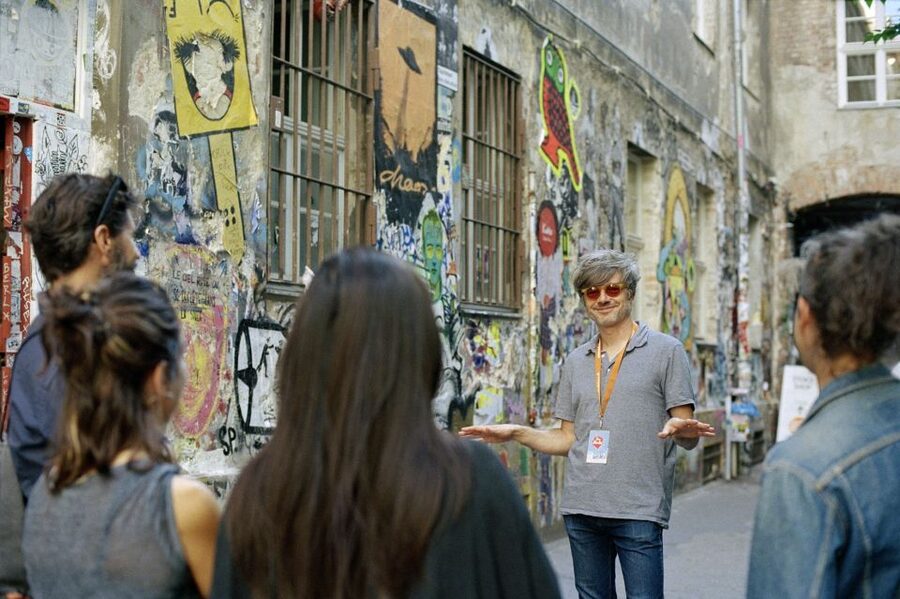
At $31 per person, the tour is reasonably priced if you want history, neighborhood context, and art interpretation in one outing. You are paying for a three-hour guided walk rather than an admission ticket, and the value rests mainly on the guide’s ability to connect what you see with Berlin’s past and present.
The cost makes more sense if you are interested in why street art exists in these districts. If you only want a list of famous murals for photographs, you could walk around parts of Kreuzberg and the East Side Gallery on your own. You would save the guide fee, but you would also lose the explanations about the Wall, the 1990s, alternative culture, and gentrification.
Remember to add the 24-hour AB transport ticket. That is an extra expense, but it also gives you transport beyond the tour day’s walking route if you plan it well. The booking terms allow cancellation up to 24 hours before the activity for a full refund, and you can reserve now and pay later, which helps if your schedule is still changing.
The overall rating is 4.7 from 98 ratings, and the strongest praise centers on the guides’ warmth, historical clarity, and command of street art, architecture, and Berlin’s underground culture. One recurring strength is accessibility: the explanations are presented in a way that helps you understand present-day Berlin without requiring specialist knowledge.
Who should choose this walk
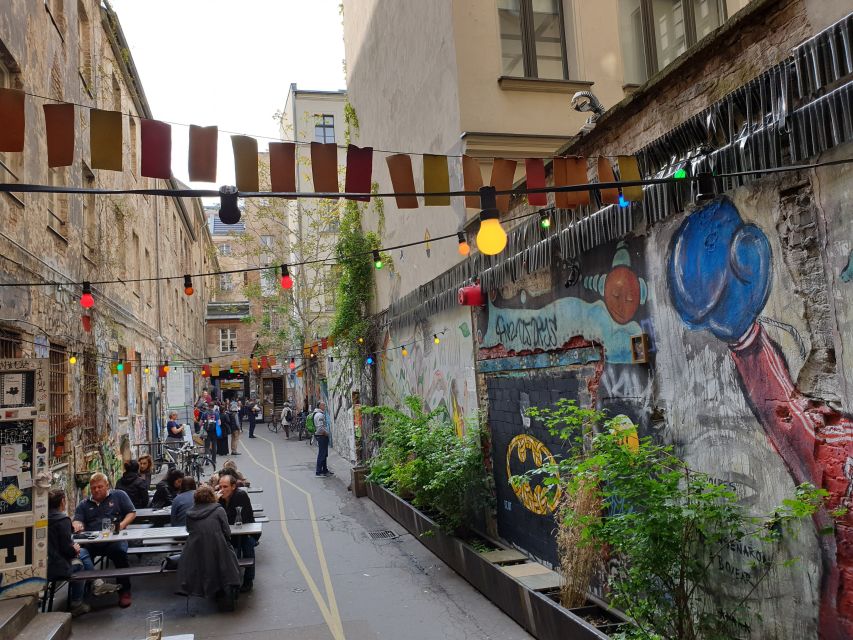
I would recommend the tour to you if you want to see Berlin through its social changes rather than only through grand monuments. It suits first-time visitors who need a clear introduction to the city’s alternative districts, as well as repeat visitors who want a different side of Berlin.
It is especially useful for French and Italian speakers who prefer a live guide in their own language. The guide’s stories are a central part of the experience, so language comfort can make a real difference.
The tour also fits visitors who enjoy photography but want more than attractive backgrounds. You will have plenty to look at, yet the focus is on meaning and setting. Bring a camera if you like, but bring curiosity too.
I would hesitate to recommend it if you dislike walking, want a fully fixed indoor itinerary, or expect every stop to be a famous mural. Street art is temporary and scattered, and the appeal comes from following the neighborhood story. The exact meeting point and route details can vary, so this is not the best choice for someone who wants a rigid schedule.
Final verdict: book it for context, not just color
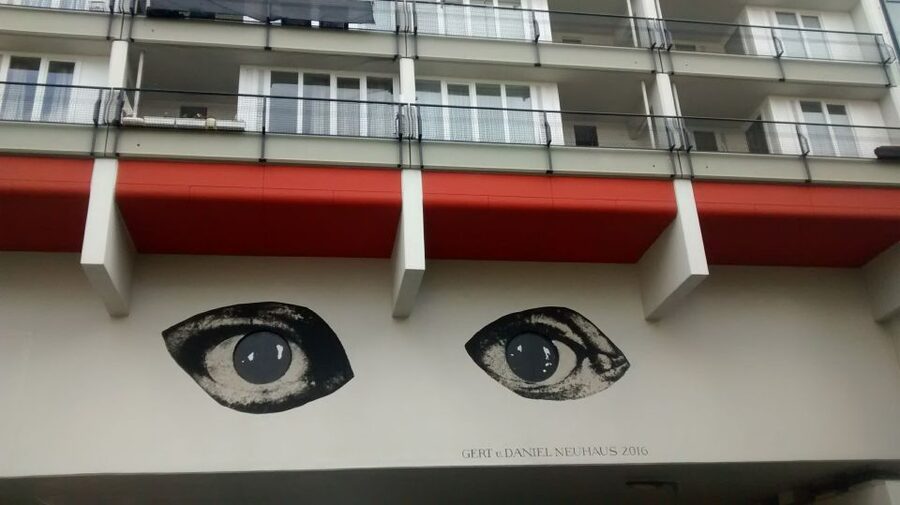
Book this tour if you want to understand why Kreuzberg and Friedrichshain became central to Berlin’s alternative identity. The East Side Gallery supplies the big visual moment, while the smaller works and street-level explanations give the walk its real value.
The best reason to go is the link between art, Cold War division, reunification, and gentrification. Guides such as Antonella, Iacopo, Martin, and Marie bring a human voice to that story, although the assigned guide may vary. Budget for the AB ticket, confirm the meeting point, and wear shoes suited to three hours outside.
If your goal is simply to tick off Berlin’s most famous sights, choose a more traditional city tour. If you want to see how political change gets painted onto walls and carried into present-day neighborhoods, this is a smart, fairly priced choice.
FAQ
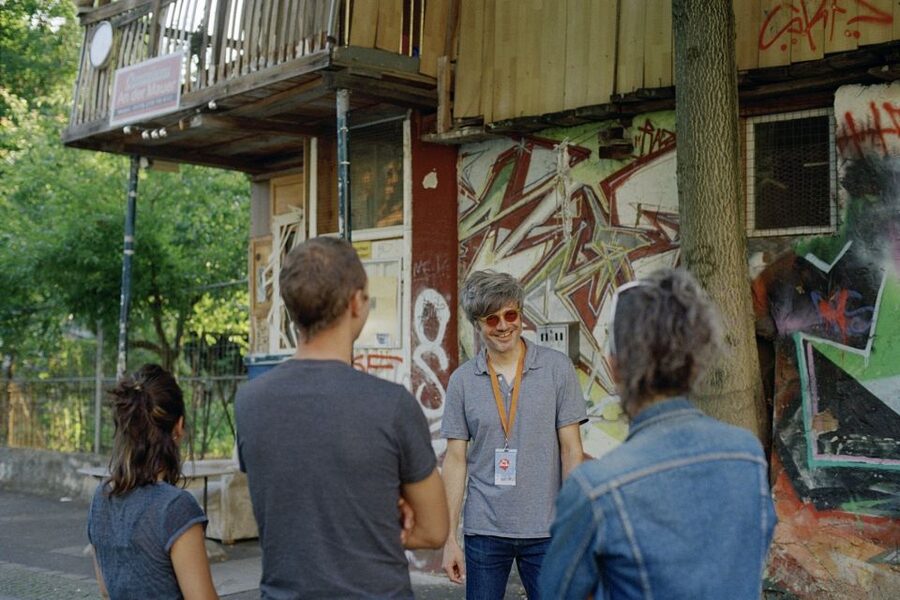
How long does the Berlin Street Art and Alternative Tour last?
The tour lasts three hours.
What languages are available?
The live guide speaks either French or Italian, depending on the option you choose.
Which Berlin areas does the tour cover?
The experience focuses on Kreuzberg and Friedrichshain, including the East Side Gallery. It also discusses urban art in relation to other parts of Berlin, including Mitte.
Is public transport included?
No. You need to purchase a 24-hour AB public transport ticket separately to take the tour.
What should I bring?
Bring comfortable shoes for the three-hour walking route.
Can I cancel the booking?
Yes. You can cancel up to 24 hours in advance for a full refund. You can also reserve now and pay later.
New street art tours in Berlin
- Open graffiti workshop in the Mauerpark in Berlin★ 5.0 · 2 reviews
- Graffiti Workshop Berlin with professional graffiti artists★ 4.0 · 4 reviews
- Alternative Berlin Private Tour with Jacob – Graffiti and Squats★ 5.0 · 6 reviews
- Alternative Berlin & Street Art Tour★ 4.5 · 14 reviews
- Private Alternative Berlin Tour -Murals, Graffiti and Squats★ 4.8 · 5 reviews
- Street Art Workshop & Tour – Private Group★ 5.0 · 2 reviews
- Street Art & Berlin Gay, Queer, Trans History + Free Gay Map★ 4.9 · 15 reviews
- Berlin : Private Street Art Walking Tour (Private Tour)★ 5.0 · 2 reviews
Alternative and Hidden City Tours, side by side.
London Bike Tour: Landmarks, Secret Gems, Pub Stop & Street Art
Read our review →
Street Art and Underground Movements Walking Tour
Read our review →
San Antonio E-Bike Tour: Murals, Street Art and Hidden Gems
Read our review →
Amsterdam’s Hidden Gems and Street Art Bike Tour
Read our review →
Alternative Street Art Free Walking Tour of Budapest
Read our review →

Street Art and Alternative Tour of Berlin in French
Read our review →Lists this wall walk turns up in