
Reviewed · ALTERNATIVE AND HIDDEN CITY TOURS
Berlin: Alternative & Street Art Tour
Berlin’s alternative culture is not tucked away in one museum. It spills across courtyards, club fronts, murals, beaches, treehouses, and whole neighborhoods. This three-hour walking tour connects those pieces across Mitte, Kreuzberg, and Friedrichshain, showing you the city’s punk, techno, graffiti, political, and squatting traditions.
I like the way the route mixes famous street art with places that feel more homemade, such as the Treehouse on the Wall. I also like the strong local angle: guides including Damien and Antonio bring energy and clear explanations, while another guide was praised for being calm and easy to follow. The main thing to consider is the pace and format: you are walking outdoors for three hours, in rain or shine, and your public transportation ticket is not included.
Key points to know before you go
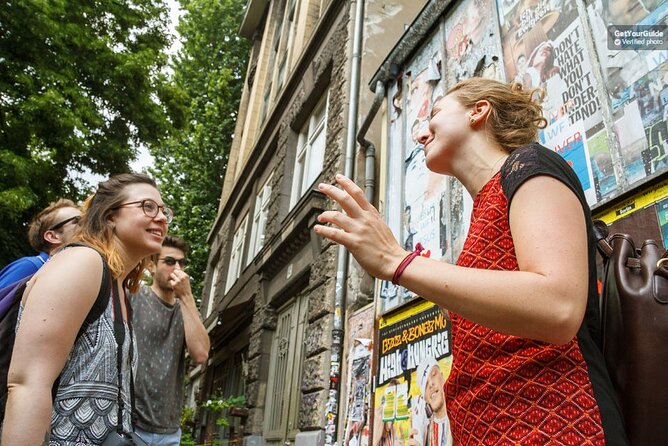
- Three districts in one tour: Move through Mitte, Kreuzberg, and Friedrichshain to see how different parts of Berlin express their own creative character.
- More than a graffiti walk: The stories include punk rock, techno, squatting movements, politics, alternative housing, and community projects.
- Distinctive stops: See Haus Schwarzenberg, YAAM Beach, Künstlerhaus Bethanien, the Treehouse on the Wall, and the legendary SO36.
- Local guides make the difference: Damien and Antonio are specifically praised for enthusiasm and strong explanations, while the tour team is tied closely to Berlin’s subcultures.
- Good value at $23: Three hours of guiding and several neighborhoods make this a reasonably priced introduction to a side of Berlin that is hard to understand from a standard sightseeing route.
- Plan for the weather: The tour runs rain or shine, and you should budget separately for any food, drinks, transport tickets, or gratuity.
Why Berlin’s alternative culture needs a walking tour
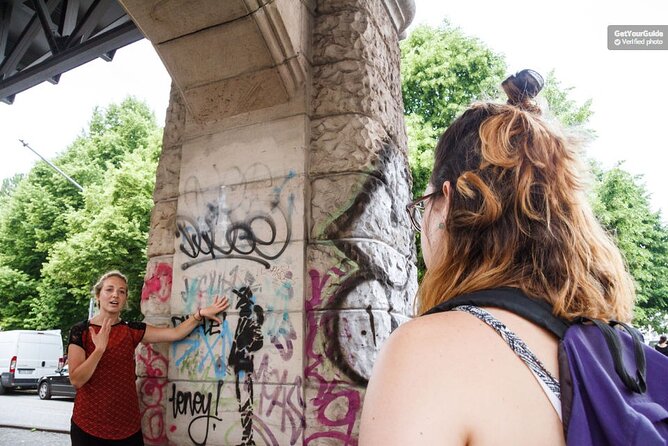
Berlin can look polished in the center, yet its character often appears in rougher corners. A painted wall, a former squat, a music club, or a homemade structure can tell you more about the city’s recent identity than a grand monument.
This tour gives those places a common thread. You learn how punk rock, techno, graffiti, street art, political activism, and squatting shaped Berlin’s image as a city where people try new ways of living and making art.
That context matters. Street art is easy to photograph and easy to misunderstand. A guide can explain why certain buildings matter, how alternative spaces developed, and why artists continue to choose Berlin. The experience is less about checking off murals and more about understanding the ideas behind them.
I also appreciate the mix of subjects. If you only care about graffiti, the discussions of alternative housing or club culture may slow the pace for you. If you want to know why Berlin feels different from many European capitals, those wider stories are exactly the point.
More Alternative City Tours in Germany
- Berlin: Street Art and Alternative Tour
★ 4.7 · 98 reviews - Street Art and Alternative Tour of Berlin in French
★ 5.0 · 49 reviews - Berlin Alternative Street Art Tour
★ 4.0 · 26 reviews
Meeting beneath the TV tower in Mitte
The tour begins underneath Berlin’s TV tower, in front of the Vapiano restaurant. This is a practical central meeting point, but give yourself enough time to find the exact spot around the tower and restaurant.
Starting in Mitte places you near the city’s most recognizable center before the tour moves toward less formal and more alternative areas. That change in setting is part of the experience. You begin with the familiar Berlin skyline, then follow the guide toward courtyards, club districts, murals, and community spaces.
The meeting point is not a hotel pickup location. You need to make your own way there, and the tour does not include transportation tickets. Since the route covers several districts, ask the guide about the best way to handle any public transport used during the outing.
Haus Schwarzenberg and Berlin’s unruly art scene
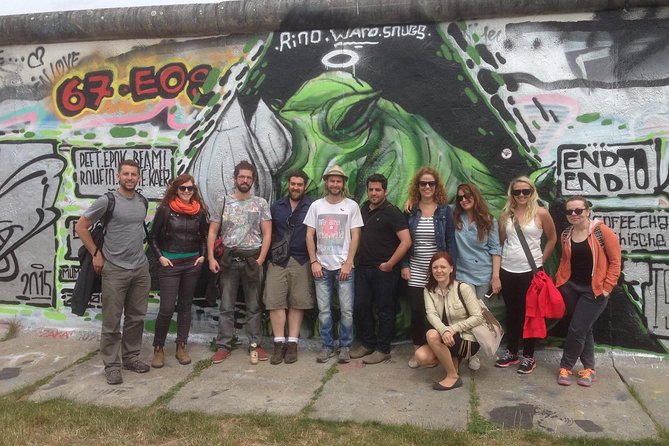
One of the major early stops is Haus Schwarzenberg, a place closely linked with street art and alternative Berlin culture. It is the kind of setting where the city’s creative spirit feels physical: walls, passageways, and building surfaces become part of the artwork.
This is a useful place to begin because it shows how street art can belong to a whole setting rather than a single painted panel. You get photo opportunities, but you also get a chance to think about why artists work in certain spaces and how a building can become a cultural meeting point.
The art changes over time. That is worth keeping in mind if you are hoping to see one exact mural from a photograph. The appeal is the ongoing nature of the work, not a fixed gallery display. Your guide can help you notice details you might otherwise pass without seeing.
The stop should suit photographers and first-time Berlin visitors. It may be less satisfying if you want only formal museums or neatly preserved monuments. This tour is about the city as a work in progress.
From punk rock to the rise of techno
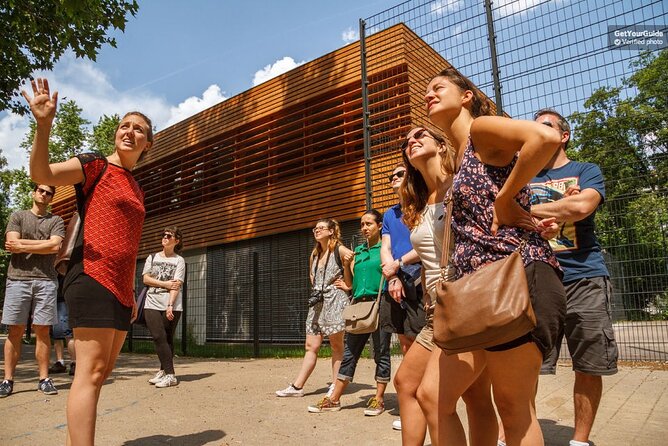
The tour’s strongest subject is the way music helped shape Berlin’s identity. Punk rock, underground techno, and alternative music are treated as part of the city’s social story, not as isolated entertainment.
You hear about the scenes that formed around clubs, artists, political groups, and people looking for space outside the mainstream. The stories explain why Berlin became such a draw for creative people and why its nightlife has such a strong place in the city’s image.
SO36 is an important part of that conversation. The legendary club is associated with punk, eclectic music, and Berlin’s alternative heritage. Even if you do not attend a show there, seeing the place in its neighborhood setting helps connect music history with the streets around it.
The tour does not promise club entry or a night out. It gives you the background to recognize the role these places played. If you want practical nightlife recommendations, you can use the time with your guide to ask about the city’s music culture, but the included experience is the walking tour itself.
More Alternative City Tours in Berlin:
- Berlin: Alternative Street Art Tour
★ 4.4 · 18 reviews - Alternative Berlin & Street Art Tour
★ 4.5 · 14 reviews - Alternative Berlin Private Tour with Jacob – Graffiti and Squats
★ 5.0 · 6 reviews - Alternative Berlin / Street art tour – Private group
★ 5.0 · 6 reviews
YAAM Beach, where music and community meet
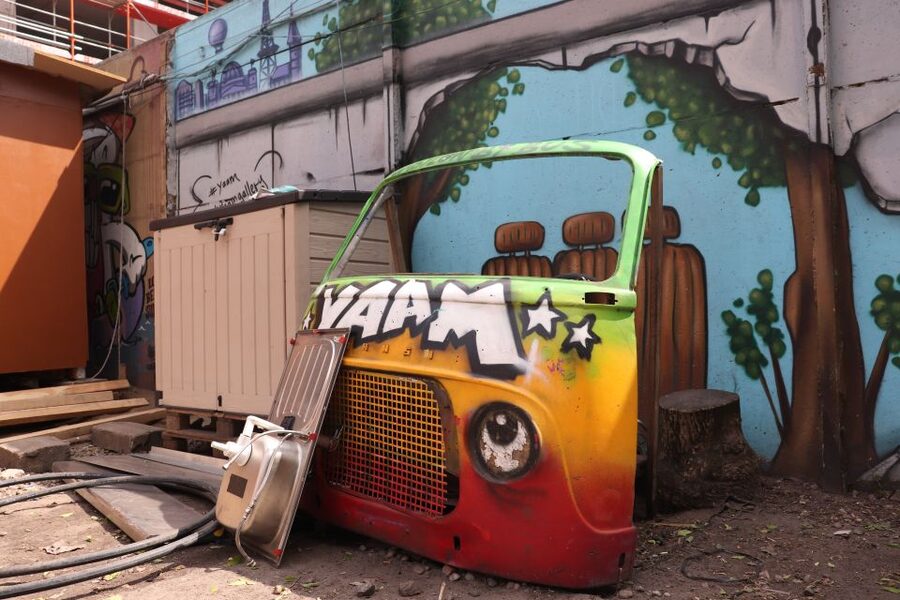
YAAM Beach offers a different view of Berlin’s alternative side. Here, reggae, music, graffiti, and community come together in a setting described as a cultural oasis.
The name can be slightly misleading if you picture a traditional seaside resort. The important point is the atmosphere and the way the space brings together music, art, and social life. It gives the tour a welcome change from inner-city walls and club fronts.
I like this stop because it widens the definition of Berlin culture. Alternative life in the city is not only punk venues and political graffiti. It can also include relaxed gathering spaces, music communities, and places shaped by different cultural influences.
The tour may not include food or drinks, so do not count on a meal break here. Any purchases are your responsibility. Still, the stop can be a good photo opportunity and a useful reminder that Berlin’s creative identity includes multicultural influences.
Künstlerhaus Bethanien and the story of squatting
Künstlerhaus Bethanien brings contemporary art, local history, alternative housing, and activism into the route. It is one of the places where the tour moves beyond visual appeal and deals with the harder questions behind Berlin’s alternative culture.
Squatting movements helped redefine how people thought about vacant buildings, housing, ownership, and community life. The subject can be complicated, and a short tour cannot cover every political or social detail. What it can do is give you a framework for understanding why certain Berlin neighborhoods developed such strong traditions of activism and independent living.
This stop is especially useful if you have noticed Berlin’s mixture of old buildings, new development, art spaces, and contested urban areas. The guide connects those visible changes with the people who challenged the normal rules of city life.
Do not expect a conventional art museum visit. The tour is concerned with the place and its meaning within Berlin’s alternative story, not with a long indoor gallery program.
The Treehouse on the Wall and everyday defiance
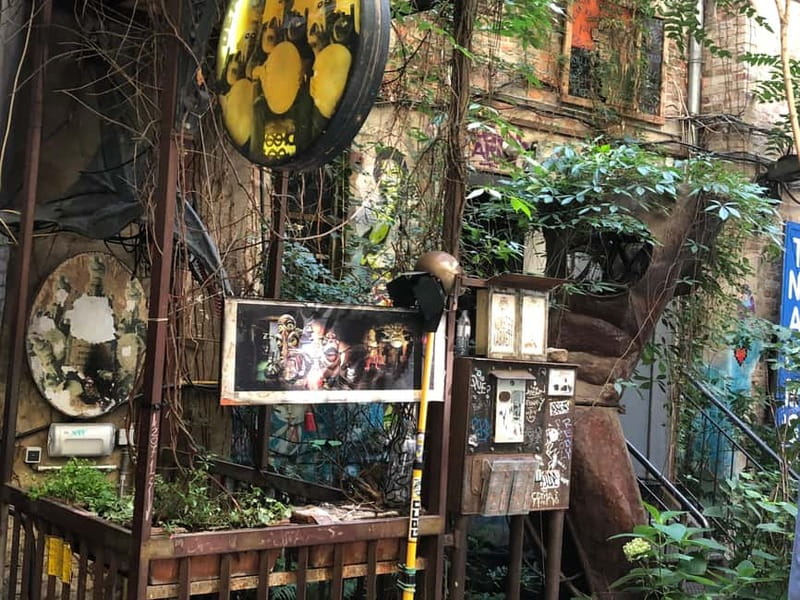
The Treehouse on the Wall is one of the tour’s most unusual stops. It is presented as a symbol of ingenuity, resilience, and defiance, which makes it easy to remember after the other murals and buildings begin to blend together.
Its value is not just that it looks unusual. The structure represents the ability to claim space and create something personal in a city marked by political division and major change. Your guide explains the story behind it and places it within the wider theme of Berlin’s resistance to standard rules.
This is a good example of why a local guide helps. Without context, you might see a curious structure and take a quick photo. With the story, it becomes part of a larger discussion about walls, ownership, creativity, and the right to make a place your own.
The stop also helps keep the tour from becoming too focused on large murals. Berlin’s alternative culture can appear in small, improvised acts as well as major art projects.
Kreuzberg and Friedrichshain beyond the usual postcard route
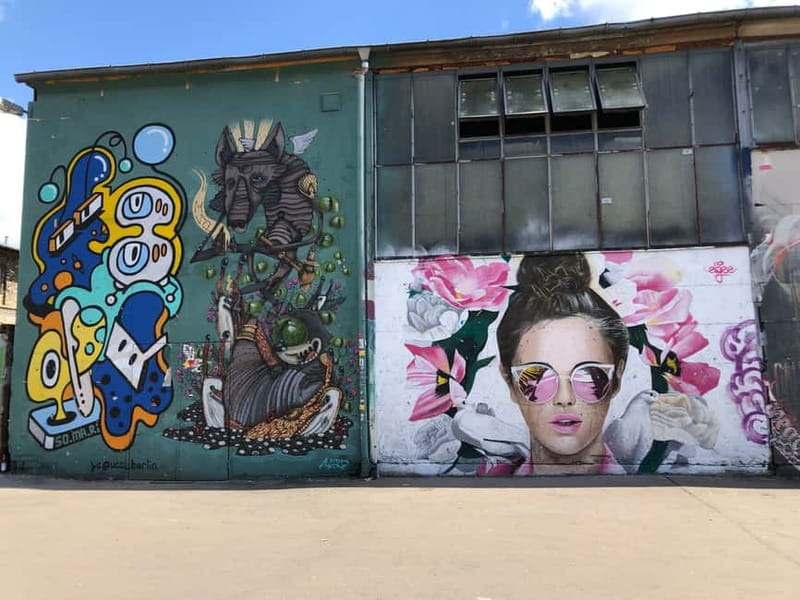
The tour passes through neighborhoods with local Berlin character and multicultural flair. Kreuzberg and Friedrichshain are well known, but this route aims to show more than the standard visitor view.
You get a sense of how creative scenes occupy ordinary streets and buildings. The tour links neighborhood life with political activism, music, art, and independent communities. That is useful because Berlin’s alternative culture is not confined to a single attraction.
At the same time, you should keep expectations realistic. This is not a full architectural tour, a food tour, or a detailed neighborhood history course. The focus stays on subcultures and the people who shaped them.
I would choose this outing after seeing the major historic sights, or early in a longer stay if you want a better sense of how Berlin works beyond its formal landmarks. The tour can help you decide which neighborhoods, clubs, or art spaces you want to explore later on your own.
What the guide adds to the experience
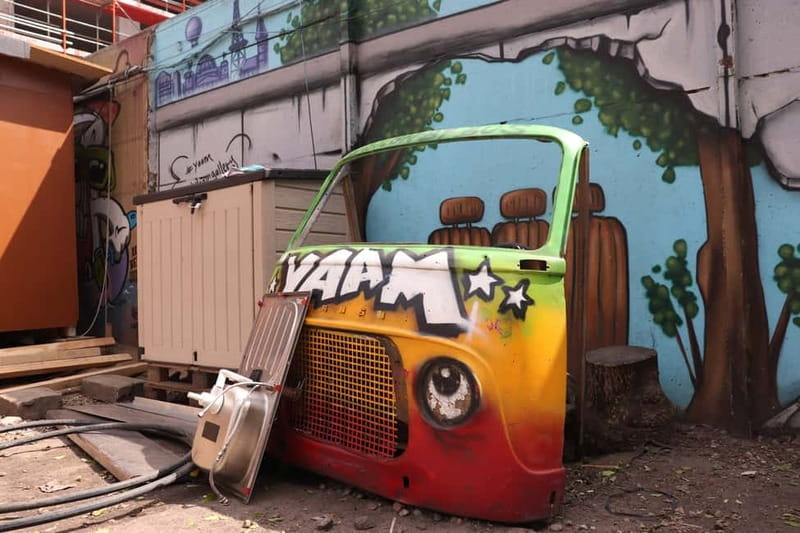
The guide is the heart of this tour. The company describes its guides as closely connected to Berlin’s subculture and local scenes, and the most specific praise centers on their energy and clear explanations.
Damien is described as enthusiastic and well informed about the alternative side of Berlin. Antonio Castello receives especially strong praise for making the experience memorable and offering a great insight into the city’s alternative culture. Another guide was appreciated for explaining everything in a calm, friendly way.
Those comments point to an important practical difference. A walking tour about graffiti and subcultures can become a list of names and dates if the guide lacks personality. Here, the guide’s voice helps turn scattered places into a connected story.
The tour is in English. If you want a quiet, self-guided walk, this may feel too talkative. If you want help interpreting the city, the live guide is the main reason to book rather than simply visiting the same districts on your own.
Three hours on foot, rain or shine
The advertised duration is three hours. That is long enough to cover several districts and major stops without turning the outing into a full-day commitment.
You should wear comfortable shoes and dress for changing weather. The tour runs in rain or sunshine, and there is no promise that the route will be altered for bad weather. Since the experience is outdoors, a wet day may affect how long you want to linger at murals or open-air sites.
The tour is described as suitable for all ages and wheelchair accessible. Because it covers multiple city areas and includes outdoor walking, you may still want to confirm any personal mobility needs when booking. The provided information does not specify the exact route surface, restroom access, or the length of every walking section.
Food, drinks, gratuities, and transportation tickets are not included. Bring what you need for the three-hour outing and keep a separate budget for transport if the route uses public transit.
Is $23 a fair price?
At $23 per person, this is a good-value introduction to Berlin’s alternative culture. You get three hours with an English-speaking guide and visit places spread across Mitte, Kreuzberg, and Friedrichshain.
The value depends on what you would otherwise do. If you planned to wander through these neighborhoods alone, the price buys you context, a route, and someone who can explain the connection between a mural, a club, a squat, and a community project.
It is not a bargain if you want paid admissions, food, drinks, or transportation included. None of those extras are part of the price. Still, the tour covers a lot of ground for a modest fee, and the guide’s local perspective is difficult to replace with a map.
Free cancellation up to 24 hours before the start and the option to reserve without paying immediately make planning easier. Those details are helpful if your Berlin schedule is still shifting.
Who should book this Berlin tour?
I would recommend it to first-time visitors who want more than the Brandenburg Gate and Museum Island. It also suits repeat visitors who have seen the major sights and want to understand Berlin’s creative and rebellious side.
The tour is a good match for:
- People interested in street art, graffiti, punk, techno, and alternative music.
- Visitors curious about squatting, activism, and independent communities.
- Photographers looking for murals, unusual buildings, and informal urban scenes.
- Anyone who prefers local stories to a standard monument checklist.
- Families or mixed-age groups looking for an outdoor activity suitable for all ages.
I would think twice if you dislike walking, need a tightly scheduled indoor activity, or want detailed art criticism rather than social and cultural context. The route is also weather dependent in practical terms, even though it operates in rain or sunshine.
Should you book it?
Book this tour if you want to understand why Berlin attracts artists, musicians, activists, and people determined to live differently. The route covers memorable places, but the real benefit is the connection between them.
The best reason to choose it is the guide. Damien, Antonio Castello, and the wider team bring enthusiasm and personal explanation to a subject that could otherwise feel scattered. At $23, three hours is a sensible investment for an introduction to Berlin’s alternative culture.
Skip it if your time is extremely short and you want only the city’s major historic sights, or if outdoor walking in poor weather would spoil your day. For everyone else, this is a practical, lively way to see the Berlin that exists behind the postcard views.
FAQ
Where does the Alternative and Street Art Tour meet?
The meeting point is directly underneath the TV tower, in front of the Vapiano restaurant.
How long does the tour last?
The tour lasts three hours.
What language is the tour in?
The tour is conducted in English with a live English-speaking guide.
Which Berlin districts does the tour visit?
The route travels through Mitte, Kreuzberg, and Friedrichshain.
Which main places are included?
The tour includes Haus Schwarzenberg, YAAM Beach, Künstlerhaus Bethanien, the Treehouse on the Wall, and SO36.
Is transportation included?
Transportation tickets are not included. Pickup and drop-off are also not included.
Does the tour run in bad weather?
Yes. The tour takes place rain or shine.
Is the tour wheelchair accessible?
Yes, the activity is described as wheelchair accessible.
New street art tours in Berlin
- Alternative Berlin Private Tour with Jacob – Graffiti and Squats★ 5.0 · 6 reviews
- Open graffiti workshop in the Mauerpark in Berlin★ 5.0 · 2 reviews
- Graffiti Workshop Berlin with professional graffiti artists★ 4.0 · 4 reviews
- Alternative Berlin & Street Art Tour★ 4.5 · 14 reviews
- Private Alternative Berlin Tour -Murals, Graffiti and Squats★ 4.8 · 5 reviews
- Street Art Workshop & Tour – Private Group★ 5.0 · 2 reviews
- Street Art & Berlin Gay, Queer, Trans History + Free Gay Map★ 4.9 · 15 reviews
- Berlin : Private Street Art Walking Tour (Private Tour)★ 5.0 · 2 reviews
Alternative and Hidden City Tours, side by side.
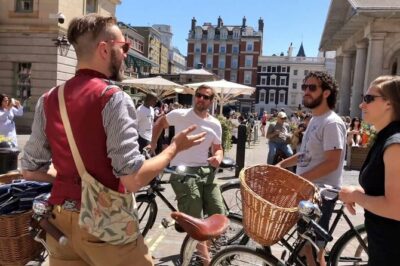
London Bike Tour: Landmarks, Secret Gems, Pub Stop & Street Art
Read our review →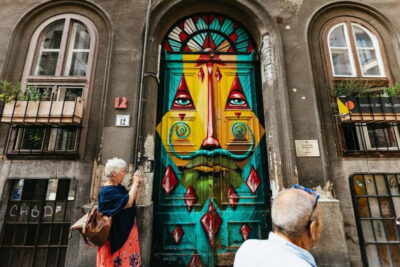
Street Art and Underground Movements Walking Tour
Read our review →

San Antonio E-Bike Tour: Murals, Street Art and Hidden Gems
Read our review →
Amsterdam’s Hidden Gems and Street Art Bike Tour
Read our review →
Alternative Street Art Free Walking Tour of Budapest
Read our review →

Lists this wall walk turns up in