
Reviewed · CAPE TOWN MURAL TOURS
Cape Town: Inspiring sustainable change through Street Art
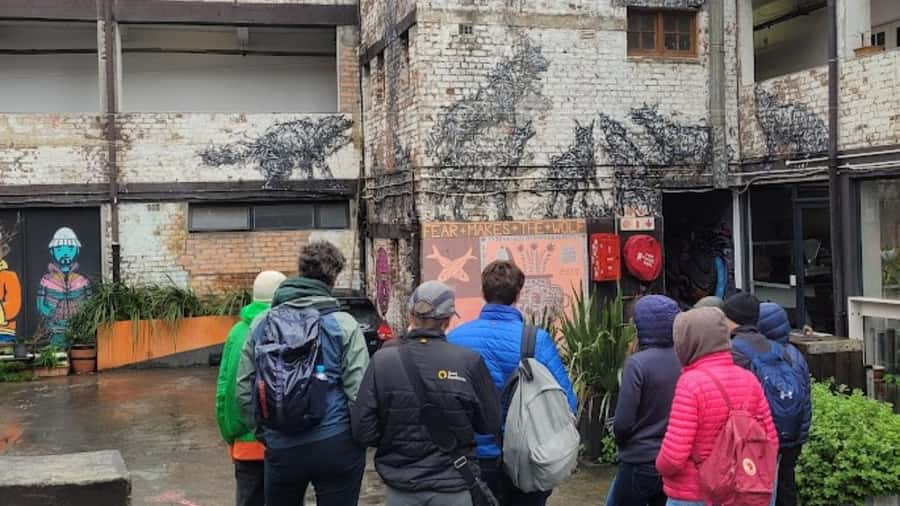
Cape Town’s street art is not confined to a gallery wall. It spills across the streets of Woodstock and Salt River, where large murals, smaller works, and working galleries tell stories about the people and ideas shaping these neighborhoods. This 150-minute walk gives you a local guide to help read those stories.
I like the close look at artists and their methods, and I like the chance to meet local people rather than simply photograph walls from a vehicle. The main consideration is simple: this is a walking tour in a neighborhood, so comfortable shoes, sun protection, and a willingness to stay alert matter.
Key points to know
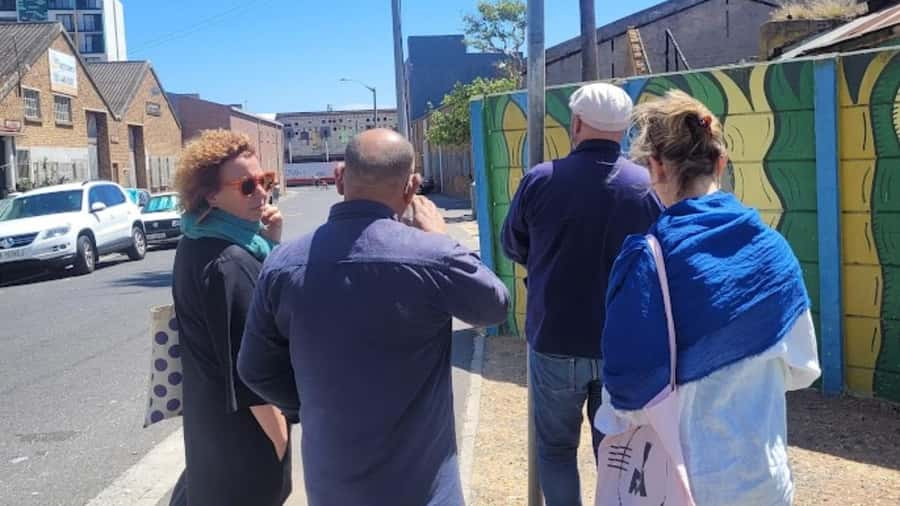
- Woodstock and Salt River on foot: Explore two Cape Town neighborhoods known for colorful murals, galleries, and creative activity.
- Guide-led interpretation: Dauriq explains the artists, messages, and techniques behind the pieces.
- Local connections: The route is designed to introduce you to residents and Cape Town’s creative subcultures.
- Pickup support: Gail has handled pickup with bottled water and a comfortable transfer to the meeting point.
- Practical timing: Allow 150 minutes, with English guiding and pickup included at the reception.
- Flexible booking: You can cancel up to 24 hours before the tour for a full refund and reserve now while paying later.
Reading Woodstock and Salt River one wall at a time
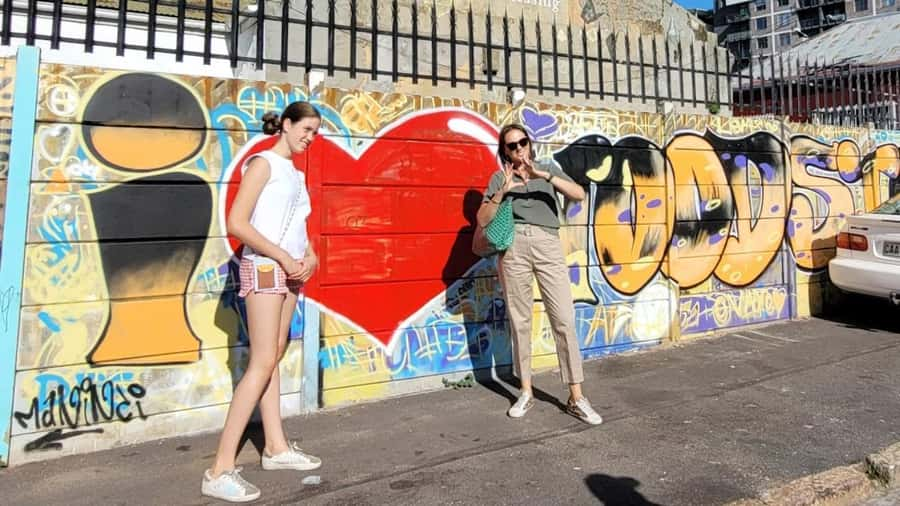
I find street art tours most useful when they do more than point at a painted wall and name the artist. Here, the guide explains what you are seeing, why the work matters, and how the artist used the surface to communicate.
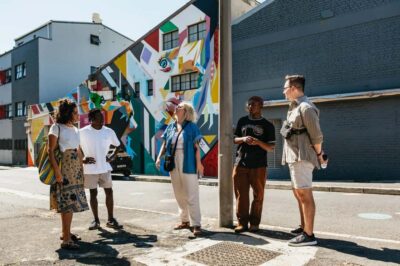
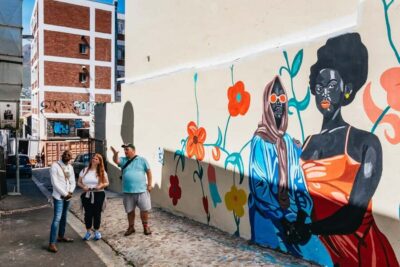
The route takes you through Woodstock and Salt River, two nearby Cape Town areas with a strong creative identity. You will walk along local streets, looking at murals and other works placed in the everyday setting where people live and work. That setting matters. A painting in a gallery asks you to enter its world. A mural asks you to consider the street around it too.
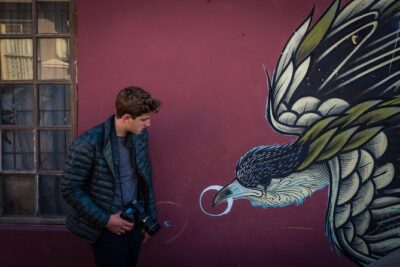
You may see large-scale works by recognized artists alongside smaller pieces and gallery activity. The exact route and artwork selection can vary, but the purpose stays clear: help you understand Cape Town through public art, local voices, and the ideas painted onto its walls.
The tour lasts two and a half hours. That gives your guide time to explain several pieces without turning the walk into a rushed checklist. It also means you should not treat this as a quick photo stop. The value comes from listening, asking questions, and noticing how each work fits the neighborhood.
More street art tours worth booking in the world:
- Medellin: Comuna 13 Graffiti Tour, Cable Car & Street Food
★ 4.8 · 9,046 reviews - CDMX: Xochimilco, Coyoacan, Frida Kahlo Museum & Murals Tour
★ 4.4 · 3,025 reviews - Amsterdam: Streetart Museum STRAAT Entrance Ticket
★ 4.8 · 2,137 reviews
What Dauriq adds to the street art walk
Dauriq is listed as the walking guide, and his role is central to the experience. You are not left to guess whether a mural is political, personal, decorative, or connected to a wider community concern. He provides context about the artist and the message, then helps you notice the techniques used to express it.
That kind of explanation can change the way you look at street art. You might first notice color and scale. After the guide’s explanation, you may start looking at lettering, symbols, layers of paint, changes in texture, or the way a work responds to the building beneath it.
The experience also makes room for Cape Town’s creative subcultures. That phrase can sound broad, but here it means the people and ideas connected to the city’s art scene. You will meet locals and see how creativity operates outside the formal museum circuit.
English is the guiding language. If you want to get the most from the walk, ask about pieces that catch your eye instead of waiting for every answer to be offered. Street art often rewards a curious question more than a quick photograph.
The route through murals, galleries, and local streets
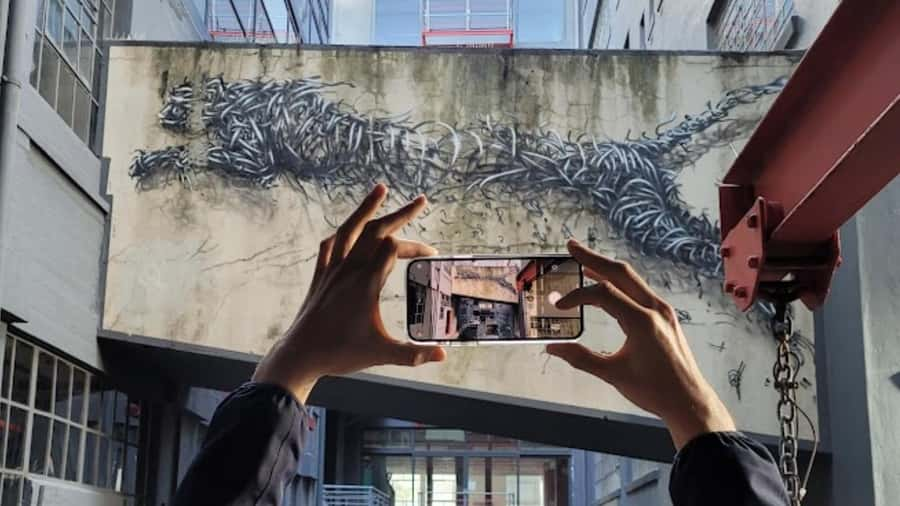
The tour is built around Woodstock and Salt River rather than a single attraction. That is both its strength and its limitation.
The strength is variety. You can expect murals, street-level artworks, and galleries, with the neighborhood itself acting as part of the experience. One wall may focus on a strong visual image. Another may carry a social message. A gallery may offer a different setting for local creativity. Moving between these spaces lets you compare public art with work shown in a more traditional art environment.
The limitation is that this is not a fixed museum visit with a guaranteed list of masterpieces. Street art can change, disappear, or be replaced. The description promises an eclectic mix of world-class work, but the appeal depends on the guide’s interpretation and the condition of the route on the day you visit.
I see that as a fair trade. You are booking access to a living art scene, not a sealed collection. Come ready to see both polished murals and the less predictable character of a working neighborhood.
The route also asks you to respect the people around you. Bring a camera, but ask permission before photographing anyone. A good street art tour should help you look more carefully at a place without treating local residents as part of the scenery.
Why the community angle matters
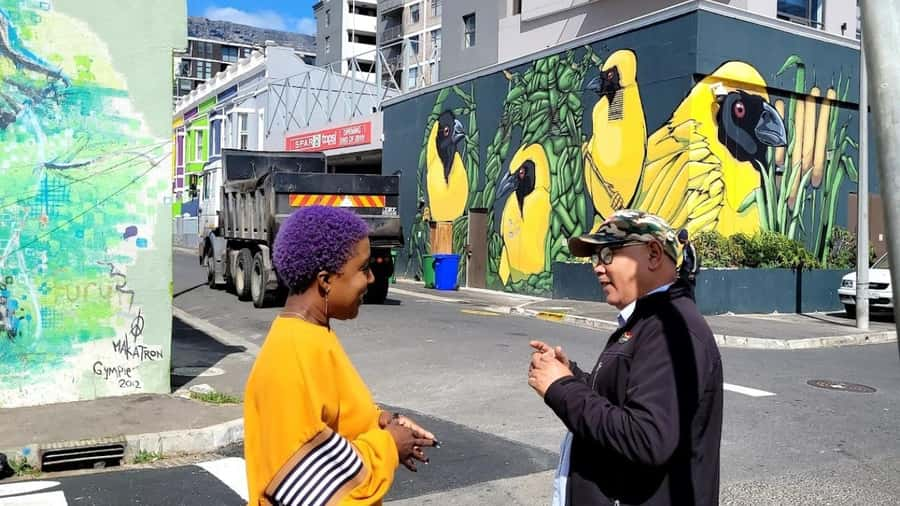
The tour connects art with the way a neighborhood presents itself and discusses its concerns. The guide explains how street art can influence and change local communities, giving you a better sense of why these works appear where they do.
That does not mean every mural will have one clear political message. Some pieces may be personal, playful, or mainly visual. The useful point is that public art exists in a shared space. People encounter it on the way to work, while shopping, or during an ordinary walk. It becomes part of daily life in a way that gallery art cannot always do.
You will also see how artists use technique to shape a message. Scale, color, line, text, and the wall itself can all affect how a piece is read. Your guide’s explanation helps connect those choices with the wider cultural scene in Cape Town.
I especially like this approach for visitors who have already seen the city’s famous sights and want something more grounded in current local life. It is not a substitute for Cape Town’s museums or historic attractions. It is a different window into the city, one that begins outdoors and keeps the neighborhood in view.
Same city, a different set of walls:
- Belfast: Murals Taxi Tour
★ 4.9 · 2,047 reviews - Wynwood Graffiti Golf Cart Small-Group Tour
★ 5.0 · 1,646 reviews - London: Street Art and Graffiti Guided Walking Tour
★ 4.9 · 1,354 reviews - Lisbon: Street Art Tour
★ 4.9 · 1,324 reviews
Pickup, meeting point, and the practical start
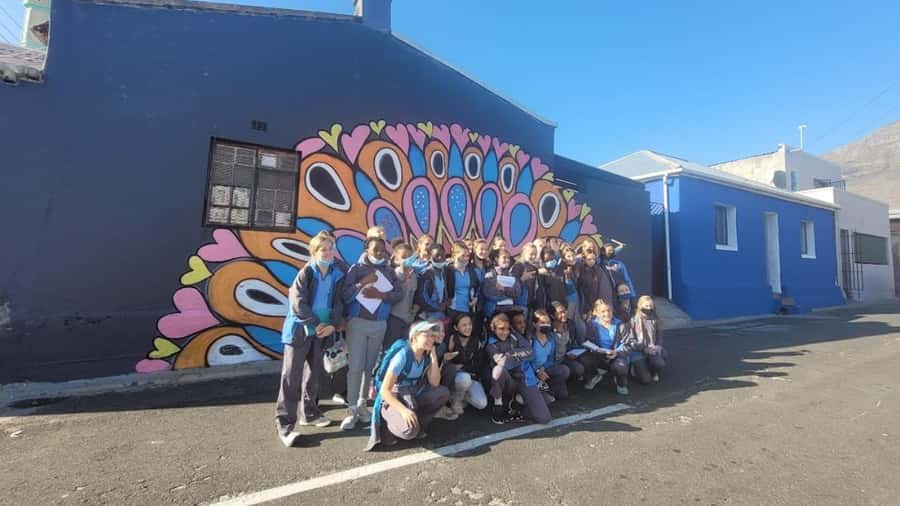
Pickup is included, and the meeting point is at the reception. The experience described for this tour includes Gail handling pickup, providing a fresh bottle of water, and taking participants comfortably to the meeting point.
That detail is useful because street art routes can be easier to enjoy when you do not have to solve the first transport problem yourself. Still, check the exact pickup arrangement and starting time when you book, since availability determines the departure time.
The tour is wheelchair accessible. Because it takes place on local streets, you may want to confirm any personal route needs in advance, especially if you require specific access arrangements. The provided information confirms accessibility, but it does not describe the surface of every street or the exact route.
Wear comfortable clothes and walking shoes. Biodegradable sunscreen is recommended, and a camera is worth bringing if you enjoy documenting murals and details. Drinks and food are not included, so plan accordingly. Souvenirs and personal expenses are also your responsibility.
Is $48 a fair price?
At $48 per person, this is not the cheapest way to look at street art. You are paying for a 150-minute guided walk, local interpretation, included transfer, and the chance to connect the artworks with the people and subcultures around them.
The value depends on what you want from the experience. If you only need a list of mural locations for photographs, you might prefer exploring independently. If you want to understand who made the pieces, what they are saying, and how they were painted, the guide adds the part you cannot get from a map.
The included pickup also improves the value, particularly if you prefer a structured start. The bottled water provided during pickup is a small but thoughtful touch, though food and drinks beyond that are not part of the tour.
I would compare this price with the cost of arranging your own transport and finding reliable information about the art. You may save money alone, but you will lose the guide’s direct explanation and local connections. For visitors who care about context, $48 is reasonable. For visitors focused only on seeing as many walls as possible, it may feel high.
Who will get the most from this experience?
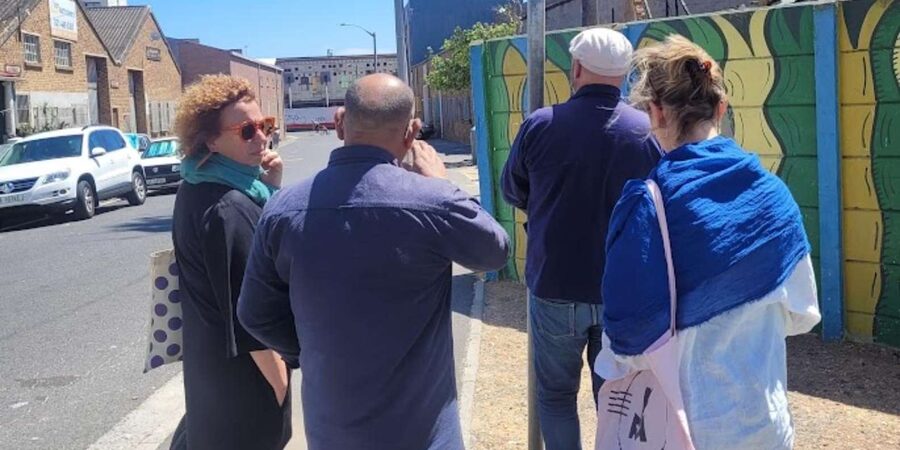
This tour suits you if you enjoy contemporary art, photography, neighborhood walks, or learning how creative work reflects local concerns. It is also a good choice if you have visited Cape Town’s major sights and want a different view of the city.
You do not need formal art training. The guide explains the work in practical terms, including the artist, message, and method. A curious eye is more useful than a background in art history.
The tour may be less suitable if you dislike walking, want a fully scripted sightseeing route, or expect every stop to be a famous landmark. Street art is changeable, and the pleasure comes from reading the surroundings as well as the artwork.
Families and mixed-interest groups may find the format helpful because murals offer an easy starting point for conversation. Still, the 150-minute length means younger children need to be comfortable with a sustained neighborhood walk. The supplied information does not specify a minimum age or child pricing, so check before booking with children.
Booking flexibility and timing
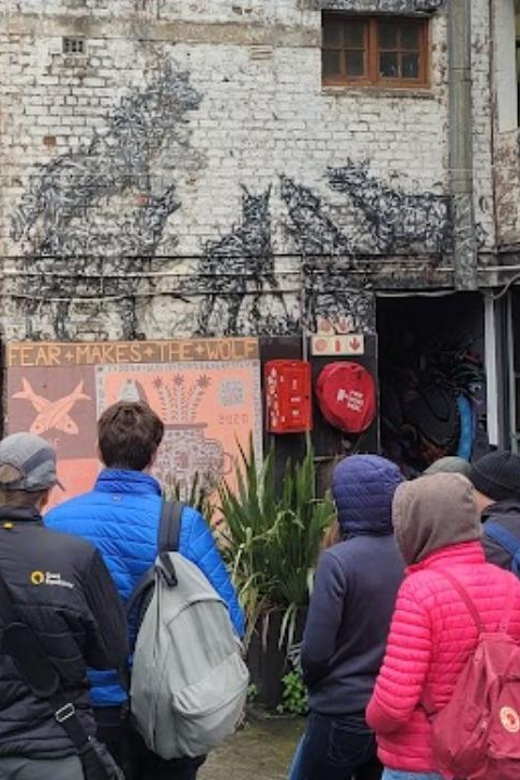
You can cancel up to 24 hours in advance for a full refund. You can also reserve now and pay later, which helps if your Cape Town schedule is still changing.
The tour is offered in English, with a live guide. Check the available start times rather than assuming a fixed departure. The activity lasts 150 minutes, but you should allow extra time for pickup and getting to the meeting point.
Since you will be outdoors, weather and sunlight can affect comfort even though no weather policy is provided. Sunscreen, suitable clothes, and water are sensible preparations. Gail’s pickup included a bottle of water in the experience described, but food and drinks are not listed as included, so do not count on refreshments during the full walk.
Should you book this Cape Town street art tour?
Book it if you want more than attractive walls. The strongest reason to go is the combination of Dauriq’s explanations, local encounters, and a real neighborhood setting. Gail’s pickup support and bottled water also make the start easier.
Skip it if your priority is a short, self-guided photo stop or a tightly fixed list of guaranteed artworks. The route depends on a living street scene, and the best moments will come from paying attention to the guide rather than rushing from mural to mural.
For $48, I think this is a good fit for art-minded visitors who want cultural context and a human connection to Woodstock and Salt River. Wear good shoes, bring your camera, ask before taking portraits, and give yourself two and a half hours to let the walls do more than decorate the street.
FAQ
Where does the street art tour take place?
The walking tour takes place in the Woodstock and Salt River neighborhoods of Cape Town, in South Africa’s Western Cape.
How long does the activity last?
The tour lasts 150 minutes, or two and a half hours.
What language is the tour conducted in?
The live guided tour is conducted in English.
Is pickup included?
Yes. Pickup is included, with the meeting point listed as the reception. The experience also includes a transfer to the walking tour meeting point.
Is the tour wheelchair accessible?
Yes, the activity is listed as wheelchair accessible.
What should I bring?
Bring comfortable shoes, comfortable clothes, a camera, and biodegradable sunscreen.
Are food and drinks included?
No. Food and drinks are not included. Souvenirs and personal expenses are also excluded.
Can I cancel or pay later?
You can cancel up to 24 hours in advance for a full refund. You can also reserve your place and pay later.
New street art tours in the world
- Your Own Belgrade: Street Art and Hidden Gems Walking Tour★ 5.0 · 2 reviews
- Xochimilco floating gardens, Coyoacan and UNAM murals★ 4.0 · 6 reviews
- Wynwood Walls Street Art & Neighborhood Walking Tour★ 4.9 · 9 reviews
- Vancouver: Street Art & Craft Beer Walking Tour with Tasting★ 4.8 · 14 reviews
- Vancouver: Street Art & Craft Coffee Walking Tour w/ Tasting★ 4.8 · 11 reviews
- Zagreb Street Art Private Walking Tour with a Local Artist★ 5.0 · 12 reviews
- UNAM: Murals & Revolution★ 4.9 · 8 reviews
- Urban Canvas: Osaka Street Art Bike Tour★ 5.0 · 10 reviews
Cape Town Mural Tours, side by side.

Lists this wall walk turns up in