Reviewed · TOURS
Nairobi: Kibera Street Art Tour with Local Artists
Kibera’s murals are not background decoration. They carry messages about education, health, politics, hope, and daily life, and local artists such as Saviour, Tony, and Anthony help you read them. I like the direct access to the artists and the chance to visit studios, galleries, and a metalworker’s workshop rather than simply walking past painted walls. I also like that your fee supports a local art collective. The main consideration is that this is a walking tour through an active settlement, not a polished sightseeing district, so you must be comfortable with uneven conditions, limited privacy, and respectful photography.
- Local artist guides: Meet artists from Sun Valley Art Collective, many of whom grew up in Kibera.
- Murals with a message: Learn how public art addresses education, health, community life, and social issues.
- Small-group feel: One guide is provided for every two guests, allowing plenty of time for questions.
- Art beyond murals: Visit studios, a gallery, and artists working with recycled metal and glass.
- Street-food option: Sample favorite local snacks if requested.
- Practical finish: End near Olympic Stage, where you can arrange an Uber, taxi, or matatu.
Why Kibera’s Art Tells a Bigger Story

This 150-minute walk gives you a different way to understand Kibera. Instead of treating the settlement as a place to observe from a distance, the tour centers the people who live and work there. The guides explain the ideas behind the murals, introduce you to other artists, and describe how creative work can support young people and community projects.
That distinction matters. A quick pass through Kibera can easily reduce the area to poverty and crowded streets. Here, the focus includes those realities, but it also makes room for talent, humor, ambition, education, sports, health programs, and local organizing. You hear about the place from young artists who grew up there and now act as ambassadors for their community.
I especially appreciate the tour’s balance. It does not present Kibera as either a problem to be solved or an idealized creative quarter. You see working neighborhoods and people going about their routines, while also learning about the effort behind the art. The result is more personal and more honest than a standard sightseeing stop.
The group size helps. One guide for every two guests is unusually attentive for a walking tour. You can ask about a mural’s political meaning, an artist’s materials, or the practical side of making and selling art without waiting for a large group to catch up.
Meeting at Gateway Supermarket

The tour begins outside Gateway Supermarket on Kibera Station Road, near Jamhuri Estate. The meeting area is described as safe, but there is no parking, so arriving by Uber or taxi is the sensible choice. Confirm the exact map location before setting out, especially if you are unfamiliar with Nairobi.
From the start, expect a local neighborhood rather than a formal attraction. The walk moves through places where people live, work, shop, and socialize. That makes the experience more immediate, but it also means you need to pay attention to your footing and surroundings.
Wear comfortable, closed-toe shoes. A hat, water, and a camera are useful, though photography is not automatic. Ask before taking pictures, and follow your guides when they say a moment or person should remain private. The request is simple: treat the area as a community first and a sightseeing stop second.
More street art tours worth booking in the world:
- Medellin: Comuna 13 Graffiti Tour, Cable Car & Street Food
★ 4.8 · 9,046 reviews - CDMX: Xochimilco, Coyoacan, Frida Kahlo Museum & Murals Tour
★ 4.4 · 3,025 reviews - Amsterdam: Streetart Museum STRAAT Entrance Ticket
★ 4.8 · 2,137 reviews
Reading the Murals of Kibera
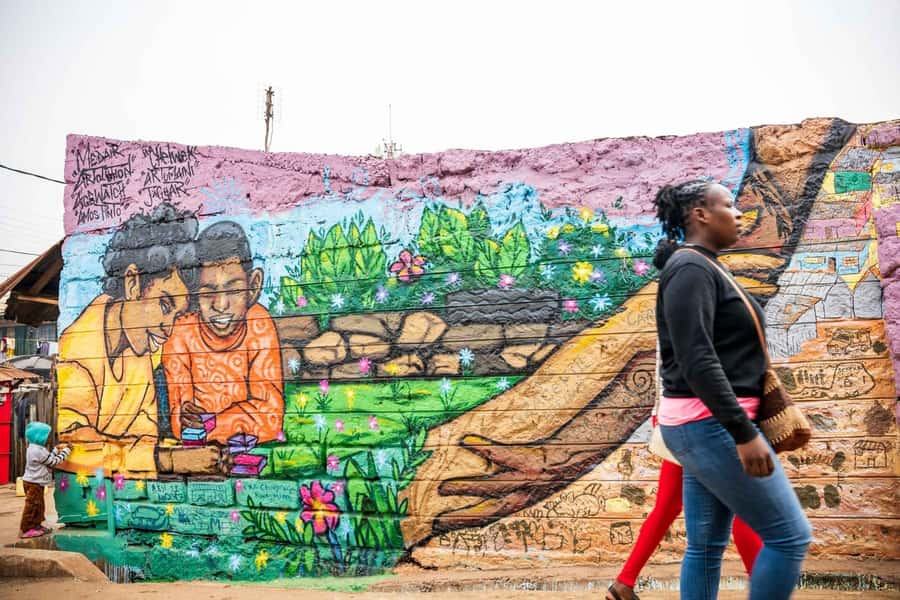
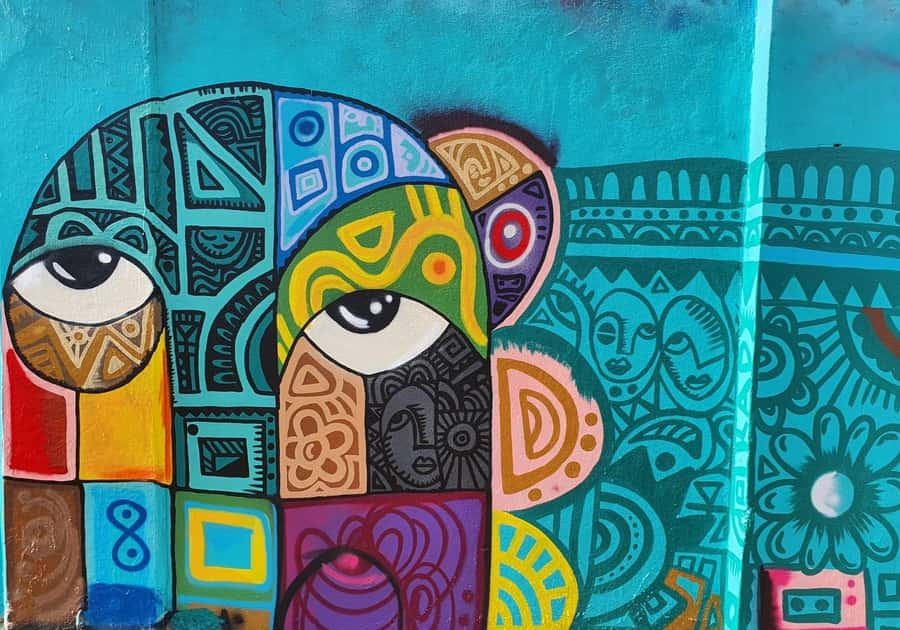
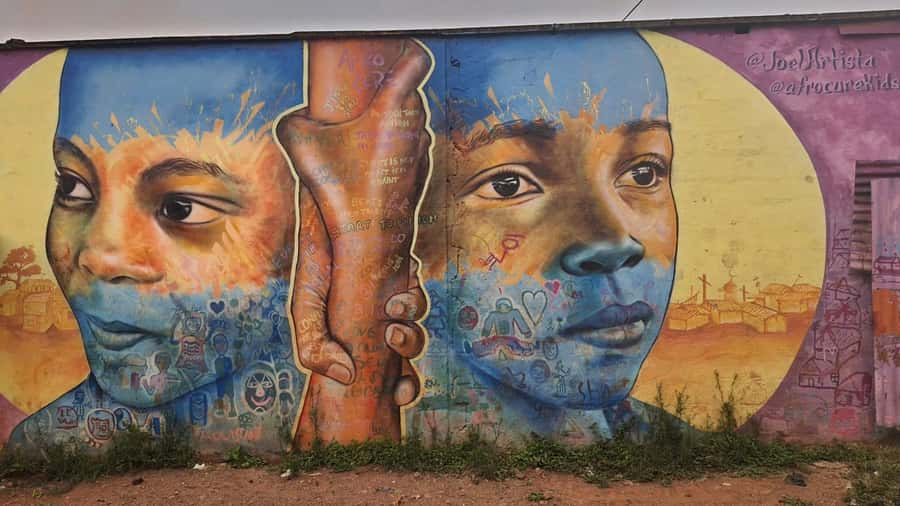
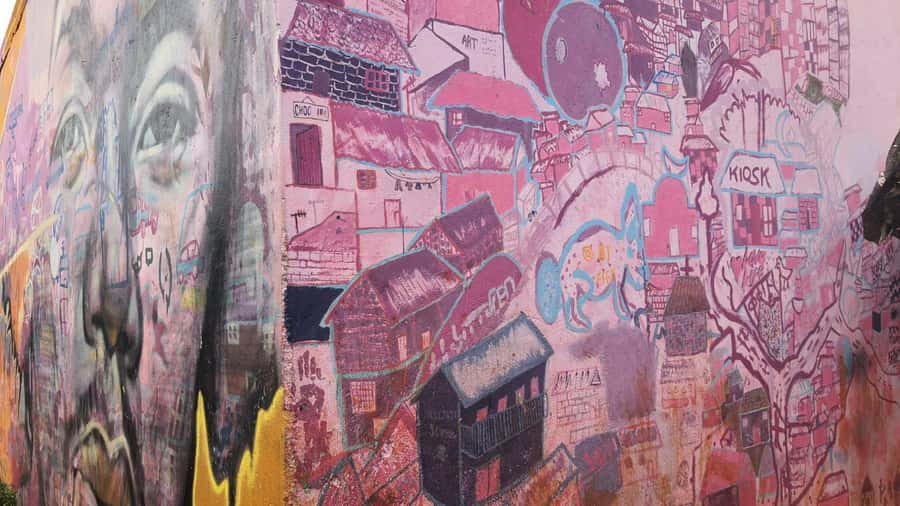
The first major part of the walk focuses on public murals and urban art scattered through Kibera. These are not presented as a quick series of colorful photo stops. Your guides explain who made them, what inspired them, and how collaborative painting can give local residents a way to discuss difficult subjects.
The murals often connect art with practical community concerns. You may hear about education, health, sports groups, creativity programs, and efforts to give young people useful outlets. The art becomes a doorway into local life, rather than an isolated display.
This is where Saviour and Anthony, also referred to as Tony, add real value. They can explain the work from an artist’s point of view and connect it to their own experience of growing up in Kibera. Their role is not simply to point out paintings. They help you understand why a wall was painted, what message it carries, and how local artists see their responsibilities.
The public setting also brings an important limit. Murals may be located along busy paths, near homes, or beside ordinary work spaces. You will not be moving through a museum with clear boundaries and quiet viewing areas. Keep your camera ready, but do not let photography replace listening or respectful behavior.
Meeting the People Behind the Paint
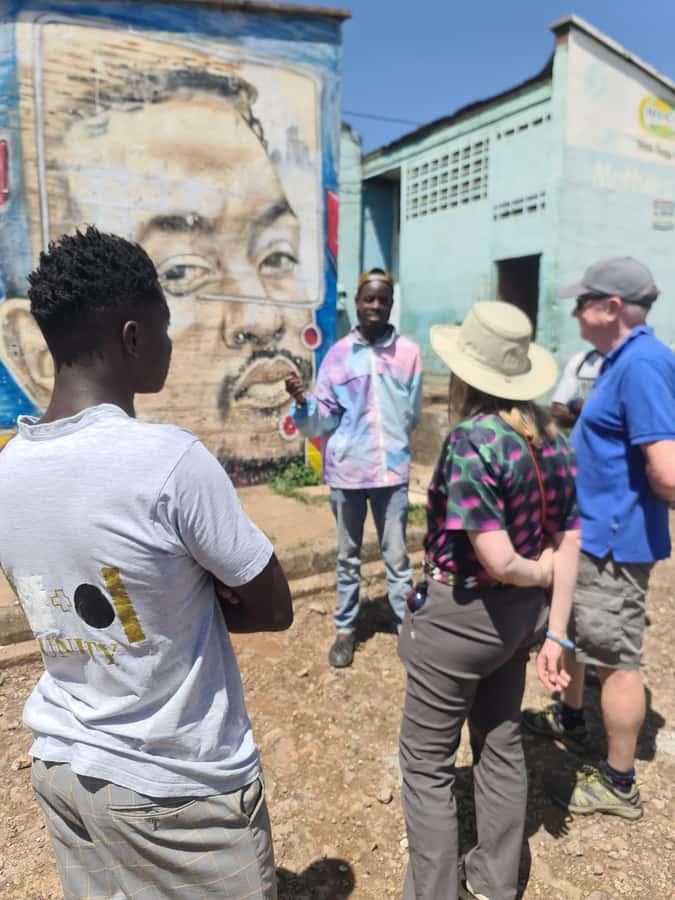
The tour includes visits to local artists, art collectives, houses, and studios. This is one of its strongest features because it takes you behind the finished wall. You can learn about the artists’ motivation, their creative process, and their attempts to use art to improve life in their community.
Sun Valley Art Collective includes about 15 local artists who grew up in Kibera. The collective gives them a place for creative expression and a way to show or sell their work. It also offers a hopeful path for young people who may not find many formal platforms for artistic work.
At the collective’s premises, you may see paintings and objects made from recycled metal. The tour can also introduce you to other local makers, including a welder who turns discarded metal into animal figures. Another stop may feature an exhibition by a different painter, while a gallery displays work from several artists, including blown glass made from recycled glass.
These encounters make the tour feel broader than a mural walk. You see painting, metalwork, glass, and collaborative projects in one compact route. You also get a clearer idea of how art circulates locally: artists create, display, explain, and sell their work through personal connections and shared spaces.
Street Food Along the Route
Street-food samples are included on request, and the guides stop at favorite vendors along the way. This adds a small but useful local detail to a tour that could otherwise feel focused only on art and explanation.
If you want to try the food, mention it when booking or before the walk begins. The supplied information does not promise a fixed menu, so treat this as a flexible tasting opportunity rather than a full meal. Bring water and a snack of your own, particularly if you have dietary restrictions or prefer to know exactly what you are eating.
The food stop also helps you see the area as a lived-in neighborhood. Vendors are serving local customers, not putting on a performance for a tour group. Be polite, follow your guide’s lead, and avoid littering. A little awareness goes a long way in a busy community setting.
Same city, a different set of walls:
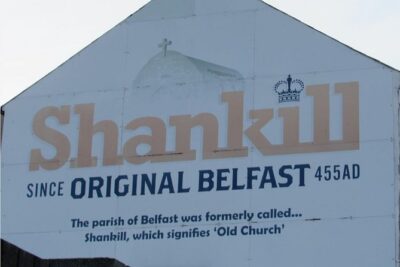
- Belfast: Murals Taxi Tour
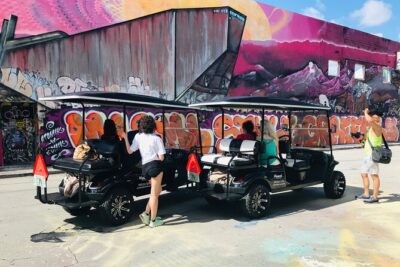
★ 4.9 · 2,047 reviews - Wynwood Graffiti Golf Cart Small-Group Tour
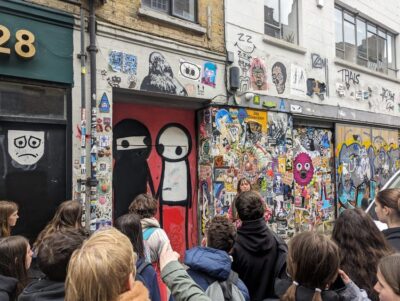
★ 5.0 · 1,646 reviews - London: Street Art and Graffiti Guided Walking Tour
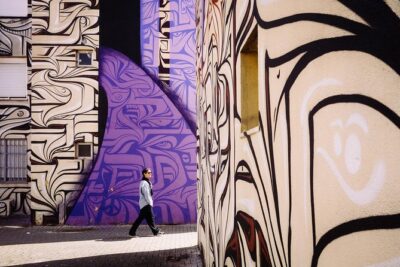
★ 4.9 · 1,354 reviews - Lisbon: Street Art Tour
★ 4.9 · 1,324 reviews
Buying Art Directly From Local Artists
You will have several chances to purchase artwork during the walk. Pieces may be available at studios, the collective, or galleries visited along the route. Buying directly from the artists gives you a tangible reminder of the day and puts money into the local creative economy.
This is not an obligation, and the artwork is not included in the $45 tour price. Bring this extra cost into your planning if you think you may want a painting, recycled-metal object, or another piece. Prices and available work are not specified, so ask the artist directly about the piece, materials, and price.
A purchase can also help you remember the stories behind the work. One participant bought a painting by Saviour and took it home as a personal reminder of the visit. That is a more meaningful souvenir than a generic Nairobi gift because you have met the person who made it and heard what shaped the work.
What the $45 Price Really Buys

At $45 per person, this is not the cheapest way to spend two and a half hours in Nairobi. Its value depends on what you want from a tour. You are paying for a small-group experience, local artist guides, interpretation of the murals, introductions to other makers, and access to studios and galleries that would be difficult to arrange independently.
The guide ratio is a major part of the value. With one guide for every two guests, you should have room for questions and a more personal exchange. That matters here because the meaning of the tour depends on conversation. A large group would make it harder to discuss personal experiences, social issues, or the details of a particular artwork.
The price also supports the work of Sun Valley Art Collective. That does not make the tour automatically right for everyone, but it gives the payment a clear local purpose. If you prefer experiences that put money and attention into community-led projects, this is a strong point.
The cost is less appealing if you want a relaxed, purely visual art walk or a predictable food tour. Conditions are informal, the route passes through an active settlement, and the focus is as much on people and context as on finished art.
Timing, Walking, and Physical Demands
The advertised duration is 150 minutes, with the walk itself described as roughly two to three hours. Plan for the full period rather than assuming a quick stop. You will be on foot through Kibera, with visits and conversations breaking up the route.
Comfortable, closed-toe shoes are essential. The experience is not suitable for wheelchair users or people with mobility impairments. The information provided does not give a precise distance or describe every surface, so anyone with concerns should contact the provider before booking.
The pace may vary because the tour includes conversation, studio visits, art displays, and possible food stops. It is not a race from mural to mural. You should be prepared to pause, listen, and allow time for the artists to explain their work.
English and Swahili are available. If you have special needs or requests, the provider says it is flexible, so ask in advance rather than leaving an important concern until the meeting point.
Ending Near Olympic Stage
The walk finishes at HOF Gallery Kibera, near Olympic Stage. This is a useful ending because you are not left searching for transport from an unfamiliar location. You can call an Uber or taxi, or take a matatu to your next stop.
There is no parking at the starting point, so using hired transport at both ends is the simplest plan. If you are continuing elsewhere in Nairobi, allow a little extra time after the official finish to arrange your ride.
The final gallery stop also gives the tour a natural shape. You begin with public murals, move into personal studios and community art spaces, and finish among work that can be viewed or bought. It feels less like a single photo walk and more like an introduction to a local network of artists.
Who Will Get the Most From This Tour
I would recommend this experience to you if you want to hear directly from local artists and are willing to meet Kibera on its own terms. It suits people who care about public art, community projects, social issues, and small-scale creative work.
It is especially useful for:
- Art lovers who want context, not just photographs.
- First-time Nairobi visitors seeking a community-led experience.
- People who like meeting makers in their studios.
- Anyone interested in recycled materials, collaborative murals, or youth programs.
- Visitors happy to try a local snack and shop directly from artists.
I would think twice if you need smooth paths, a quiet museum setting, guaranteed food choices, or a fully scripted sightseeing route. You should also be comfortable with the fact that ordinary residents are present throughout the walk. Respect and patience are not optional extras here.
The tour has a perfect rating from seven recorded bookings, with strong praise for the guides’ warmth, clear explanations, artistic skill, and commitment to their community. I would treat that as encouraging rather than as a guarantee of a particular day. Guide availability and the exact route can vary, but the core idea is clear: local artists lead you through the place they know best.
Should You Book the Kibera Street Art Tour?
Book it if you want a thoughtful, locally led look at Kibera that connects murals with real people and community work. The strongest parts are the small guide-to-guest ratio, the chance to meet artists such as Saviour and Anthony, and the variety of work, from painted walls to recycled-metal animals and blown-glass pieces.
Skip it if you are looking for a conventional city tour with easy walking, fixed meal arrangements, and little contact with daily neighborhood life. For the right person, the $45 price buys more than a route through Kibera. It buys time with artists who can explain their home, their work, and their hopes in their own words.
FAQ
Where does the Kibera art tour begin?
The tour begins outside Gateway Supermarket on Kibera Station Road. The location is described as safe, but there is no parking, so Uber or a taxi is recommended.
How long does the experience last?
The stated duration is 150 minutes. The tour description also gives a general length of two to three hours.
Where does the tour finish?
The walk finishes at HOF Gallery Kibera, near Olympic Stage. From there, you can call an Uber or taxi, or take a matatu.
What languages are available?
The live guides speak English and Swahili.
Is street food included?
Street-food samples are available on request. A fixed menu is not specified, so ask the provider about your preference before or during the tour.
Can I buy artwork during the tour?
Yes. You can purchase artwork directly from local artists at studios, galleries, or collective spaces visited during the walk. Artwork is not included in the tour price.
Is the tour suitable for wheelchair users?
No. The experience is not suitable for wheelchair users or people with mobility impairments. Comfortable, closed-toe shoes are recommended.
New street art tours in the world
- Your Own Belgrade: Street Art and Hidden Gems Walking Tour★ 5.0 · 2 reviews
- Wynwood Walls Street Art & Neighborhood Walking Tour★ 4.9 · 9 reviews
- Xochimilco floating gardens, Coyoacan and UNAM murals★ 4.0 · 6 reviews
- Vancouver: Street Art & Craft Beer Walking Tour with Tasting★ 4.8 · 14 reviews
- Vancouver: Street Art & Craft Coffee Walking Tour w/ Tasting★ 4.8 · 11 reviews
- Zagreb Street Art Private Walking Tour with a Local Artist★ 5.0 · 12 reviews
- UNAM: Murals & Revolution★ 4.9 · 8 reviews
- Urban Canvas: Osaka Street Art Bike Tour★ 5.0 · 10 reviews
Tours, side by side.
Comuna 13 Graffiti Tour, Cable Car & Street Food
Read our review →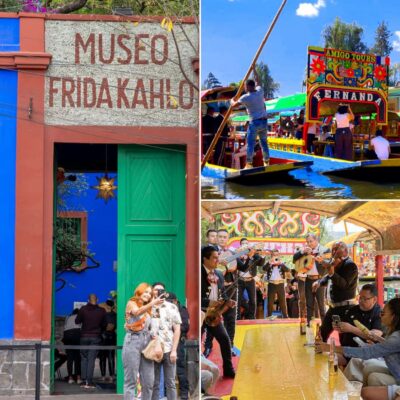
Xochimilco, Coyoacan, Frida Kahlo Museum & Murals Tour
Read our review →