
Reviewed · STREET ART WALKING TOURS
Lisbon: Street Art and Historical Walking Tour
Lisbon’s street art makes a fine doorway into the city. This three-hour walk through Graça, Mouraria, and Alfama links bold urban art with old lanes, local politics, and wide views over the rooftops and Tagus.
I like two things in particular: the group is limited to eight people, and the guide gives context instead of simply pointing at painted walls. You also begin at Miradouro da Graça, so the city opens before the walking really gets going.
The catch is the ground under your feet. Hills, cracks, protruding stone tiles, and traffic crossings call for sturdy shoes and a steady step. This is not a good choice if you have a mobility impairment.
Key points to know before you book
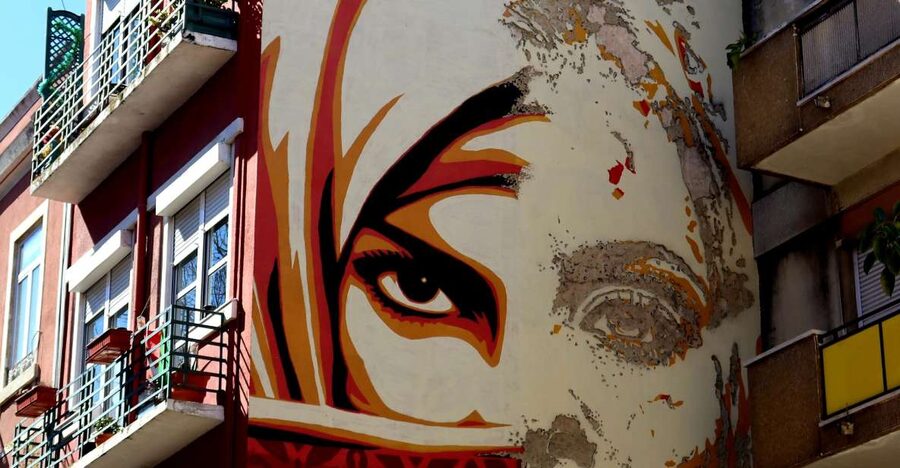
- Start above the city at Miradouro da Graça: Meet by the church at Miradouro Sophia de Mello Breyner Andresen, with a broad view across Lisbon.
- See permitted street art by major names: The route includes work associated with Vhils, Nomen, Odeith, and Gonçalo Mar.
- Connect art with politics and history: Guides such as Rui, Andriy, and Andre explain the artists, their motives, and Lisbon’s changing neighborhoods.
- Walk through three old districts: Graça, Mouraria, and Alfama offer a look beyond the postcard center.
- Expect a small English-speaking group: No more than eight people makes it easier to ask questions and keep up with the guide.
- Plan for uneven streets: Much of the route goes downhill, but the paving is not always friendly to weak ankles or wheels.
Why Lisbon’s street art works so well as a city tour
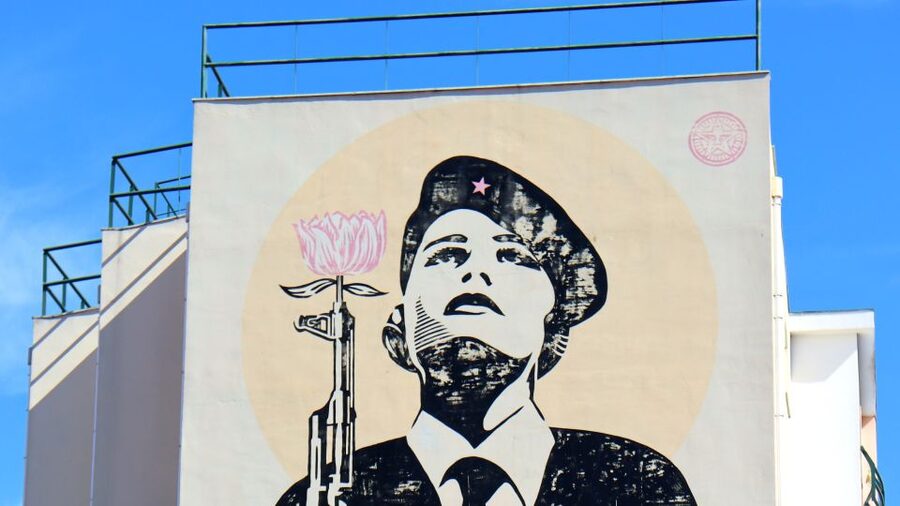
Lisbon is often introduced through tiled facades, yellow trams, fado, and hilltop viewpoints. Those are all worth your time, but street art adds a more current voice. A painted wall can tell you about migration, inequality, local pride, politics, or the changing face of a neighborhood.
That is the real value of this tour. You are not simply collecting photographs of colorful walls. You are learning why particular artists matter and how their work fits the city around it.
The route focuses on artists such as Vhils, Nomen, Odeith, and Gonçalo Mar. Each has a different visual language, so the walk should feel varied rather than like a long row of similar murals. Your guide puts names and ideas to what you see, which helps you notice technique, scale, location, and subject.
I would not book this only if you want a formal art lecture. The experience also covers everyday Lisbon, local districts, and the city’s past. It works best for someone who likes art but also wants to understand the streets where that art appears.
More Street Art Walking Tours in Lisbon
- Lisbon: Kickstart Street Art Walking Tour
★ 4.9 · 717 reviews - 3-Hour Guided Street Art Walking Tour of Lisbon
★ 5.0 · 278 reviews - Lisbon Street Art Walking Tour
★ 5.0 · 141 reviews
Starting at Miradouro da Graça
The meeting point is by the church at Miradouro Sophia de Mello Breyner Andresen, commonly called Miradouro da Graça. The address is Calçada da Graça, 1100-265 Lisboa.
This is a useful starting place because you get your first city view before entering the lanes. From the lookout, you can take in Lisbon’s rooftops, the Tagus area, and the large sweep of the city. You can also see São Jorge Castle from the wider viewpoint area, giving you an instant sense of how the old districts sit on Lisbon’s hills.
Arrive with time to find the church and lookout. The meeting point is not a hotel lobby or a central transport terminal, and the tour does not include pickup. You make your own way there, then meet the English-speaking guide at the stated spot.
The opening view also sets up the route. You begin high, then work through older neighborhoods toward the eastern side of the city. One useful feature is that much of the walk is downhill, though you should not read that as easy strolling. Lisbon’s stone paving can be rough, and downhill walking can be hard on knees.
Graça: the first layer of art and city views
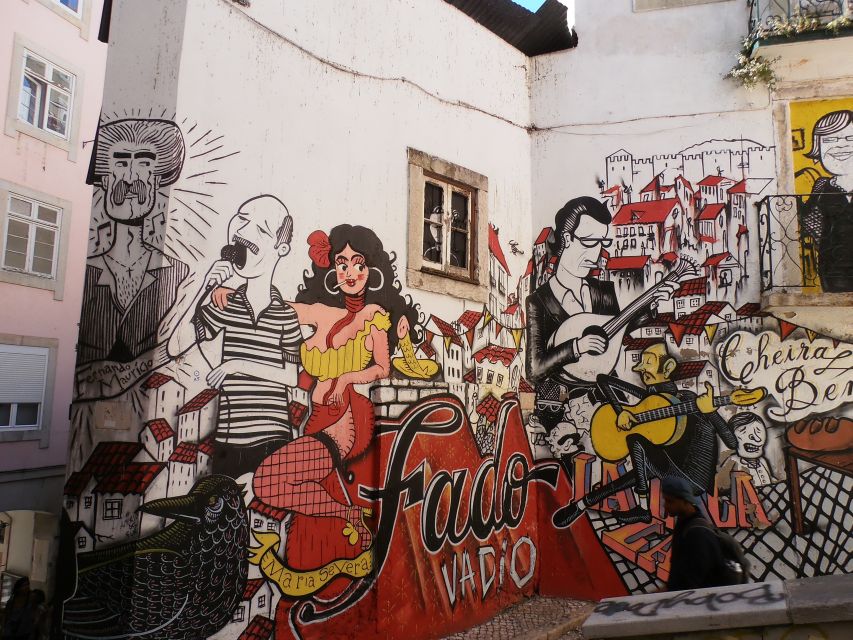
Graça gives the tour room to explain how Lisbon’s elevated neighborhoods shape daily life. The streets and viewpoints show the city from above, while the artwork brings attention back to street level.
Here, the guide may point out works by local and international urban artists, including Vhils, Nomen, Odeith, and Gonçalo Mar. The important part is the explanation around the work. A good guide can help you look at the artist’s choices, the public setting, and the ideas carried by the image.
Rui has led this experience, and his approach has been described as especially focused on the artists and their motives. Other named guides include Andriy and Andre. Guide assignments can change, so do not book on the assumption that one particular person will lead your date. The useful promise is the format: a local licensed guide speaking English, with time for questions in a small group.
Graça also gives you a chance to settle into the pace. This is a walking tour, not a vehicle-based sightseeing trip with quick photo stops. You need to look up, look around corners, and keep an eye on the pavement at the same time.
Mouraria and Alfama beyond the postcard route
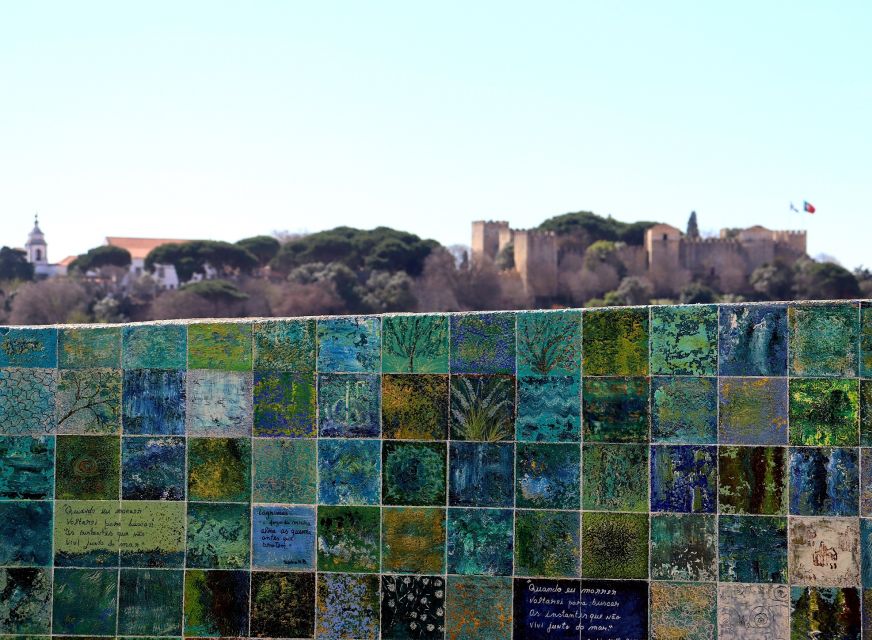
The walk continues toward Mouraria and Alfama, two districts that give the tour much of its character. These neighborhoods are central to Lisbon’s old urban fabric, but the experience aims to show more than the standard postcard views.
Mouraria and Alfama can feel close together on a map and still demand slow walking. Lanes rise, drop, bend, and narrow. The streets can reveal small details that are easy to miss when you are focused only on major sights.
The guide talks about life in the city as well as what to see and do. That makes the route useful early in your visit. You can ask about places to return to, neighborhoods to explore, and ways to spend the rest of your Lisbon stay.
You also get a sense of how street art sits beside older buildings and long-established neighborhoods. That contrast is one of the strongest reasons to choose this tour. The art is current, but the streets carry layers of cultural memory.
The practical limit is comfort. You may deal with uneven paving, cracks, protruding tiles, and vehicle traffic. Wear shoes with a firm sole, stay alert at crossings, and do not expect the smooth footing of a museum or paved park.
More Street Art Walking Tours in Portugal
- Lisbon: Street Art Walk
★ 5.0 · 79 reviews - Lisbon Street Art Walk
★ 5.0 · 17 reviews
Miradouro Portas do Sol and São Jorge Castle
As the route heads east, it reaches lookout points such as Miradouro Portas do Sol. This is one of the most rewarding pauses because the view gives you a fresh angle on Lisbon’s rooftops and the river area.
The lookout also helps connect the city’s parts. From above, you can better understand why Lisbon feels like a city of separate quarters rather than one flat center. Alfama’s tight lanes, the tiled roofs, and the broad horizon all come into view.
São Jorge Castle is another major visual marker along the route. The tour does not list castle entry, so treat the fortress as a landmark to see and discuss, not as an included visit inside the walls. Your guide explains its place in Lisbon’s cultural heritage while keeping the focus on the surrounding districts and art.
This is an important distinction for planning. If you want to tour the castle interiors, set aside another visit and budget for a separate ticket. This walk gives you context and views, not a castle admission.
The guide makes the difference
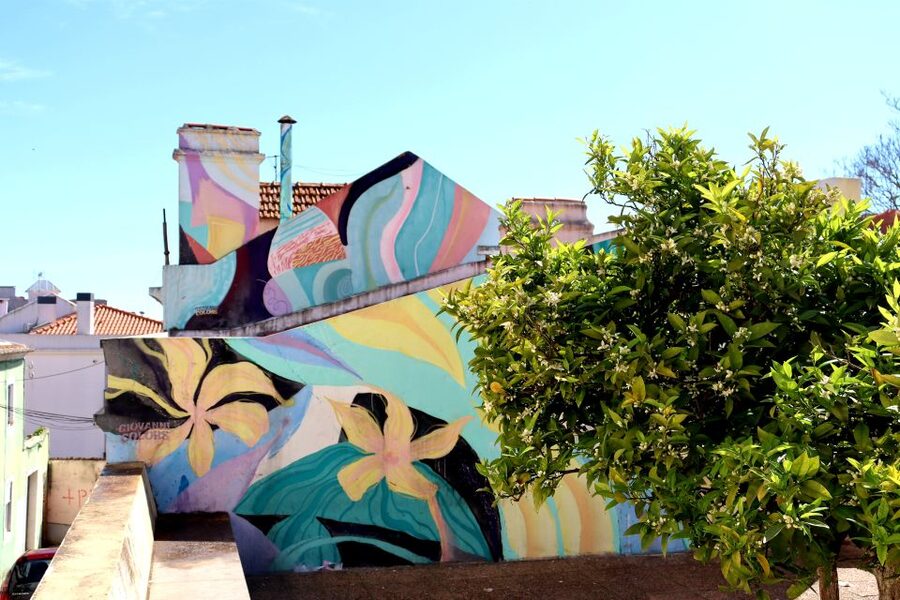
Street art is easy to see and harder to interpret. Without context, you may remember a face, a stencil, or a large wall, but not understand why it matters. The guide’s role is to connect the work to the artist and to Lisbon.
The strongest part of the experience is the reported attention to history, politics, and literature as they relate to the art. That gives the tour more substance than a list of artist names. You learn to look for the message and the setting, not just the color.
Rui has been singled out for being personable, patient, and deeply interested in the subject. Andriy has also led the route, and Andre has been praised for explaining both graffiti and the artists behind it. The company is My Lisbon Tours, and the group size is limited to eight.
Small groups matter here. A large crowd would make it harder to stop on narrow streets or gather around a piece without blocking the pavement. With eight or fewer people, you should have a better chance to ask about a specific artist or return to a point you did not catch.
Still, guide style can vary. A person who wants a fast list of sights may find the explanations too detailed, while someone interested in urban culture will likely appreciate the extra layer.
What the $35 price includes
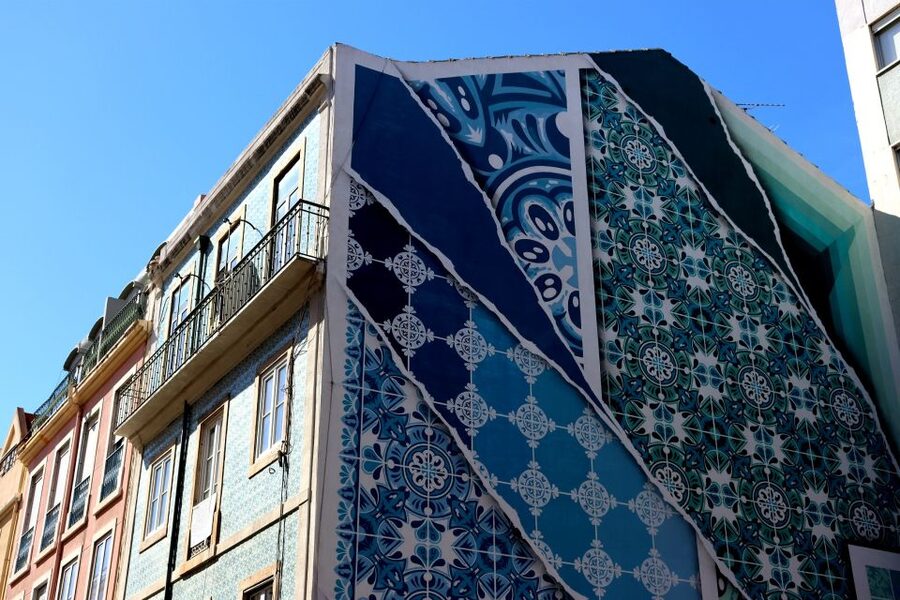
At $35 per person, the tour is priced as a modest half-day activity. The fee covers the guide and local taxes and fees. It does not cover meals, drinks, hotel pickup, hotel drop-off, castle entry, or other attractions.
I think the price makes sense if you want a focused introduction to Lisbon’s art scene and older eastern districts in one outing. A private guide would cost far more, while a large free walk would not offer the same small-group setting or specialist focus.
The value also comes from the route. You are seeing viewpoints, historic neighborhoods, public art, and city landmarks in three hours. That saves you from working out the connections yourself, especially if this is your first time in Lisbon.
The tour is less useful if you only want the famous central sights or prefer to explore slowly on your own. You will not have unlimited time at each mural, and the guide controls the pace. Consider it a structured introduction, then return later to the places that catch your eye.
How hard is the three-hour walk?
The tour lasts three hours and involves continuous walking through hilly districts. The route is described as mostly downhill by a past participant, but that does not remove the need for balance and stamina.
Lisbon’s pavement can be uneven, and the route includes cracks, raised stones, and traffic areas. The guide pays attention to safety, but you still need to watch your footing. Comfortable walking shoes are specifically recommended.
This outing is not suitable for people with mobility impairments. A stroller, wheelchair, or anyone who struggles with steep streets and rough paving should choose a different way to see the city.
There are no meals or drinks included. Bring what you need for three hours, especially in warm weather, but do not expect a scheduled food stop. The supplied details do not promise a restroom break either, so plan ahead before meeting.
Who will get the most from this tour?
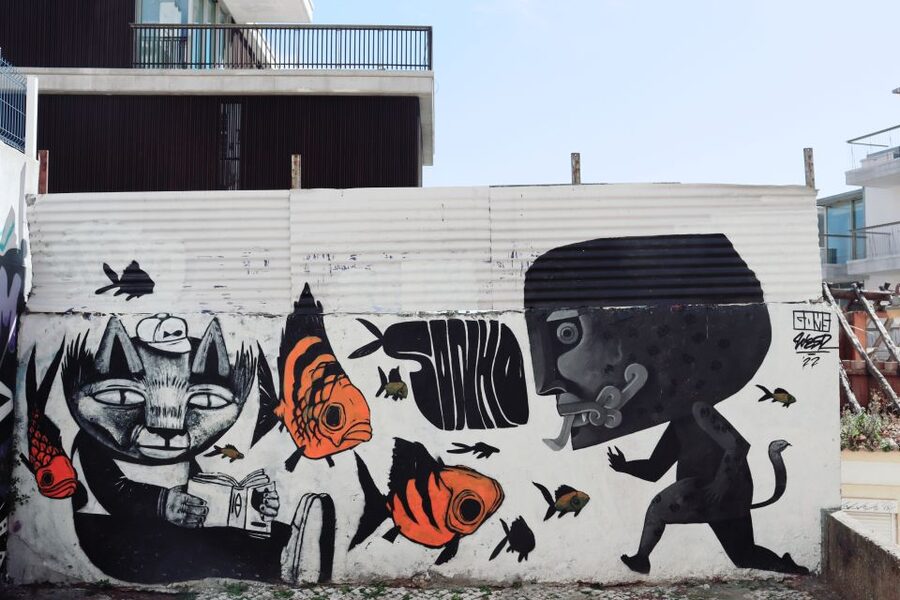
I would choose this for a first or second visit to Lisbon if you want to see something beyond the main tourist circuit. It suits art lovers, but you do not need formal art training. The guide explains the work in a way that can appeal to someone who normally walks past graffiti without a second look.
It is also a good match for people interested in politics, literature, local identity, and the way cities change. The art serves as a starting point for wider conversations about Lisbon.
Families with older children or teenagers may find the subject more engaging than a traditional monument tour, provided everyone can manage the hills. The small group and visual subject should help keep the outing personal.
I would skip it if you need a fully accessible route, dislike uneven streets, or want a relaxed sit-down activity. I would also skip it if your main goal is entry into São Jorge Castle, since the castle is viewed and discussed rather than included as an interior visit.
Booking and meeting details worth knowing
You can cancel up to 24 hours before the start for a full refund, and the reserve-now, pay-later option keeps your plans flexible. Starting times vary, so check availability for your date.
The tour is conducted in English. There is one live guide rather than an audio system, which means you can ask questions and follow the conversation. The group is capped at eight people.
Meet at the church by Miradouro da Graça, not at your hotel. Since the tour begins at a hilltop viewpoint, allow time to get there and confirm the exact meeting spot before setting out.
Wear comfortable shoes with good grip. That simple choice will do more for your enjoyment than any other packing decision.
Should you book the Lisbon Street Art and Historical Walking Tour?
Book it if you want public art with a human and political story, not just a photo stop. The combination of Graça’s views, Mouraria and Alfama’s older streets, Portas do Sol, São Jorge Castle views, and a small English-speaking group gives you a useful three-hour introduction to Lisbon’s eastern side.
The $35 cost is fair for a guided route of this length, especially with no more than eight people. Just be honest about the walking. Rough paving, hills, traffic, and three hours on your feet are part of the deal.
For an accessible or slow-paced sightseeing day, choose another activity. For a curious visitor who wants art, local context, and excellent city views in one outing, this is a strong choice.
FAQ
Where does the tour meet?
Meet by the church at Miradouro Sophia de Mello Breyner Andresen, also known as Miradouro da Graça. The address is Calçada da Graça, 1100-265 Lisboa, Portugal.
How long does the tour last?
The walking tour lasts three hours.
What language is the tour conducted in?
The live tour guide speaks English.
How many people are in the group?
The group is limited to eight participants.
Which Lisbon neighborhoods does the route visit?
The tour visits Graça, Mouraria, and Alfama, with stops at or near viewpoints including Miradouro da Graça and Miradouro Portas do Sol.
Which street artists might you see?
The route includes work by artists such as Vhils, Nomen, Odeith, and Gonçalo Mar.
Is São Jorge Castle included?
You can see and learn about São Jorge Castle during the walk, but castle admission is not listed as an inclusion.
What should you bring, and is the tour accessible?
Bring comfortable walking shoes. The route includes hills and uneven paving, and the activity is not suitable for people with mobility impairments.
More history behind the walls in Lisbon
- 3-Hour Atlanta Beltline Food, Street Art and History Tour
★ 5.0 · 345 reviews - History and Murals: Walking Tour Guadalajara
★ 5.0 · 237 reviews - Walking Tour – Impressive murals in Historical Center of Mexico City
★ 5.0 · 224 reviews - Private Political History & Murals Tour Belfast
★ 5.0 · 182 reviews
New street art tours in Lisbon
- Street Art – Tuk Tuk Tour★ 5.0 · 17 reviews
- Lisbon Street Art and Lookout Point Tour★ 5.0 · 17 reviews
- Private Tuk Tuk of the Old Town Lisbon and Street Art Highlights★ 5.0 · 20 reviews
- Street Art Tour by Tuk Tuk Joy★ 5.0 · 2 reviews
- Lisbon Street Art – Private Tuk Tuk Tour with pickup★ 5.0 · 17 reviews
- Lisbon Street Art Walk★ 5.0 · 17 reviews
- Discover Lisbon’s Best Street Art★ 5.0 · 6 reviews
- Street Art at Lisbon★ 5.0 · 2 reviews
Street Art Walking Tours, side by side.


Naples Spanish Quarters Walking Tour Street Art, Folklore & Sweet
Read our review →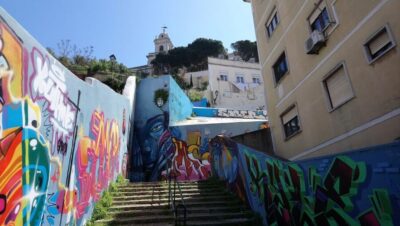

Brooklyn Graffiti & Street Art Walking Tour in Bushwick
Read our review →