Reviewed · MURAL TOURS
Hands On Chinese Cave Murals with Local Expert
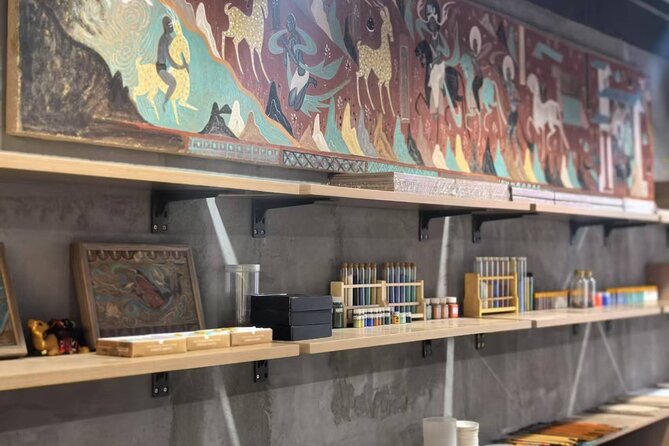
The unusual pleasure here is getting your hands on the same basic art materials used to recreate ancient Dunhuang mural designs. You choose a Buddha, Bodhisattva, or the mythical Nine-colored Deer, then work with mineral pigments on a clay board in a quiet Shanghai studio. This is not a quick craft stop. It is a slow, focused lesson in how color, line, and patience shape Chinese religious art.
I like the personal choice of subject, since you are not handed one fixed pattern, and I like the teacher’s careful help with color mixing and technique. The peaceful classroom also gives the three-hour session a welcome change of pace from Shanghai’s busy streets. The main consideration is that this suits people who enjoy careful handwork. If you want a fast sightseeing activity, three hours may feel long.
Key points to know before booking
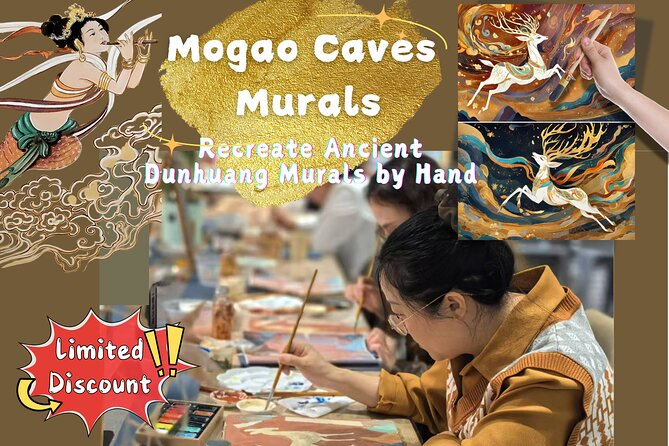
- Choose your own mural subject: Work with a Buddha, Bodhisattva, or the Nine-colored Deer from Chinese folklore.
- Use traditional-style materials: Paint on a clay board with natural mineral pigments and brushes.
- Get patient instruction: The teacher explains the art and cultural background, then helps you adjust colors and details.
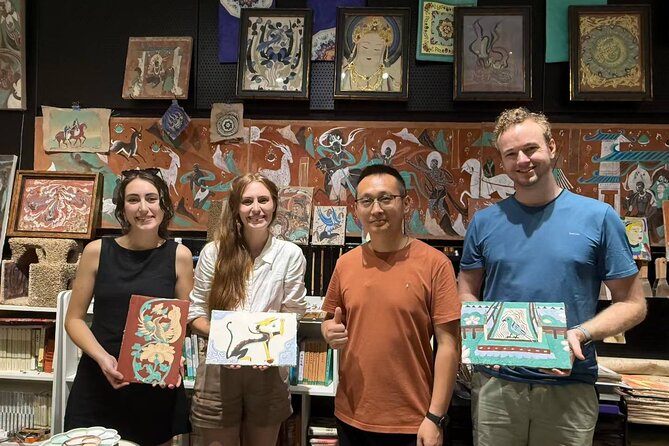
- Leave with handmade art: Your finished piece is created during the workshop, not selected from a shelf.
- Expect a quiet three-hour class: The setting is calm and focused, with a maximum of 20 people.
- Meet in Xuhui District: The address is 515 Yi Shan Lu, with the activity ending back at the same place.
Why a Shanghai mural workshop is worth your time
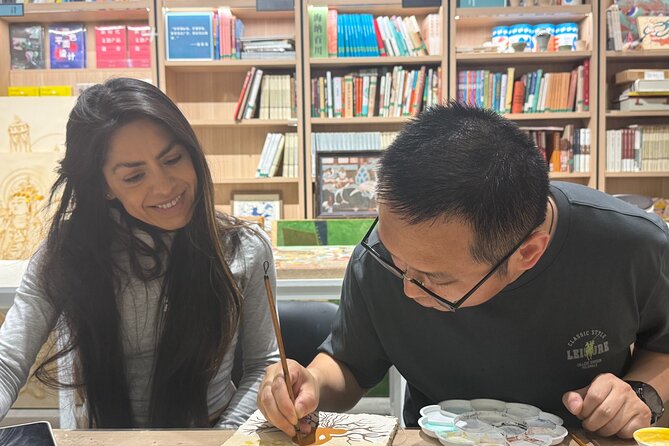
Shanghai gives you plenty of grand sights, but a hands-on art class can show you a quieter side of China. This workshop centers on Dunhuang mural art, a tradition associated with Buddhist images, graceful figures, animals, and decorative patterns. You are not simply looking at a finished painting. You are asked to consider how the image is built, one line and one color at a time.
That change in pace matters. A museum visit can give you information and a photograph. Here, you spend time with the physical work of the art. The brush moves slowly. The mineral colors have to be handled with care. A small choice in shading or outline changes the mood of the final image.
The experience is also approachable for people who do not think of themselves as artists. You can trace or paint a prepared traditional pattern, so you are not expected to invent an entire mural from scratch. At the same time, you have room to add personal touches. The teacher can help you create colors and refine your choices, which makes the finished piece feel personal rather than mass-produced.
More street art tours worth booking in the world:
- Medellin: Comuna 13 Graffiti Tour, Cable Car & Street Food
★ 4.8 · 9,046 reviews - CDMX: Xochimilco, Coyoacan, Frida Kahlo Museum & Murals Tour
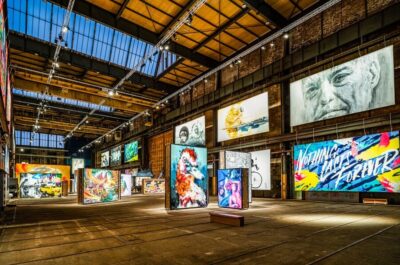
★ 4.4 · 3,025 reviews - Amsterdam: Streetart Museum STRAAT Entrance Ticket
★ 4.8 · 2,137 reviews
Starting at 515 Yi Shan Lu
The class begins at 515 Yi Shan Lu in Xuhui District, at a cultural heritage workshop in Shanghai. The location is near public transportation, which makes it a practical stop to pair with other plans in the city. Your confirmation is supplied at booking, and the ticket is mobile, so you do not need to arrange a paper voucher.
The supplied details do not give a full walking route from the nearest station, so check the exact meeting instructions before leaving. Allow enough time to reach the address without rushing. A workshop built around careful painting is more enjoyable when you arrive settled and ready to concentrate.
The activity finishes at the same meeting point. That is useful if you have a dinner reservation, another museum visit, or a hotel break planned afterward. You are not left to find a second ending location across town.
Choosing between a Buddha, Bodhisattva, and Nine-colored Deer
Your first important decision is the design. The choices listed include majestic Buddhas, graceful Bodhisattvas, and the Nine-colored Deer, a mythical animal from an ancient Chinese folktale.
A Buddha design may appeal to you if you want a strong central figure with a calm, formal presence. A Bodhisattva can offer more flowing lines and delicate details. The Nine-colored Deer gives you a different mood, with a folktale subject that feels more playful and distinctive than a strictly religious figure.
The best choice depends on how you like to work. A figure with fine details may reward patience, while an animal design could give you more freedom with color. You are not required to treat the activity as a test of artistic skill. The point is to follow the form, understand the design, and make considered choices as you go.
One useful tip is to decide whether you want a faithful traditional image or a small amount of personal expression. The teacher can help you create colors, and you can add your own touches. A little creativity is welcome, but the classic pattern gives the finished work its connection to Dunhuang art.
Working with mineral pigments and clay boards
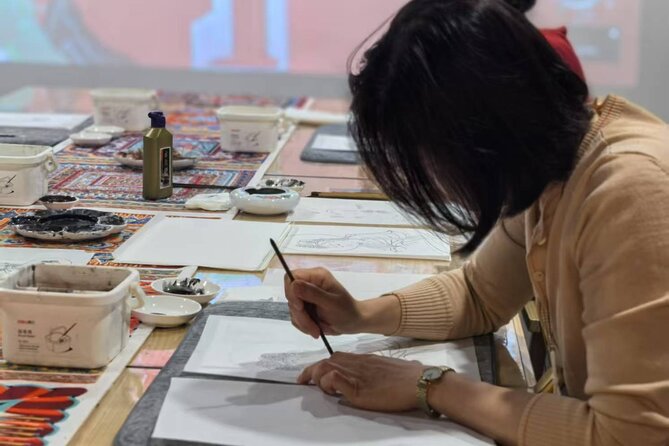
The materials give this class much of its character. You work with natural mineral pigments, a clay board, brushes, and tools inspired by older methods. The texture is different from painting on ordinary paper. The board gives the activity a more substantial, earthy feel, while the pigments connect your small artwork to the materials used in traditional mural work.
You may trace the selected pattern before painting it. This makes the class accessible even if you have little drawing experience. The careful part comes next: building color, following the outlines, and keeping the image balanced.
The teacher’s role is especially useful here. You are not left alone with a board and a brush. Guidance is available when you need help with a color, a detail, or the general method. The instructor also explains the cultural background, so your painting is tied to more than appearance.
Do not expect the speed of a casual souvenir workshop. Mineral colors and fine designs call for attention. The slower pace is part of the value, but it also means you should be prepared to sit and work for much of the three-hour session.
Same city, a different set of walls:
- Belfast: Murals Taxi Tour
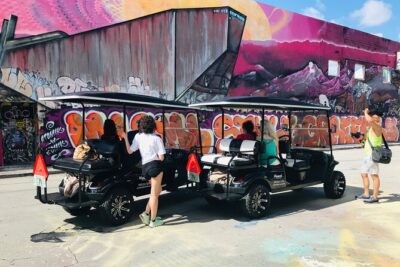
★ 4.9 · 2,047 reviews - Wynwood Graffiti Golf Cart Small-Group Tour
★ 5.0 · 1,646 reviews - London: Street Art and Graffiti Guided Walking Tour
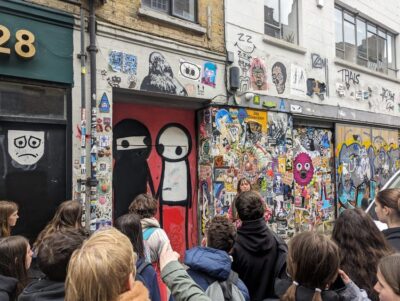
★ 4.9 · 1,354 reviews - Lisbon: Street Art Tour
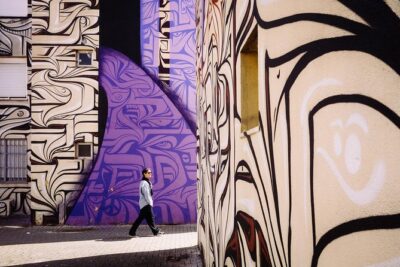
★ 4.9 · 1,324 reviews
The three-hour rhythm of the class
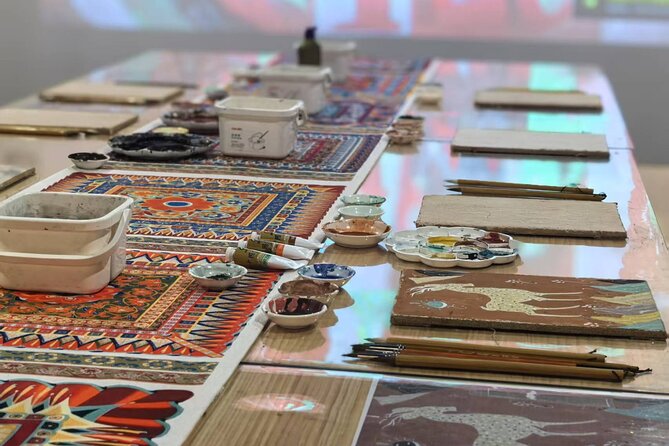
The exact minute-by-minute schedule is not specified, but the session naturally breaks into several stages. First, you select a design and learn about the subject. This is when you can ask about the meaning and style of the Buddha, Bodhisattva, or Nine-colored Deer pattern.
Next comes the preparation of the image. You may trace the outline or begin with a provided pattern. The teacher introduces the materials and the techniques inspired by historic mural painting. This stage helps you understand what to do before you start adding color.
The longest portion is the painting itself. You work at your own piece while the instructor offers direction. This is where the calm atmosphere becomes important. You have time to adjust a color, strengthen a line, or add a personal detail without feeling pushed toward a quick finish.
The final stage is the completed artwork. You leave with a piece made during the session, giving the experience a practical souvenir as well as a cultural lesson. The value is not only in the finished board. You also take away a better sense of the patience and control required by this art form.
Why the quiet setting matters
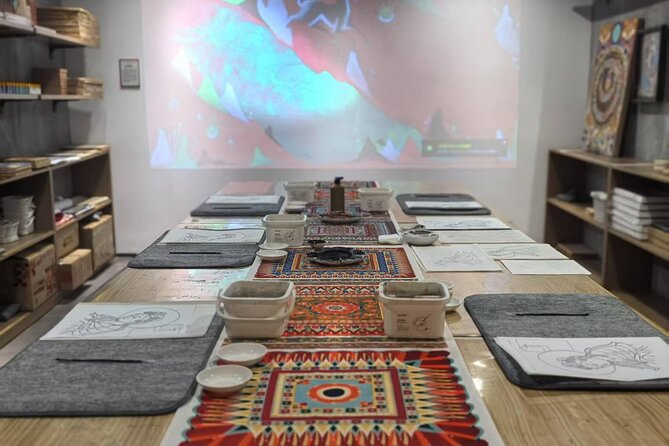
The studio atmosphere is described as peaceful and meditative. That may sound like a small detail, but it shapes the whole activity. In Shanghai, quiet time can be hard to find. Three hours spent concentrating on a single image lets you step away from traffic, crowds, and a packed sightseeing schedule.
The calm setting also suits the subject. Buddhist figures and traditional mural patterns are not best understood as hurried decorations. Working slowly gives you time to notice the posture of a figure, the curve of a sleeve, or the way a color changes the expression of the image.
I would especially consider this class after a busy day in the city, provided you still have the patience to sit and paint. It can also work well as a break between larger attractions. The activity does not depend on a long walk or physical exertion, and most people can take part.
The teacher’s help and the level of instruction
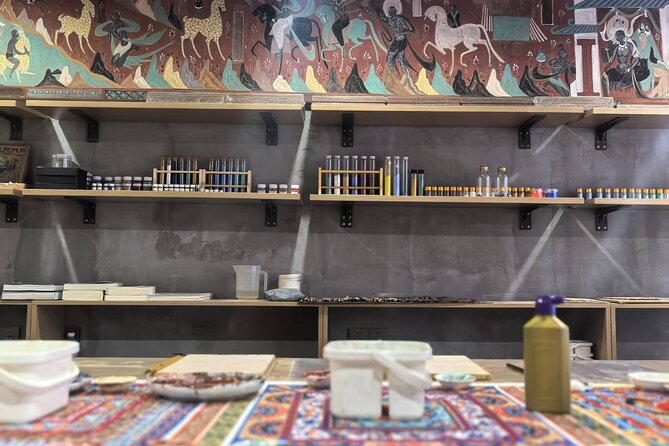
The instructor brings strong expertise in Dunhuang art and culture, but the most useful feature is the practical help during the painting. You can ask about the design, receive advice on colors, and get assistance when a detail is difficult.
The teacher’s patience matters because the class serves different skill levels. An experienced painter may want to adjust the design or experiment with color. A beginner may need reassurance with the first few lines. The structure allows both approaches, as long as you are willing to work carefully.
The cultural explanation is another reason to pay attention instead of treating this as a simple art project. The lesson connects the patterns to Chinese spiritual and artistic traditions. You gain more when you ask questions as you work, especially if you want to understand why certain figures or animals appear in the designs.
No guide name is provided, so you should not book this expecting a specifically named instructor. The important point is that the teacher is described as a specialist in Dunhuang art and as someone who gives direct, patient support.
What the $99 price includes in practical terms
At $99 per person, this is not the cheapest creative activity in Shanghai. The price makes more sense if you value instruction, specialized materials, and a finished artwork rather than a short demonstration.
You are paying for about three hours of guided time, access to mineral pigments and a clay board, cultural explanation, and help with your selected design. You also leave with something you made by hand. Compared with a standard souvenir purchase, the value is in the process and the personal result.
The price may feel high if your main goal is a quick introduction to Chinese art or a low-cost activity. You should also consider how much you enjoy hands-on work. A person who likes painting and cultural detail is likely to get more from the fee than someone who would rather spend those three hours visiting several city sights.
The maximum group size is 20 people. That is large enough for a social class but still limited compared with a major tour group. Since the teacher needs to offer color and technique advice, the group size is worth noting. Individual attention may vary if the class fills, but the format is more personal than a large bus tour.
Who will enjoy this most
I would recommend this workshop to you if you enjoy making something with your hands, want a cultural activity that goes beyond taking photographs, or prefer a calm class to a fast sightseeing circuit. It is also a good fit if you like the idea of bringing home art with a personal story attached.
Families may find the format appealing, since most people can participate and service animals are allowed. The supplied information does not give a minimum age or specific child program, so families should confirm any age concerns before booking.
Art students and detail-oriented beginners should also get a lot from the session. You can study the traditional patterns while learning how the materials affect the result. The class gives you structure without taking away every chance to make your own choices.
I would be more cautious if you have limited time in Shanghai, dislike sitting still, or want a guide-led tour that moves through several locations. This is a single-place activity, and its strength comes from staying put and working slowly.
Practical details for a smooth visit
The experience lasts approximately three hours and returns to the starting point. Wear something comfortable for seated work, though no special clothing requirement is provided. Since you will be handling pigments and tools, you may want to avoid clothing that you would worry about staining.
The mobile ticket makes entry simple. Keep the booking confirmation available on your phone and verify the meeting point before setting out. The activity is near public transportation, but the supplied details do not identify a specific station or transit line.
Most people can participate, and service animals are allowed. If you have a particular access need beyond that, ask before booking because the available information does not describe the studio layout.
Free cancellation is available if you cancel at least 24 hours before the local start time. Cancellations or changes made inside that period are not accepted for a refund, so do not leave the decision until the last day.
Should you book this Dunhuang art class?
Book it if you want a quiet, thoughtful Shanghai activity where you make something yourself. The strongest reasons are the specialist instruction, the chance to choose a meaningful traditional design, and the use of mineral pigments on a clay board. The teacher’s help with colors can make a real difference, especially if you want to add a personal touch without losing the traditional look.
Skip it if you are counting every dollar, have only a short time in the city, or prefer sightseeing that keeps moving. At $99, the class is a considered purchase, not a casual drop-in.
For the right person, though, the finished artwork is only part of the reward. You get three hours to slow down, learn how Dunhuang mural designs work, and connect with Chinese art through your own hands.
FAQ
Where does the activity begin?
It begins at 515 Yi Shan Lu, Xu Hui Qu, Shanghai, China, 200235.
Where does the activity end?
The activity ends back at the meeting point.
How long does the workshop last?
The workshop lasts approximately three hours.
What designs can I choose?
You can choose from traditional patterns including Buddhas, Bodhisattvas, and the Nine-colored Deer from an ancient Chinese folktale.
What materials are used?
You use mineral pigments, a clay board, brushes, and traditional-style tools and techniques.
How many people can join?
The activity has a maximum group size of 20 people.
Can I cancel for a refund?
Yes. You can receive a full refund if you cancel at least 24 hours before the experience start time. Changes or cancellations made less than 24 hours in advance are not accepted for a refund.
New street art tours in the world
- Your Own Belgrade: Street Art and Hidden Gems Walking Tour★ 5.0 · 2 reviews
- Wynwood Walls Street Art & Neighborhood Walking Tour★ 4.9 · 9 reviews
- Xochimilco floating gardens, Coyoacan and UNAM murals★ 4.0 · 6 reviews
- Vancouver: Street Art & Craft Beer Walking Tour with Tasting★ 4.8 · 14 reviews
- Vancouver: Street Art & Craft Coffee Walking Tour w/ Tasting★ 4.8 · 11 reviews
- UNAM: Murals & Revolution★ 4.9 · 8 reviews
- Urban Canvas: Osaka Street Art Bike Tour★ 5.0 · 10 reviews
- Zagreb Street Art Private Walking Tour with a Local Artist★ 5.0 · 12 reviews
Mural Tours, side by side.
Comuna 13 Graffiti Tour, Cable Car & Street Food
Read our review →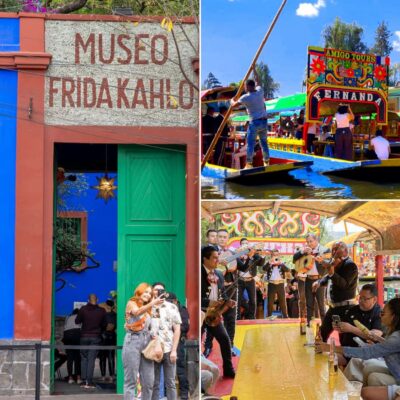
Xochimilco, Coyoacan, Frida Kahlo Museum & Murals Tour
Read our review →