
Reviewed · FRANCE MURAL TOURS
Bordeaux: Street Art Guided Tour
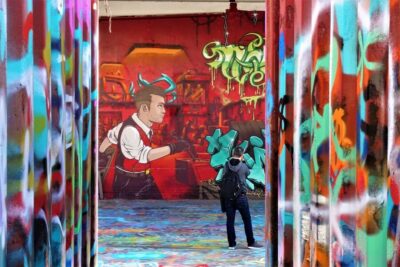
The best thing about this tour is the way it connects street art with Bordeaux’s old wine quarter. You walk from the Garonne riverside into the Chartrons, where former wine warehouses, antique shops, and painted walls share the same streets. The art gives you a fresh reason to look closely at a district many visitors see only as a pleasant walk.
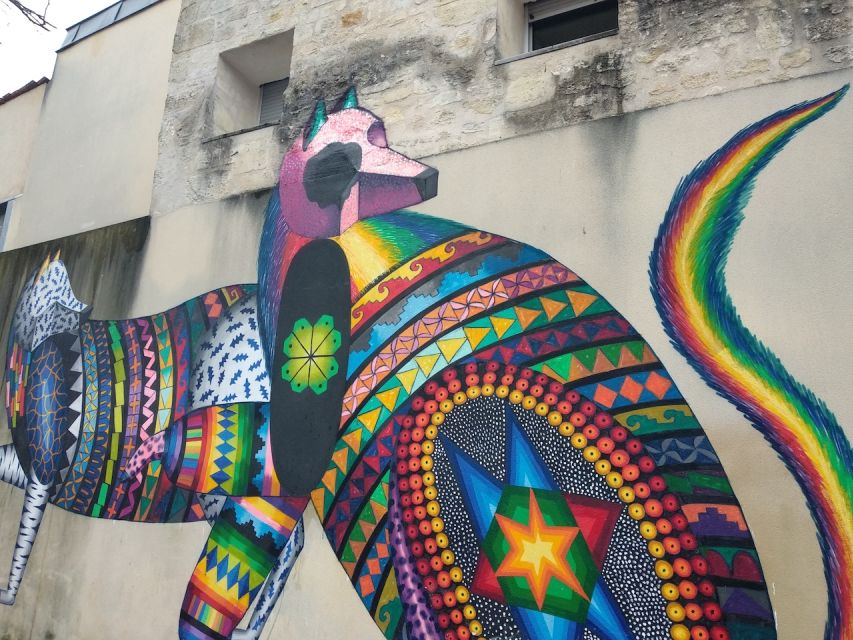
I like the short, manageable route and the local focus. In 90 minutes, you get a clear introduction to the Chartrons without giving up half a day, and the family-friendly format should work well for children who need a bit more color and movement than a standard history walk. I also like that the guide explains artists such as Clet, A-MO, Mr Poulet, and Alber rather than treating the paintings as decoration.
The main consideration is language. This is a French-language tour, so you need enough French to follow the historical stories and anecdotes. There has also been at least one recent report of a guide not arriving at the meeting point, so I would confirm the booking and keep the provider’s contact details handy before setting off.
Key Points at a Glance
- Garonne-to-Chartrons route: Start near the river and walk into one of Bordeaux’s most attractive former commercial districts.
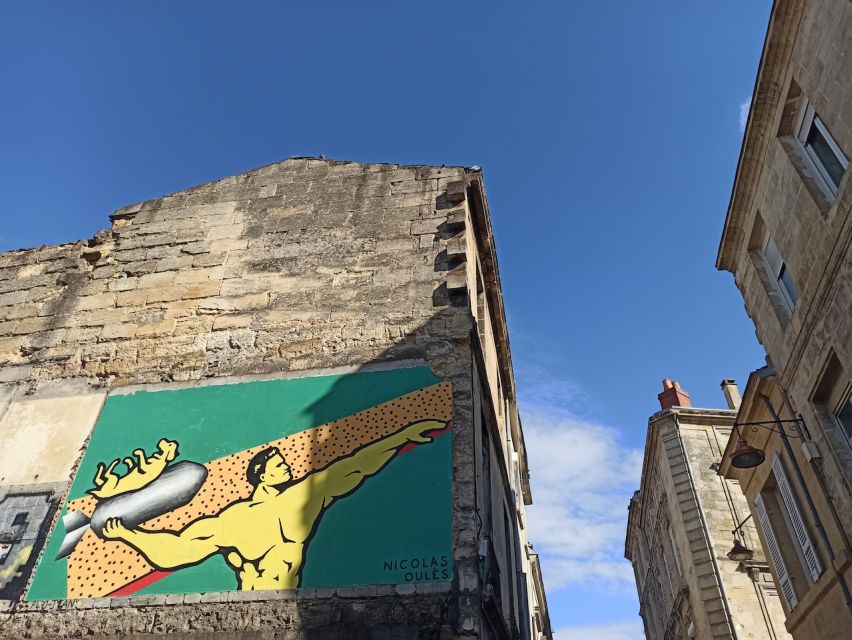
- Street art with local context: See work associated with Clet, A-MO, Mr Poulet, and Alber while learning how the neighborhood developed.
- A 90-minute commitment: The tour fits neatly into a morning or afternoon and leaves time for museums, wine tasting, or a meal.
- French-language guiding: The tour is suitable for families, but you should be comfortable listening to French.
- Accessible meeting point: Meet at Tram B’s Les Chartrons stop, with wheelchair accessibility noted for the activity.
- Good-value pricing: At $18 per person, the tour costs little more than a casual paid attraction while adding a local guide and a focused walking route.
Why the Chartrons Makes a Good Street Art Walk
The Chartrons is a strong setting for this kind of tour because its identity is layered. The district began developing north of central Bordeaux in the 17th century, when it was still a separate faubourg rather than a fully absorbed part of the city. Its location beside the port helped it grow wealthy through wine trading.
That commercial past still shapes the walk. You pass old wine storehouses and streets that once served the movement of barrels and bottles, then reach Rue Notre Dame, now known for antique dealers. The contrast is useful: street art does not appear in a blank modern quarter here. It sits on walls marked by trade, changing businesses, and long urban use.
I like this setting because it keeps the tour from becoming a simple hunt for painted walls. You get two subjects at once. The guide can explain what you are seeing on the walls while also showing how the Chartrons shifted from a wine-trading area into one of Bordeaux’s most sought-after neighborhoods.
The district is also pleasant to walk through. The route includes the Garonne quays, old commercial buildings, and tree-lined areas. The tour description presents the Chartrons as a calm, village-like part of Bordeaux, and that helps explain its appeal. You are close to the city center, yet the streets can feel more residential and less formal than the grand central avenues.
More guided art walks in France:
- Paris: Street Art Walking Tour with a Street Artist Guide
★ 4.5 · 39 reviews - From Louvre to Street Art – original museum guided tour (skip the line!)
★ 5.0 · 21 reviews - Argelès-sur-Mer: a guided Solex ride to discover street art
★ 5.0 · 8 reviews
Starting at Les Chartrons and the Garonne
Your meeting point is Tram B’s Les Chartrons stop. That is a practical choice because it gives you a clear public-transport landmark rather than an obscure doorway or a busy square. Arrive with comfortable shoes, since the tour is entirely on foot and lasts about an hour and a half.
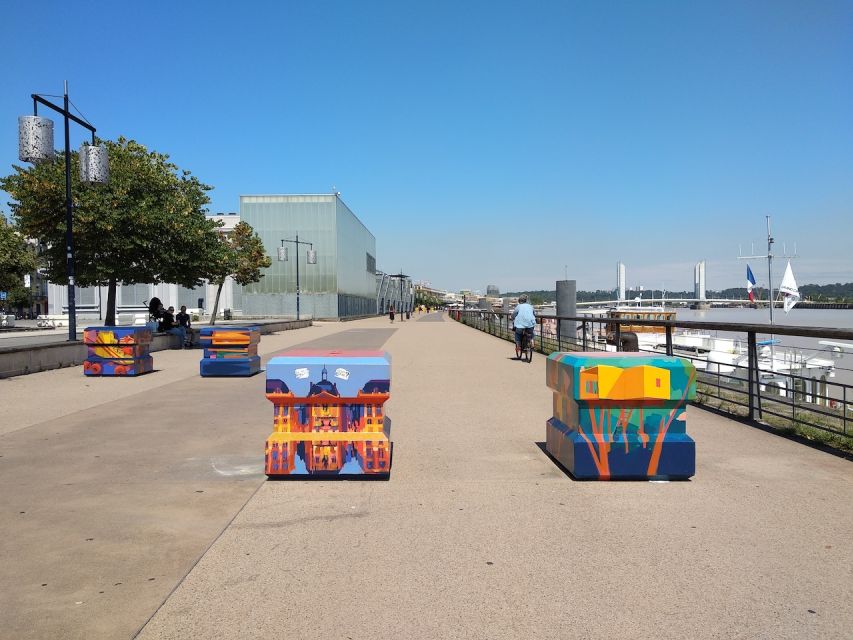
From the tram stop, the experience leads toward the Garonne riverside. The quays provide a useful opening because they place the Chartrons beside the water and the old port. This is where the neighborhood’s location starts to make sense. A wine-trading quarter needed access to shipping routes, and the river was central to that work.
The riverside also gives you an easy first look at Bordeaux’s wider setting. You are not simply being taken from one wall to another. The route begins with the district’s connection to the port, then moves inland toward the warehouses and streets that supported trade.
You should bring a camera, but keep it ready for details rather than only large murals. Street art can appear on a door, wall, sign, or small urban surface. The guide’s role is especially useful here because a local can point out work you might walk past without noticing.
The route is listed as wheelchair accessible, though the information does not describe the exact pavement conditions or every surface along the way. If you use a wheelchair, it is sensible to confirm the current route before booking, especially if the weather has been wet.
From Wine Storehouses to Rue Notre Dame
As the walk leaves the river, the old wine warehouses become part of the story. These buildings help you picture the Chartrons when wine merchants and port activity shaped daily life. The tour does not require you to visit a wine cellar or taste wine, which is useful if you want something different from Bordeaux’s usual wine-focused activities.
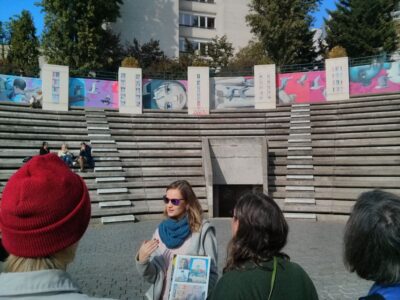
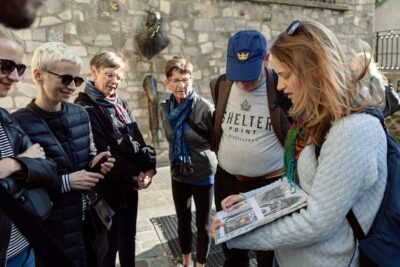
The guide adds history and anecdotes as you go. That matters because the district’s development is not obvious from a quick stroll. You learn that the Chartrons grew from a 17th-century settlement north of the center, became wealthier over time, and attracted a mix of people. Its changing population and open commercial character helped create the sort of walls street artists could use.
The route then takes you toward Rue Notre Dame and its antique dealers. This is one of the more distinctive parts of the walk. Antique shops give the street a different feel from the riverfront and the former warehouses, while the street art adds a modern layer.
I would pay attention to the relationship between the artwork and the older surroundings. The value is not just in identifying a named artist. It is in seeing how a new piece changes the way you read an old wall, a shopfront, or a quiet street.
The exact order of the stops can change, and street art itself may change over time. Painted work can be covered, altered, or replaced. That is part of the nature of the subject, but it also means you should think of this as a guided look at the district’s current art scene rather than a fixed museum collection.
Meeting Clet, A-MO, Mr Poulet, and Alber
The tour highlights work by Clet, A-MO, Mr Poulet, and Alber. These names give the walk a clear focus and help you remember what you have seen after the tour ends. The guide discusses both the artists and the history around them, so you are not left with a list of names disconnected from the neighborhood.
Clet is known for working with familiar street signs, though the supplied information does not promise a particular piece on the day. A-MO, Mr Poulet, and Alber add to the range of artists connected with the Chartrons. The useful point for you is that the tour introduces several creative voices rather than presenting street art as one single style.
The guide’s explanations are likely to be most valuable if you already enjoy art but do not know much about Bordeaux’s local scene. You get enough background to ask better questions and notice more on your own later. If you have no interest in street art, the historical side of the walk gives the experience a second reason to book.
The strongest praise for the experience centers on the guide’s passion and the quality of the explanations. One French-language account specifically describes the tour as a different way to see Bordeaux, while another calls the information about both Bordeaux’s history and street art especially appealing. That is the right expectation: this is not a technical art lecture, but it is more thoughtful than a casual photo walk.
More street art tours worth booking in France:
- Belleville Street Art Tour with an Artist
★ 5.0 · 237 reviews - Montmartre Street Art Tour with an Artist
★ 5.0 · 144 reviews - Street Art tour in Paris – Discover Paris murals !
★ 5.0 · 130 reviews - Paris: Graffiti and Street Art Workshop
★ 4.7 · 108 reviews
What the 90-Minute Pace Feels Like
Ninety minutes is a good length for this route. It gives the guide time to explain the Chartrons without turning the outing into a full-day commitment. You can fit it between other plans, and the walking distance should feel easier than a long city highlights tour.
The pace also suits families. Children get changing scenery, color, and named artists instead of a long succession of dates and architectural terms. The tour is described as family friendly, though it remains a guided history and art walk, so younger children may still need help staying engaged.
The walk is not a hop-on, hop-off experience. Once you meet the guide, you stay with the group on foot. Comfortable shoes are essential, and rain protection is wise. The tour has received positive feedback for remaining interesting in rainy weather, but that does not make wet pavement or poor weather especially pleasant.
Summer heat deserves thought as well. A recent account describes a long wait in strong heat after the guide failed to arrive. That appears to be an isolated operational problem rather than part of the planned tour, but it is a reason to arrive at the meeting point with water and to confirm the booking shortly before departure.
No group size is provided, so you should not assume a private walk or a tiny party. If a personal, highly tailored art tour is important to you, ask about group size before paying.
Is $18 a Fair Price?
At $18 per person, this is a modestly priced guided activity for Bordeaux. You are paying for a live guide, a planned route, local background, and an introduction to several street artists. There is no separate museum admission or wine tasting included, but the lower price reflects the simple format.
I see the best value if you are already planning to explore the Chartrons. You can combine the tour with your own time around Rue Notre Dame, the riverside, or the old wine warehouses. The guide gives structure to an area you could otherwise wander through without understanding how its pieces fit together.
The price is less attractive if you speak little or no French. The tour is offered in French, and translation may not be provided. In that case, you might understand the visual side but miss the anecdotes and historical links that make the walk worthwhile.
Free cancellation up to 24 hours before the start gives you some flexibility, and you can reserve now while paying later. Those terms are useful when your Bordeaux schedule depends on weather or changing plans. Still, check the current starting time and availability before booking, since the duration is fixed but departure times can vary.
Who Will Enjoy This Tour Most?
I would recommend this walk to you if you want to see Bordeaux outside the grandest monuments. It suits visitors who like urban art, local neighborhoods, and short walking tours with a clear theme. It also works well as an early introduction to the Chartrons, giving you ideas for where to return afterward.
Families may like the mix of outdoor movement, art, and stories. The 90-minute duration is long enough to feel worthwhile but short enough to avoid turning the day into a march. Children who enjoy drawing, murals, or unusual details may get more from this than from a formal architecture tour.
French speakers have the clearest advantage. The guide is French-speaking, and the strongest parts of the experience depend on understanding spoken history and anecdotes. If your French is basic, consider booking only if you are comfortable missing some detail.
This is also a good choice for repeat visitors to Bordeaux. You may have already seen the main squares and river views. The Chartrons offers a different angle, and the street art makes a familiar city feel less predictable.
I would choose another activity if your priority is wine tasting, major museum collections, or a broad overview of all Bordeaux. The tour does not include wine, entry tickets, or transport beyond meeting at the tram stop. It is focused, local, and deliberately limited.
Practical Details Before You Book
Meet at Tram B’s Les Chartrons stop. Plan to arrive early enough to identify the guide without rushing, especially if you are unfamiliar with Bordeaux’s tram system.
Wear comfortable shoes and bring a camera. The tour is outdoors and on foot, so dress for the forecast. Rain did not prevent one recent group from finding the walk worthwhile, but bad weather can still affect comfort and visibility.
The experience is wheelchair accessible according to the booking information. Since no detailed route map or pavement description is supplied, wheelchair users should confirm the practical details in advance.
The tour is conducted in French. No other language is listed. If you need English or another language, this is not the safest choice unless the provider confirms an alternative.
The operator is My Urban Experience. If you book, save the confirmation and contact information before heading to Les Chartrons. That is a sensible precaution given the reported no-show problem, even though most of the available feedback describes a smooth and enjoyable outing.
Should You Book the Chartrons Street Art Tour?
Book it if you want a friendly 90-minute introduction to Bordeaux’s street art and former wine district. The route is short, the price is reasonable, and the combination of Garonne quays, old warehouses, Rue Notre Dame, and local artists gives you a more personal view of Bordeaux than a standard monument walk.
I would especially choose it for a French-speaking family, a repeat visitor, or anyone who enjoys seeing how modern art fits into an older neighborhood. Skip it if you need an English-language guide, want a wine experience, or prefer a private tour with a guaranteed small group.
Before you commit, confirm the departure details and arrive prepared for weather. If the French-language format works for you, this is an easy, good-value way to spend an hour and a half in one of Bordeaux’s most appealing quarters.
FAQ
Where does the Bordeaux Street Art Guided Tour meet?
The meeting point is at the Tram B stop called Les Chartrons.
How long does the tour last?
The walking tour lasts 1.5 hours.
What language is the tour conducted in?
The tour is conducted in French with a live French-speaking guide.
Is the tour suitable for families?
Yes. The experience is described as family friendly and combines street art, local history, and walking through the Chartrons.
Is the tour wheelchair accessible?
Yes, the activity is listed as wheelchair accessible.
What should I bring?
Bring comfortable shoes for walking and a camera for photographing the street art and neighborhood.
New street art tours in France
- Private Street Art Tour in Paris with Local Expert★ 4.0 · 9 reviews
- Paris Street Art bike tour – Open Air Museum★ 5.0 · 18 reviews
- Paris Off the Beaten Path Street Art Walking Tour★ 4.5 · 9 reviews
- Paris: Street Art Tour with a Street Artist Guide★ 5.0 · 6 reviews
- Private Graffiti Workshop★ 5.0 · 5 reviews
- From Louvre to Street Art – original museum guided tour (skip the line!)★ 5.0 · 21 reviews
- Paris Street Art, smartphone audioguided tour★ 5.0 · 15 reviews
- Private Street Art 2-Hour Guided Tour in Paris★ 4.5 · 5 reviews
France Mural Tours, side by side.

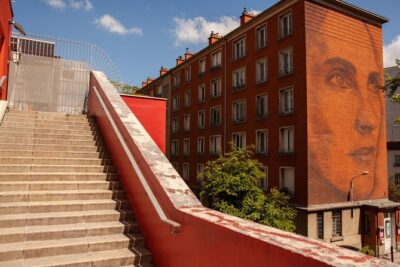
Street Art tour in Paris – Discover Paris murals !
Read our review →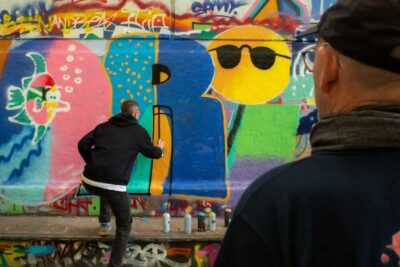

Lists this wall walk turns up in