
Reviewed · STREET ART BIKE TOURS
Munich: Street Art Bike Tour
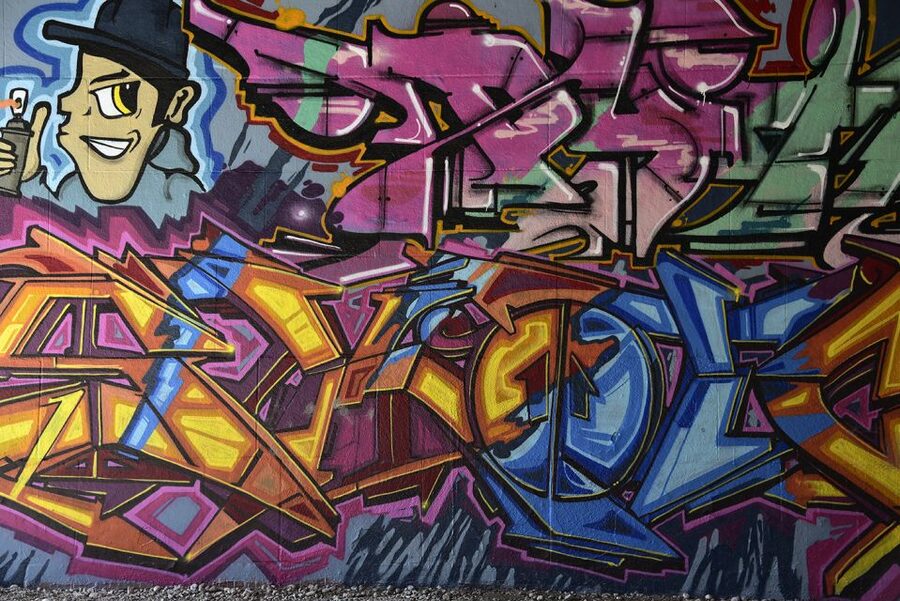
Munich’s polished streets hide a wilder past. In the 1980s, the city became one of Germany’s early centers for graffiti, and this street art bike tour follows that story away from postcard Munich. You’ll pedal along the Isar, reach Giesing, and see walls shaped by both old-school painters and newer artists.
I like the unusual route and the way the bike gets you beyond the center. I also like the chance to connect Munich’s art with its neighborhoods, from the former working-class streets of Giesing to the slaughterhouse district. The main drawback is the length: three and a half hours may feel long for younger children, and the tour is officially conducted in German.
Key points to know before you book
- Munich was an early German graffiti center: The tour explains why the city mattered to the movement in the 1980s.
- The route leaves the tourist core: You ride to Giesing, the Isar, and the slaughterhouse district rather than staying around Marienplatz.
- A rental bike is included: You do not need to arrange a bike separately.
- There is a break on a boat: The stop takes place by a railway bridge in the slaughterhouse district.
- Ulrike has guided English-speaking participants: Her patient explanations helped one English-speaking family follow a German tour.
- The tour suits older children and adults best: Children under 10 cannot join, and the full 210 minutes may test a 12-year-old’s patience.
Why Munich is an unexpected graffiti city
Munich is known for grand squares, elegant buildings, beer halls, and very tidy streets. That makes its role in German graffiti culture easy to miss. The city was considered a major European meeting point for graffiti artists alongside New York during the 1980s.
That background gives this tour more substance than a simple ride from mural to mural. You are not only looking at large blocks of color. You are learning how graffiti took root in Munich, how earlier artists shaped the scene, and how current artists continue to use walls, bridges, and less polished corners of the city.
I like this change of view. The art becomes a way to read Munich itself. The route moves through places that many first-time visitors would skip, and the contrast between immaculate central Munich and its more expressive edges is part of the point.
The tour is led in German, so language matters. One guide, Ulrike, received warm praise for explaining the subject patiently to English speakers even though the scheduled language was German. You can hope for a similar experience, but you should not book this as an English-language tour unless the provider confirms that arrangement.
More Street Art Bike Tours in Germany:
- Cologne: Ehrenfeld Street Art Bike Tour
★ 4.9 · 105 reviews - 3-Hour Cologne Street Art Bike Tour in Small Group with Guide
★ 4.5 · 20 reviews - London Bike Tour: Landmarks, Secret Gems, Pub Stop & Street Art
★ 5.0 · 943 reviews
Starting at Marienplatz, then leaving the center
The meeting point is in front of the Tourist Information Office at Marienplatz. Look for a guide holding a yellow street art tour sign with red letters. This is a practical meeting place, but it also creates a sharp contrast between the city center and the route ahead.
Marienplatz is Munich’s busiest sightseeing square, full of visitors focused on the town hall and the city’s historic core. The tour quickly changes the subject. Instead of spending the afternoon among the familiar sights, you set off by bike to look for art in places where local life, old industry, transport routes, and river paths meet.
A rental bike is included, which keeps the start simple. You do not need to find a bike shop or work out a separate rental. The available information does not specify the bike model or the exact riding conditions, so ask the guide about the route if you are concerned about cycling comfort.
The tour lasts 210 minutes. That is enough time to cover several parts of Munich, but it is not a short introduction. You should be comfortable spending most of an afternoon on a bike, with stops for explanation and looking closely at the art.
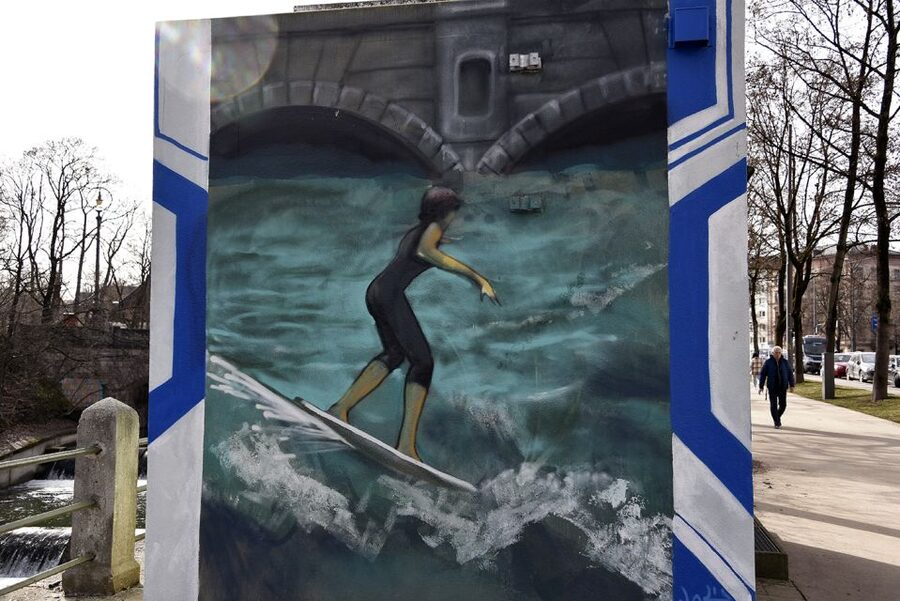
Following the Isar and its painted edges
The Isar section gives the tour a different rhythm. The river is a natural corridor through the city, and artists have left their mark along it. Riding here lets you connect individual works with the spaces around them rather than treating each mural as an isolated photo stop.
This is also where the tour can feel most relaxed. You get away from the packed central streets and follow a route shaped by the river. The guide can point out works by established artists as well as newer names, giving you a sense of how the scene has changed over time.
Do not expect a museum-style collection with labels beside every piece. Street art changes. Paint fades, walls are replaced, and new work appears. The value lies in seeing the art in its setting and hearing how Munich became important to graffiti culture.
I especially like the fact that the route does not reduce street art to decoration. The tour connects color and lettering with the city’s past, its neighborhoods, and the people who made the scene. If you enjoy photography, the Isar stretch should offer plenty to look at, although the exact works can change.
Giesing: the tour’s local turn
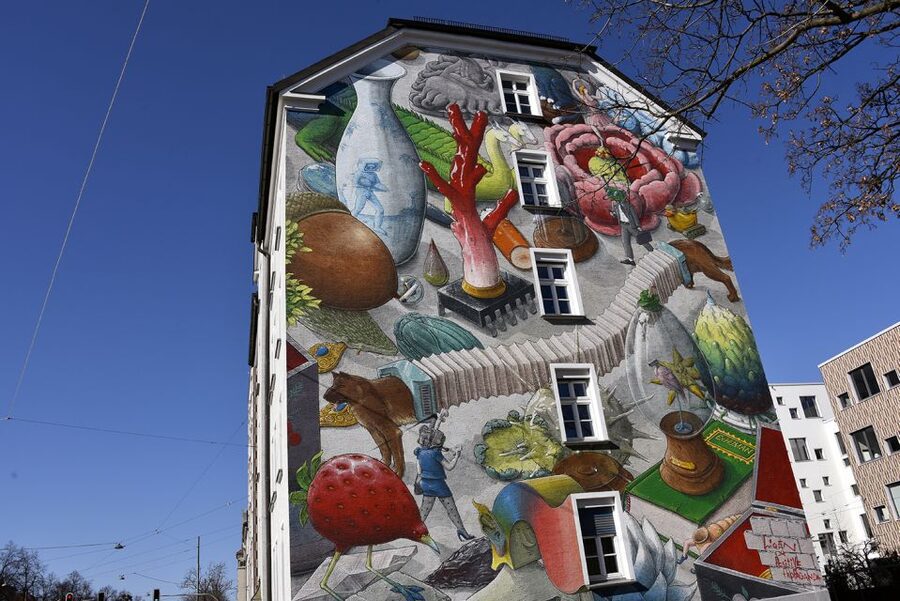
From the river, the ride continues toward Giesing. Once a working-class neighborhood, Giesing gives you a more local side of Munich than the polished center. The district matters here not simply as a backdrop, but as part of the tour’s effort to show how street art lives in everyday areas.
This is one of the strongest reasons to choose a bike tour instead of a walking route limited to central Munich. You cover more ground without relying on public transport, and the movement from one district to another helps you understand the city’s shape.
The ride to Giesing also brings a practical trade-off. You are not stopping every few minutes for a major monument. Some of the pleasure comes from the route itself, from noticing how the city changes as you pedal. If you want a concentrated list of famous sights, this will feel less efficient. If you want a different view of Munich, it works well.
A 12-year-old found the tour somewhat long, while another family said their children, aged 10 and 12, enjoyed it. That difference makes sense. Children who already like bikes, murals, or urban art may stay interested for the full ride. Younger children or those expecting constant action may tire before the finish.
More street art tours worth booking in Germany:
- Berlin: City Street Art Guided Walking Tour
★ 4.8 · 1,051 reviews - Berlin: 3-Hour Street Art Tour
★ 4.7 · 778 reviews - Dresden: Neustadt District Street Art Guided Walking Tour
★ 4.3 · 333 reviews - Berlin Street Art Walking Tour – Off The Grid
★ 5.0 · 270 reviews
The slaughterhouse district and the railway bridge pause
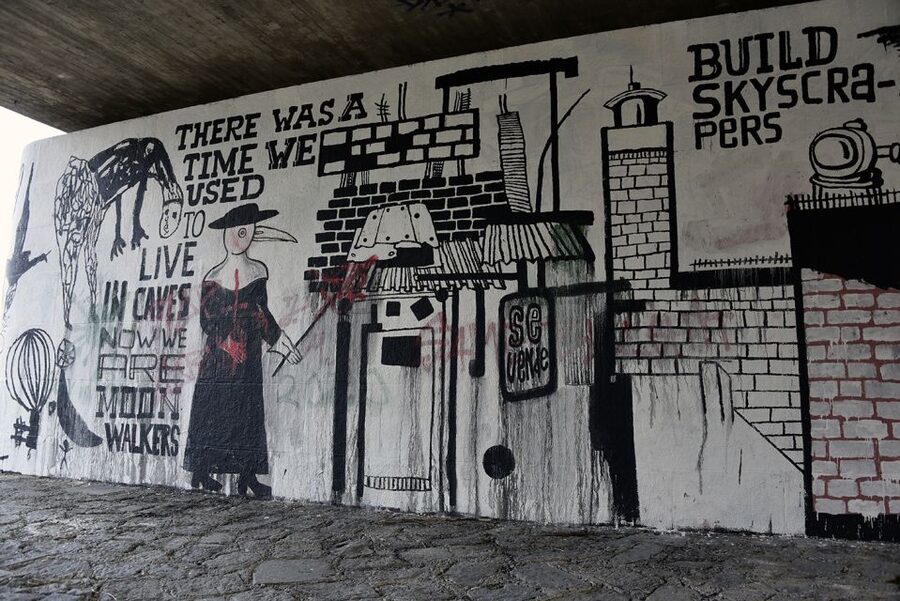
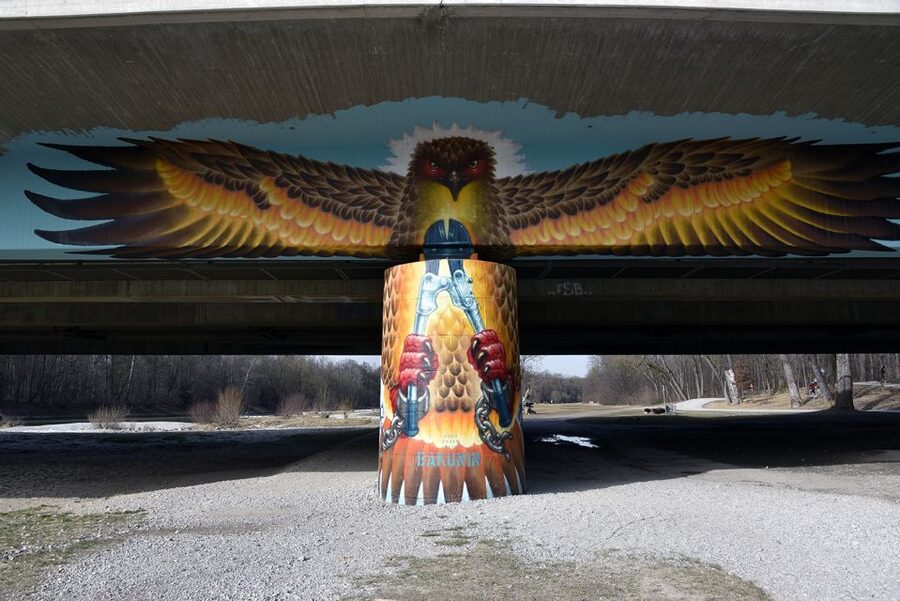
The route then heads toward Munich’s slaughterhouse district. This is another deliberate move away from the usual visitor circuit. The district’s industrial character suits the subject, since street art often appears where large walls, transport infrastructure, and working spaces leave room for public painting.
A planned pause takes place on a boat near a railway bridge. That detail gives the tour a welcome break from cycling and a memorable setting for looking around. Rather than stopping in a standard café or returning to the main square, you pause beside a piece of transport infrastructure that fits the city’s rougher artistic side.
The break also helps with the tour’s length. Three and a half hours is a serious commitment, especially in uncertain weather, so a pause gives you time to rest and take in the surroundings. The exact refreshments or boat facilities are not specified, so do not assume that food or drinks are included.
Rain can alter the group experience. One wet-weather outing became a private tour, which turned out to be a lucky change for that group. You should still dress for conditions and understand that weather may affect the ride, the comfort of the break, or the way you see outdoor works.
Old masters, new artists, and changing walls
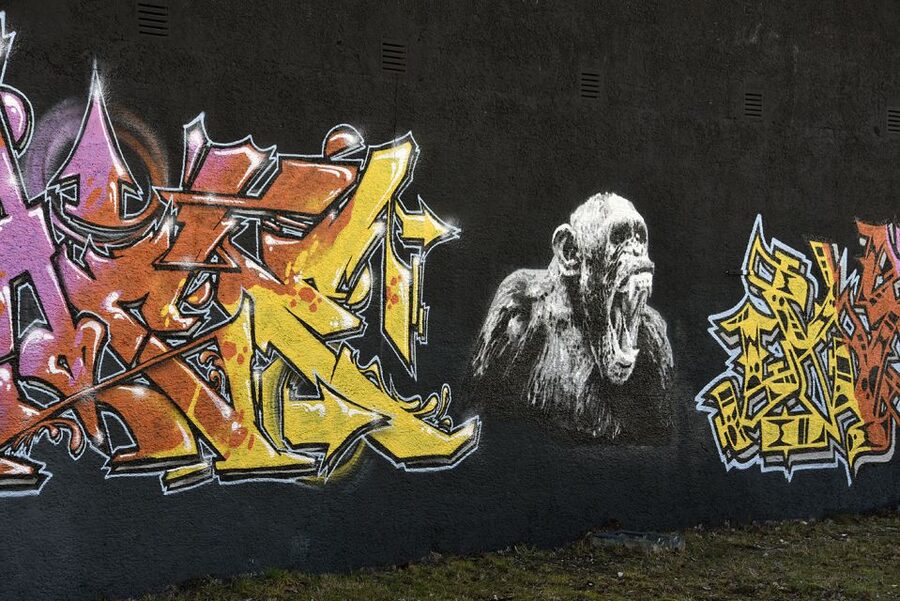
The guide introduces work by artists who helped shape Munich’s graffiti culture, along with pieces by newer street artists. This mix is important. You are not only seeing a historic chapter preserved on walls. You are seeing a living art form that keeps changing.
The tour’s historical material is one of its strongest features. Munich’s connection to graffiti is not obvious if you only visit the old town, so learning about the 1980s movement gives the city a new layer. The guide can help you notice details in lettering, scale, style, and placement that you might otherwise pass without a second look.
The works themselves will not all appeal to you equally. Street art is personal, and some pieces may look rough, faded, or hard to understand. That is part of the honest experience. This is not a polished gallery where every piece has been selected for universal appeal.
You should also expect change. The tour may show works that are later painted over, altered, or joined by new pieces. That temporary quality is one reason to pay attention during the explanation instead of treating the ride as a simple list of photo stops.
What the guide adds to the ride
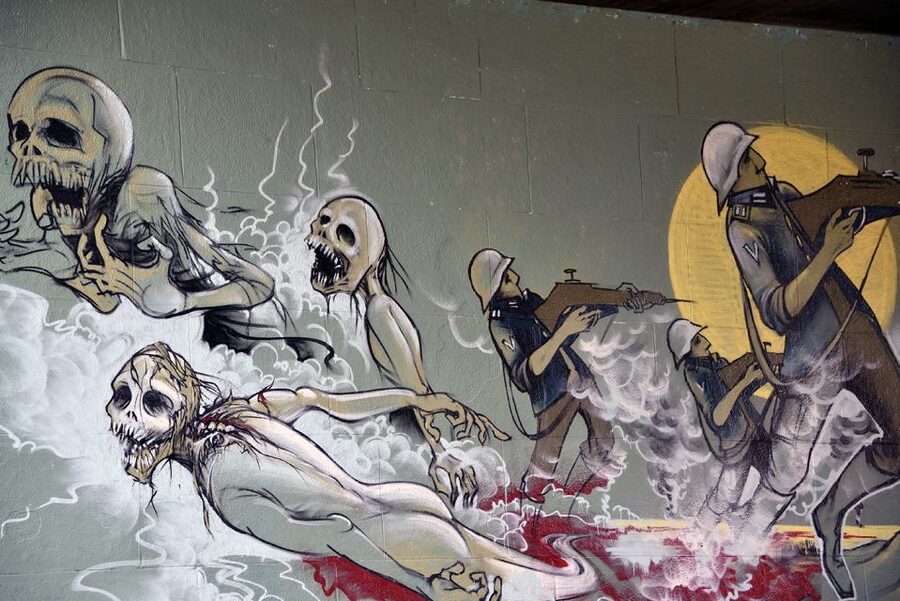
A good guide matters more here than on a standard city bike tour. The art can be read quickly, but the story behind it requires context. The guide explains the history of graffiti, points out important artists, and links the work to the places you pass.
Ulrike has been singled out for being friendly, patient, and willing to explain the subject to English-speaking participants during a German-language tour. That is useful if your German is limited, but it should be treated as a personal strength of that guide rather than a guaranteed service in English.
The official language is German. If you understand German, you can book with confidence on that point. If you do not, contact the provider before reserving and ask who will lead your date. A private group is available, which may give you more control over the pace and make communication easier, but the available details do not state the exact private-group price or language options.
The guide also helps with the practical side of moving through Munich by bike. You are not left to find the art on your own, and the route has a clear shape: Marienplatz, the Isar, Giesing, and the slaughterhouse district. That structure makes the long ride feel purposeful.
Is $40 a fair price?
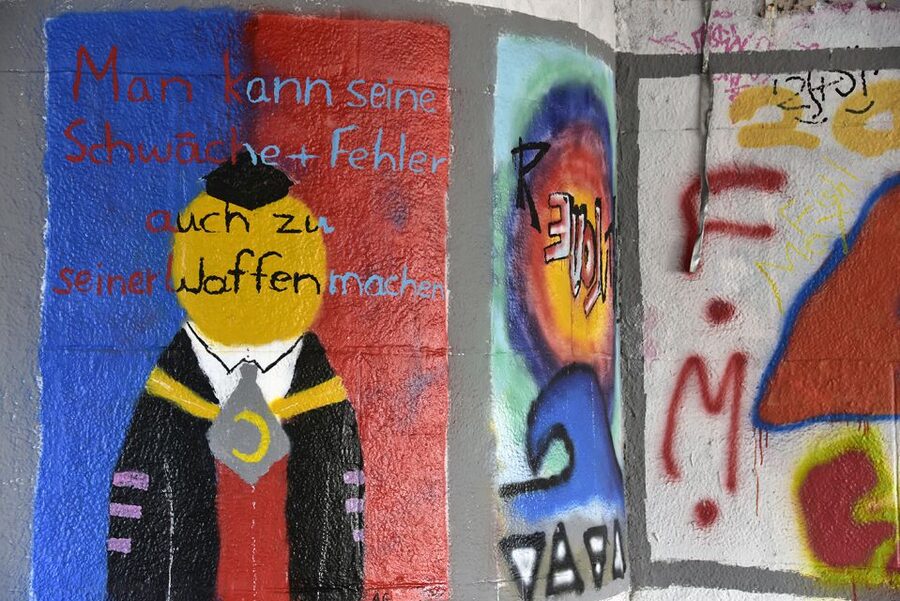
At $40 per person, the tour sits in a reasonable range for a 210-minute guided city experience that includes a rental bike. The price is not just paying for a bicycle. You are also paying for the route planning, local art knowledge, and access to parts of Munich that are less convenient to reach on foot.
I consider it good value if you want an active afternoon and have an interest in urban art. A self-guided ride might cost less, but you would need to find the route, identify the artists, and understand why Munich matters to German graffiti. You would also risk missing works that are not obvious from the main streets.
The value is weaker if you are mainly looking for Munich’s famous historic sights. The tour does not focus on the main monuments, and three and a half hours could be better spent elsewhere if street art is only a minor interest.
The included bike also matters. You avoid a separate rental fee and the hassle of arranging equipment before the tour. Since bike comfort can affect the entire experience, ask any necessary questions before booking, especially if you are particular about fit or riding position.
Who should book this tour?
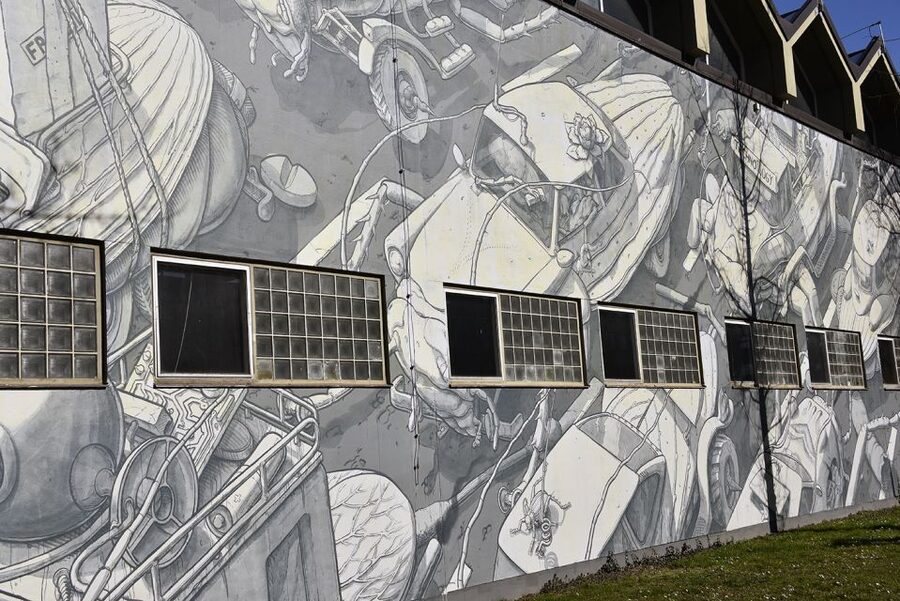
I would choose this for adults, older children, and anyone who has already seen Munich’s central sights. It is a good second-day activity because it takes you beyond the standard route and gives you a reason to visit Giesing and the slaughterhouse district.
It also suits people who like seeing how art fits into ordinary city spaces. You do not need to be an expert in graffiti. Curiosity is enough, since the guide supplies the background and points out the important details.
The tour is less suitable for children under 10, who are not allowed to join. Even for older children, think about stamina. The 10 and 12-year-olds on one outing loved the ride, while another 12-year-old found it too long. That is a useful warning: enthusiasm for bikes or art will make a real difference.
It is not suitable for wheelchair users, and alcohol and drugs are not allowed. The tour is also a poor match if you need a fully English-language experience unless that is confirmed in advance.
Practical details that affect your choice
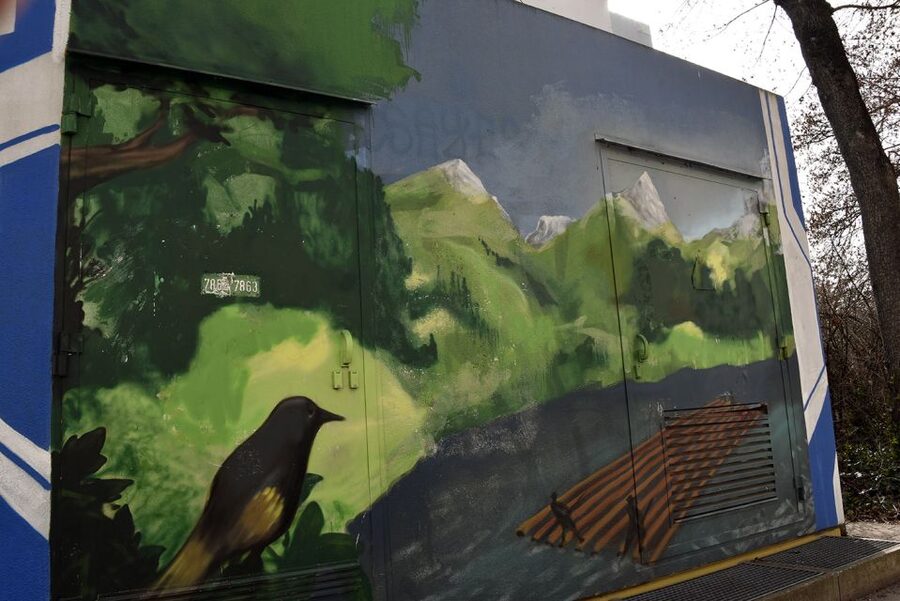
You meet at Marienplatz in front of the Tourist Information Office. The yellow sign with red letters should make the guide easy to identify. The tour includes a guide and rental bikes, and private groups are available.
You can cancel up to 24 hours before the start for a full refund. A reserve-now, pay-later option is also offered, which helps if your Munich plans depend on weather or a changing schedule.
The tour is listed in German and lasts 210 minutes. Because much of the art is outdoors, weather can shape your comfort. A wet day may not ruin the experience, but it can make a long ride less pleasant and may change the group arrangement.
The experience has a rating of 4.6 from 66 reviews, with especially strong praise for the guides, the variety of stops, the comfortable rental bikes, and the chance to see parts of Munich that many people miss. I would place the guide quality first, because the historical context is what turns a bike ride into a worthwhile art tour.
Should you book Munich’s Street Art Bike Tour?
Book it if you want to see a side of Munich that has little to do with palace facades and crowded squares. The route’s best features are its 1980s graffiti history, its ride through Giesing and the Isar area, and its focus on both established and newer artists.
Think twice if you dislike long bike rides, need an English-language guide, or are traveling with a child who tires easily. For the right audience, $40 buys a well-planned way to reach Munich’s less familiar corners, with a guide who can explain why the city matters in the story of German graffiti.
FAQ
Where does the Munich Street Art Bike Tour meet?
Meet the guide in front of the Tourist Information Office at Marienplatz. The guide will hold a yellow street art tour sign with red letters.
How long does the tour last?
The tour lasts 210 minutes, or three and a half hours.
What language is the tour conducted in?
The listed tour language is German. Guide Ulrike has explained the tour to English-speaking participants, but English is not listed as the official language, so confirm this before booking if needed.
Is a bicycle included?
Yes. Rental bikes are included with the tour, along with the guide.
Can children join the tour?
Children under 10 cannot join. Older children can participate, but the 210-minute duration may feel long for some of them.
Can I cancel for a full refund?
Yes. You can cancel up to 24 hours before the tour for a full refund. A reserve-now, pay-later option is also available.
New street art tours in Germany
- Art Nouveau Meets Street Art in Munich (Max. 12 guests)★ 5.0 · 3 reviews
- Alternative Hamburg Private Alternative Street Art Tour★ 4.5 · 6 reviews
- Street Art Tour Dresden Neustadt★ 4.0 · 15 reviews
- 3-Hour Cologne Street Art Bike Tour in Small Group with Guide★ 4.5 · 20 reviews
- Explore Cologne’s best Street Art Quarter★ 4.5 · 4 reviews
- Open graffiti workshop in the Mauerpark in Berlin★ 5.0 · 2 reviews
- Graffiti Workshop Berlin with professional graffiti artists★ 4.0 · 4 reviews
- Alternative Berlin Private Tour with Jacob – Graffiti and Squats★ 5.0 · 6 reviews
Street Art Bike Tours, side by side.
London Bike Tour: Landmarks, Secret Gems, Pub Stop & Street Art
Read our review →
Barcelona Street Art and Graffitti Bicycle Tour
Read our review →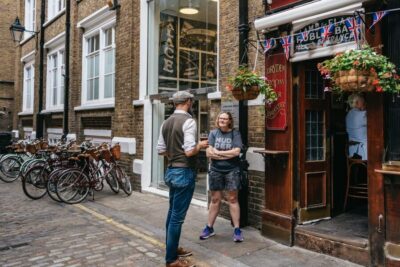
Landmarks & Secrets Bike Tour with Pub & Street Art
Read our review →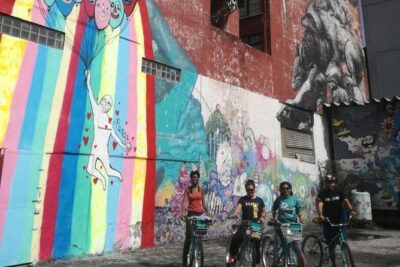
Mexico City; ART NACO : Murals & Street Art Bike Tour
Read our review →
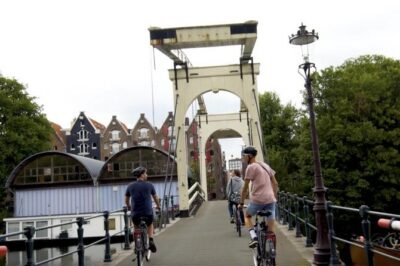
Urban Adventures Amsterdam Bike Tour, Graffiti and Magnet Fishing
Read our review →
E-Bike Guided Tour Downtown St Pete: Sights & Murals
Read our review →Lists this wall walk turns up in