
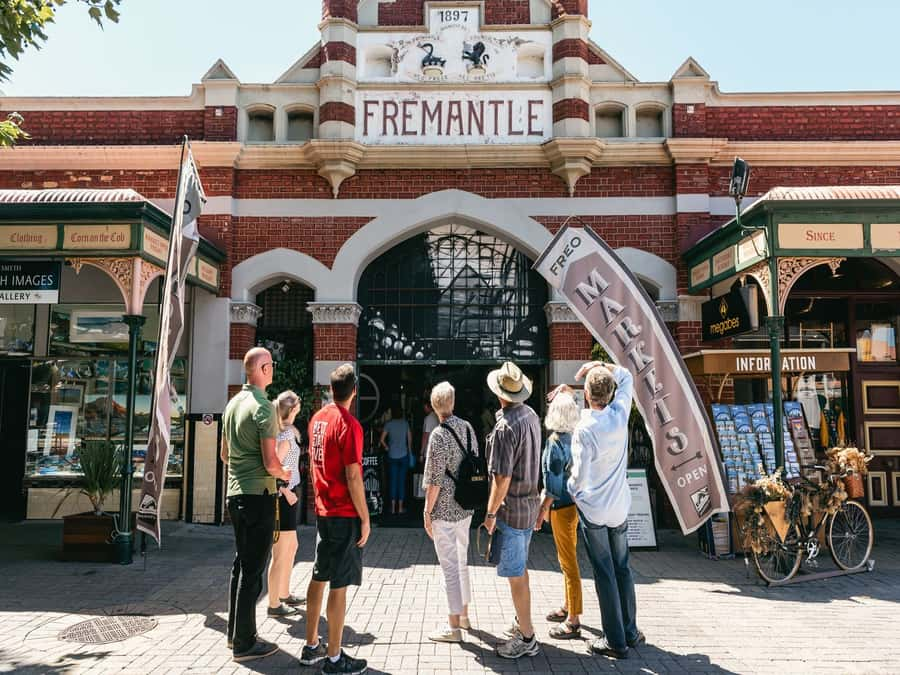
Reviewed · AUSTRALIA MURAL TOURS
Fremantle: Convicts, Culture, and Street Art
Fremantle’s best stories are not locked inside a museum. They sit along the streets, harbour, old prison walls, and narrow West End lanes. This two-hour walk links those places with tales of convict escapes, migrant arrivals, whaling, and the forced removal of Indigenous people to Rottnest Island. I like the way the tour treats Fremantle as a living town rather than a list of dates.
I especially like the mix of major landmarks and smaller local details, including the Whaler’s tunnel, street art, markets, and the Roundhouse. I also like the relaxed pace and the chance to ask questions. The main consideration is simple: this is a walking tour, so you will need comfortable shoes and weather-ready clothing. Rain and cold can arrive from April through August.
Key points at a glance
- Convict stories with a human edge: Learn why almost 10,000 men were sent from Great Britain and Ireland and how they helped build Fremantle’s prison.
- A varied route: Walk from Kings Square through the Cappuccino Strip, boat harbour, West End streets, High Street, and the Roundhouse.
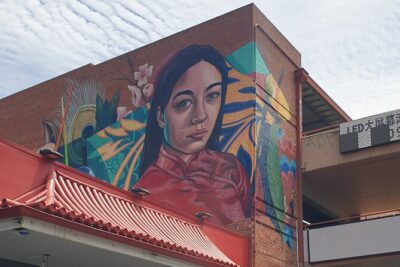
- Street art with context: See how art and local stories add another layer to Fremantle’s old buildings and lanes.
- Guides who adapt: Winona, Vaughan, Joanie, and Daniel have led tours praised for clear explanations, good local insight, and an easy manner.
- Useful first-day orientation: The walk helps you decide which museums, streets, and harbour areas deserve more time later.
- A fair two-hour price: At $46 per person, the tour offers a focused introduction without taking up your whole day.
Starting at Kings Square with Fremantle’s story already in view
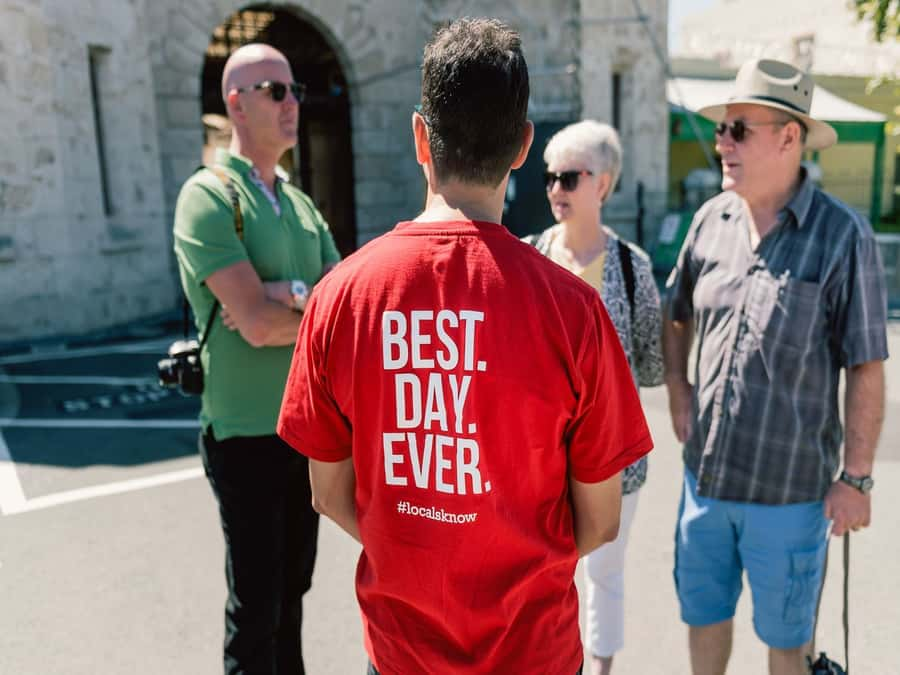
Meet your guide at the Fremantle Visitor Information Centre on Kings Square. This is a useful starting point because you begin in the town centre, close to the historic streets, cafes, markets, and main walking routes.
The tour does not treat Fremantle like a classroom. Expect factual stories, local anecdotes, and the occasional odd detail as you move from place to place. That matters here. Fremantle’s past is not tidy. It includes maritime work, migration, imprisonment, colonial expansion, Indigenous dispossession, and the rough daily life of people connected to the sea.
The guides bring different personalities to the walk. Winona is noted for her easy manner and strong grasp of the area. Vaughan has led tours that lasted longer than the scheduled two hours when the group wanted more stories and questions. Joanie is described as relaxed and informative, while Daniel is both personable and well informed. You are not guaranteed a particular guide, but the range of names gives you a sense of the local team behind the experience.
If your group is small, the tour may feel more conversational. One guide took time to ask what the group wanted to learn rather than simply delivering the usual speech. That can make a real difference in Fremantle, where a question about prisons can lead into migration, politics, architecture, or Indigenous history.
More street art tours worth booking in Australia:
- Melbourne Street Art Tour
★ 5.0 · 378 reviews - PERTH BAR+STREET ART TOUR: Hidden Secrets, Laneways + Good Times!
★ 5.0 · 183 reviews - Melbourne: Street Art Walking Tour with a Street Artist
★ 4.9 · 147 reviews
The Cappuccino Strip and the town’s changing character
From Kings Square, the route heads through Fremantle’s well-known Cappuccino Strip. This part of town is now lined with cafes and places to eat, but the tour uses it as a way to explain how Fremantle changed over time.
I like this section because it puts old stories beside present-day life. You may be looking at a lively cafe street while hearing about the port town that once drew sailors, prisoners, workers, and newly arrived migrants. Fremantle became a meeting point for people from many backgrounds, and that mixture still shapes the town’s character.
The tour also touches on the city’s multicultural past. This is not a full migration museum visit, and you should not expect long indoor exhibits. Instead, your guide gives you enough background to understand why Fremantle developed the way it did and why so many stories overlap in a small area.
The route includes markets and festive streets, so the atmosphere can feel social rather than solemn. That is part of the appeal, but it also means the walk is not a quiet, private look at history. You are seeing Fremantle as it functions today, with cafes, pedestrians, and local activity around you.
The boat harbour and Fremantle’s salty working past
The boat harbour adds the maritime side of the tour. Fremantle grew around the sea, and the walk brings in stories of whaling stations, sailors, port workers, and the hard-edged characters who gave the town its reputation.
The setting helps these stories land. You are not only hearing about ships and whaling from a guide standing in a square. You are moving near the water and seeing how closely the town’s identity remains tied to the port.
The tour’s maritime tales are not limited to famous heroes. You also hear about the people who worked, struggled, escaped, arrived, and sometimes got into trouble. The guides use these stories to show how Fremantle was shaped by ordinary people as much as by official figures.
For me, this is one of the stronger parts of the walk because it avoids a polished version of the past. Fremantle’s development involved opportunity and hardship, and the port was a place where those forces met.
West End lanes, street art, and stories written on walls
The narrow streets of Fremantle’s West End bring a different mood. Here, the tour combines architecture, local stories, and street art.
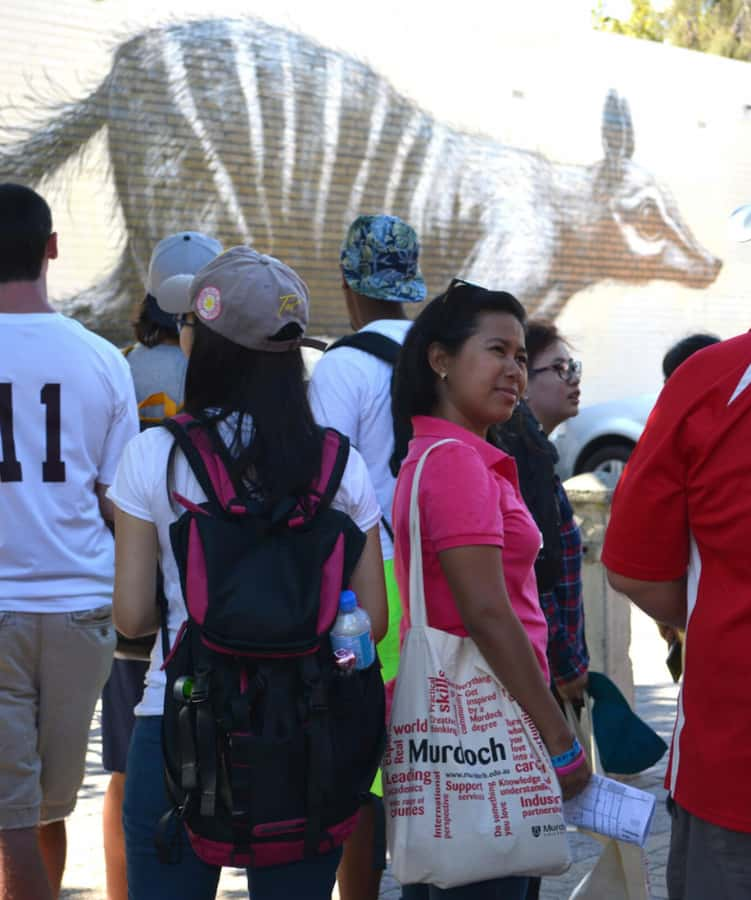
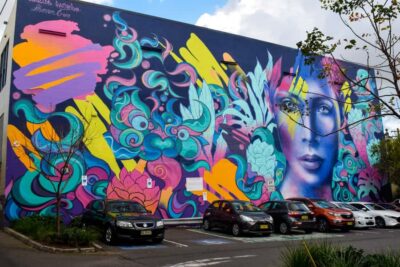
The art is not treated as decoration alone. Your guide explains the stories connected to what you see, giving the painted walls more meaning. One part of the route is especially useful for anyone interested in how a historic town handles modern culture. Old streets and newer artwork sit side by side, and the contrast is part of Fremantle’s appeal.
Do not expect this to be a specialist street-art tour with a catalogue of every mural. The art forms one part of a broader walk that also covers convicts, migrants, maritime work, and local landmarks. If you want a long, technical discussion of artists and styles, this may feel too brief. If you want street art included in a wider introduction to Fremantle, the balance works well.
The West End also shows why a walking guide is useful. A map can point out a street, but it cannot explain why a lane matters or connect it to the people who once used it. The guide’s local tips help you notice details you might otherwise pass without a second look.
Same city, a different set of walls:
- Sydney Street Art & Food Tour
★ 5.0 · 120 reviews - Brisbane Small Bars and Street Art Tour
★ 5.0 · 34 reviews - Street Food & Street Art, Backroads & Boroughs
★ 5.0 · 23 reviews - Paint and Palate Street Art Tour with Food
★ 5.0 · 21 reviews
High Street and the Roundhouse
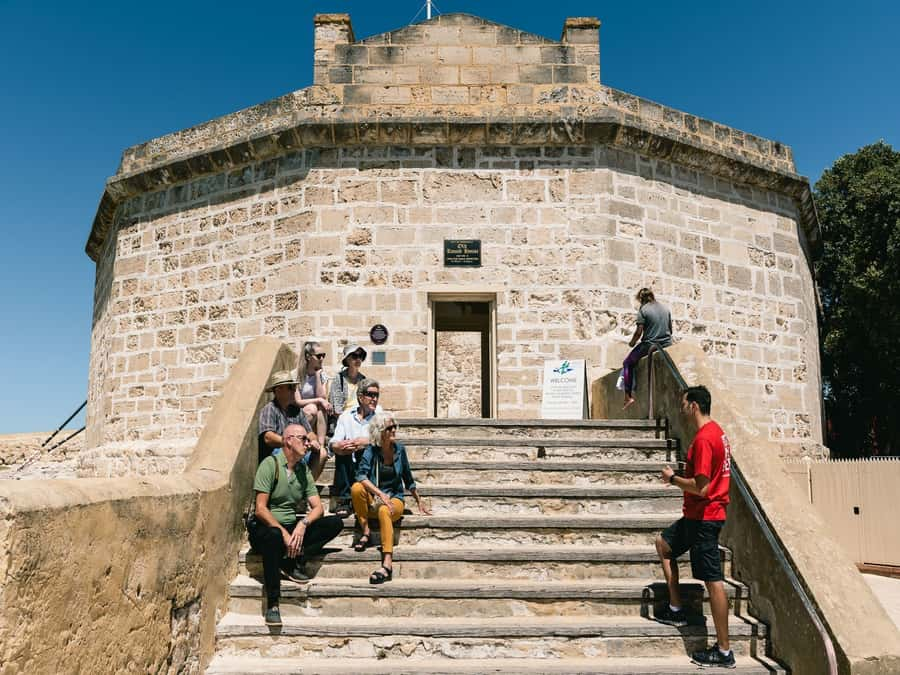
High Street brings the walk toward some of Fremantle’s most important historic sights. The Roundhouse is the major landmark here, and it gives the convict story a clear physical focus.
You learn why almost 10,000 men were transported from Great Britain and Ireland and how convict labour helped shape Western Australia. The story is more than a number. These men were part of a system that used forced transportation and labour to build the colony, including the prison they would later occupy.
The Roundhouse also connects to stories of prison escapes and convict antics. These anecdotes keep the subject from becoming a dry account of construction dates. At the same time, the tour does not turn convict life into harmless entertainment. The broader story includes punishment, control, labour, and the effects of colonial rule.
The route also includes the Whaler’s tunnel. This is one of the more unusual details of the walk because it points to a less polished side of Fremantle’s past. The tunnel sits among streets that now feel social and inviting, yet it recalls the industrial and maritime work that once defined the town.
You will want to listen closely here. The tour covers several periods and themes in only two hours, so the guide has to keep things moving. If you become interested in the Roundhouse or convict history, ask questions and plan to return for a longer visit or another museum.
The difficult story of Rottnest Island
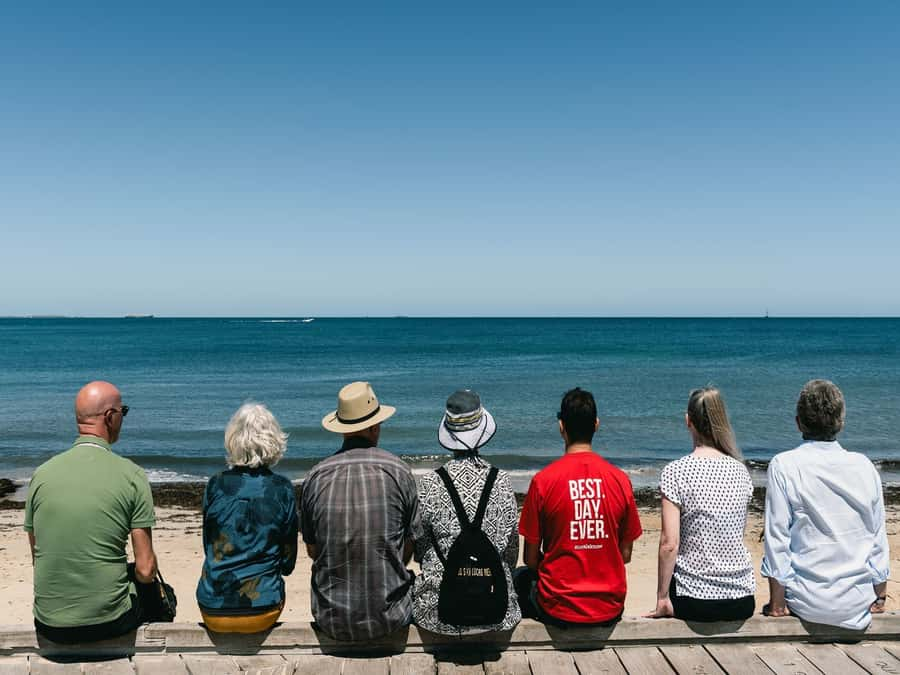
A valuable part of the tour is its treatment of the expulsion of Indigenous people to Rottnest Island. This is an important reminder that Fremantle’s development was not only a story of ships, settlers, and convicts.
The subject can be uncomfortable, as it should be. The tour places it within the wider history of colonial expansion and the removal of Indigenous people. You will not get a complete account of every aspect of Western Australian Indigenous history in a two-hour walk, but including this story gives the route necessary balance.
I appreciate that this topic appears alongside the more familiar tales of prisoners and pioneers. It prevents the town’s past from being presented only as an adventure story about tough sailors and bold builders.
If this is a central interest for you, use the tour as an introduction and ask your guide for further places to learn. One guide pointed people toward two other museums for the following day, which is exactly how a good walking tour should work: it gives you a framework, then helps you choose where to go next.
Why the guide matters more than the route map
The route itself is strong, but the guide is the real reason to book. Fremantle’s main sights are easy enough to locate. The value comes from knowing what happened there, which story deserves attention, and how the pieces fit together.
The strongest guide style for this tour is conversational rather than theatrical. You can expect a mixture of local history, amusing anecdotes, and answers to questions. The walk has been described as relaxed, informative, and easy to follow, with enough flexibility to suit a small group’s interests.
That flexibility matters if you have already read about Fremantle or visited a few sites. You can ask about the prison, port, street art, migration, or Indigenous history instead of hearing only a fixed script. If you prefer a tightly timed tour with a large number of sights and no pauses, this slower approach may seem less efficient.
The duration is officially two hours, but allow a little extra time in case the group stays for questions. One experience stretched close to three hours, followed by coffee, because the conversation kept going. That is not guaranteed, but it shows how the tour can grow when the guide and group connect.
Is $46 a good value?
At $46 per person, this is not the cheapest way to walk around Fremantle. You can see many streets and landmarks on your own for nothing. The question is what you want from the visit.
I think the price is reasonable if you are new to Fremantle and want a clear introduction in one sitting. You get a professional local host, two hours of guided walking, local history, fun stories, and practical tips for the rest of your stay. The route covers several parts of town, so you are paying for interpretation and direction rather than transport or admission tickets.
The value is stronger if you use the tour early in your visit. You can then return to the places that caught your attention, visit the suggested museums, or spend more time around the harbour and West End. It is less appealing if you have already studied Fremantle closely or plan to spend most of your time inside museums.
The cost does not include bottled water, hotel pick-up, or drop-off. Group hotel transfers can be requested, but they are not part of the normal arrangement. Bring your own water and meet at the Visitor Information Centre.
Practical details before you book
Wear comfortable shoes. The tour covers streets, lanes, harbour areas, and historic sites over two hours, so this is not a sit-down sightseeing experience.
Dress for the forecast. From April through August, cold weather and rain are possible, and checking the weather the day before is sensible. The tour is wheelchair accessible, though you should still contact the local partner if you need to confirm arrangements for your group.
The tour is offered in English with a live guide. Confirm the trip with the local partner 24 hours before departure. You can cancel up to 24 hours ahead for a full refund, and the reserve-now, pay-later option lets you hold a place without paying immediately.
Who should book this Fremantle walk?
I would choose this tour for a first visit, a short stay, or a day when you want the town to make sense before exploring alone. It suits history fans, people interested in street art, cruise or port visitors, and anyone who prefers stories to silent plaques.
It is also a good fit for couples, families with older children, and small groups who enjoy asking questions. The mix is broad enough to keep the walk from becoming a single-subject lecture.
I would think twice if you dislike walking, need a fully private itinerary, or want a specialist tour devoted only to convict history or street art. You may also find the route too general if you already know Fremantle well.
Should you book it?
Book it if you want a human guide to connect Fremantle’s port, convict, migrant, Indigenous, and street-art stories in two hours. The best reason is not simply the number of sights. It is the way a local guide can turn a harbour, tunnel, wall, or prison into part of a larger story.
The tour offers good value for a first look, especially when led by guides such as Winona or Vaughan who take questions and add local detail. Bring water, wear sensible shoes, check the weather, and leave enough time afterward to follow up at a museum or return to the places that caught your attention.
FAQ
How long does the Fremantle Convicts, Culture, and Street Art tour last?
The scheduled duration is two hours. A group may spend longer if the guide continues answering questions and sharing stories.
How much does the tour cost?
The price is $46 per person.
Where does the tour begin?
Meet at the Fremantle Visitor Information Centre at Kings Square, Fremantle WA 6160.
What language is the tour in?
The tour is conducted in English with a live guide.
What does the price include?
It includes a two-hour guided walking tour, a professional local host, local history and fun stories, and local tips.
Is hotel pick-up included?
No. Hotel pick-up and drop-off are not included, though group transfers can be requested.
Is the walking tour wheelchair accessible?
Yes, the activity is listed as wheelchair accessible.
What should I wear and bring?
Wear comfortable shoes and dress for the weather. Cold conditions and rain are possible from April through August. Bottled water is not included, so bring your own.
New street art tours in Australia
- Sydney Small Bars and Street Art Tour★ 5.0 · 14 reviews
- Melbourne Street Art Quest: Self-Guided Urban Story Game★ 3.5 · 3 reviews
- Melbourne Street Art Tour with a Local: Private & Personalized★ 4.5 · 3 reviews
- Fremantle – Convicts, Culture & Street Art★ 5.0 · 8 reviews
- Hipster and Street Art Walking Tour★ 5.0 · 13 reviews
- Hidden Adelaide: Laneways and Street Art Tour★ 5.0 · 6 reviews
- Paint and Palate Street Art Tour with Food★ 5.0 · 21 reviews
- Sydney: Street Art & Small Bar Tour with Complimentary Drink★ 5.0 · 4 reviews
Australia Mural Tours, side by side.

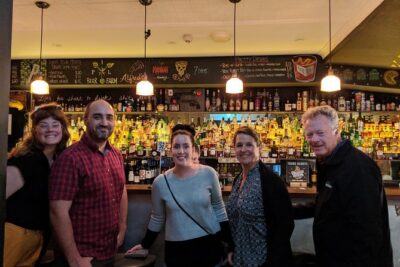
PERTH BAR+STREET ART TOUR: Hidden Secrets, Laneways + Good Times!
Read our review →


Lists this wall walk turns up in