
Reviewed · GRAFFITI WORKSHOPS
Berlin: Graffiti Workshop at the Berlin Wall
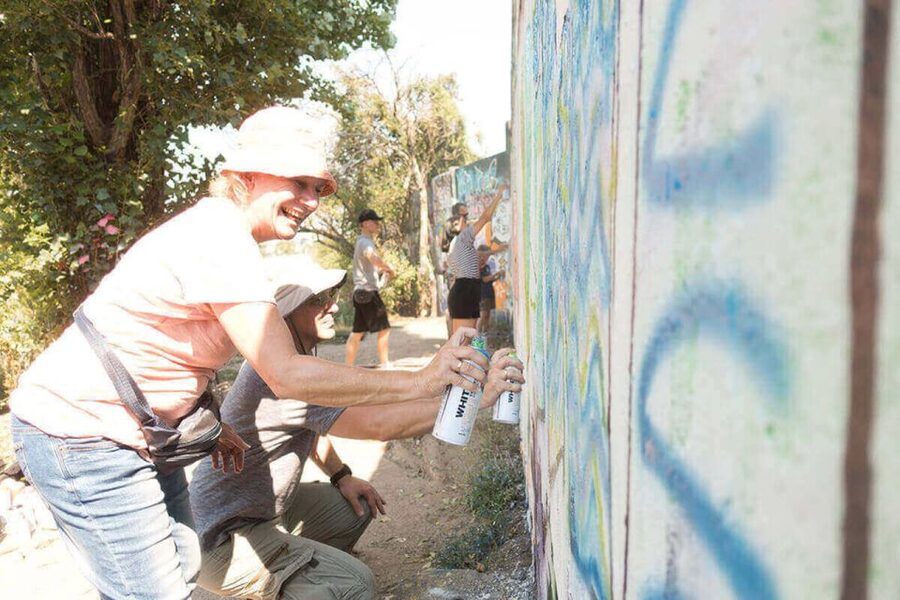
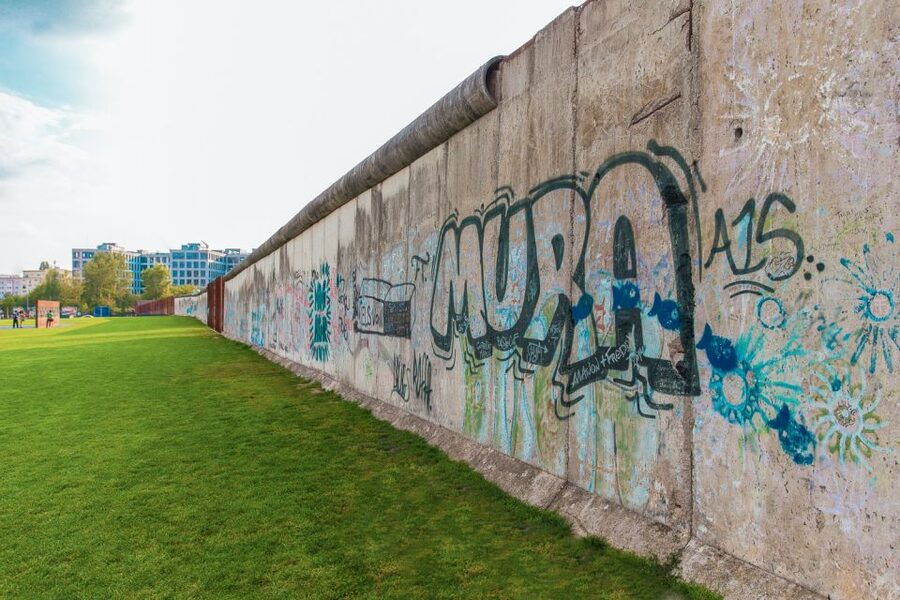
Painting the Berlin Wall is a rare chance to turn a famous monument into a working art surface. This is not a quick photo stop. You spend about 90 minutes learning spray-paint control, shaping letters, and building a small piece with help from artists such as Sylvain, Casko, and Dominik.
I like two things in particular: you get to make a legal piece on an actual remaining section of the Wall, and a photographer records the process so you can keep your hands on the spray can instead of your phone. The main drawback is that the promised introduction to graffiti culture may be brief, and some sessions move straight into painting.
Key points at a glance
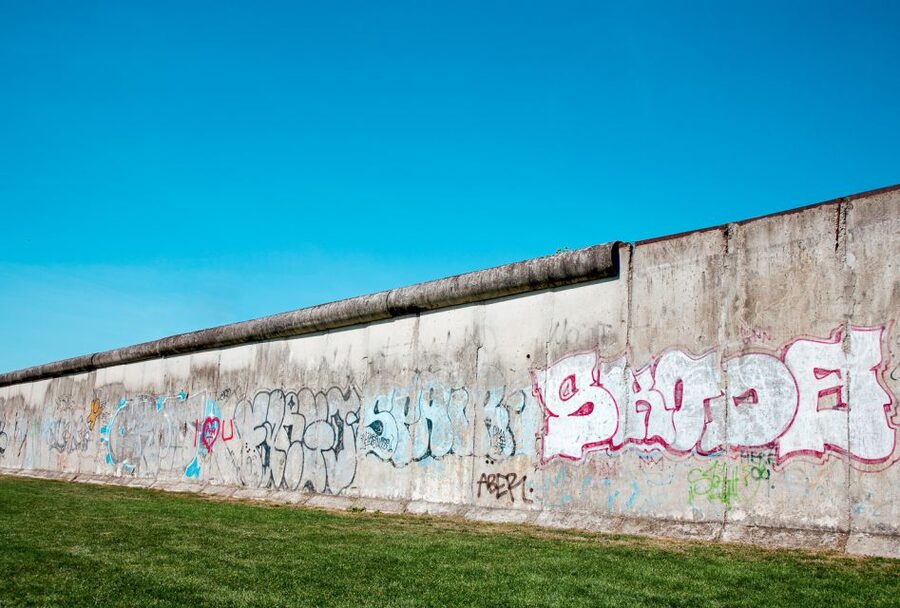
- Paint on a remaining section of the Berlin Wall: You create your own work on a genuine piece of this powerful Berlin landmark.
- Beginner-friendly spray-paint coaching: Learn smooth lines, lettering, warm and cool colors, and ways to add black-and-white definition.
- A real artist leads the session: Sylvain, Casko, and Dominik have each guided participants through the process with patience and practical tips.
- Professional photos are included: Your guide photographs the painting process and a portrait with the finished work.
- Good for families and small groups: Children, teenagers, adults, couples, and team groups can work together on one piece or create their own.
- A weather-dependent outdoor activity: Cold or wet conditions do not necessarily stop the session, but old clothes and sensible preparation matter.
Why painting the Berlin Wall feels different
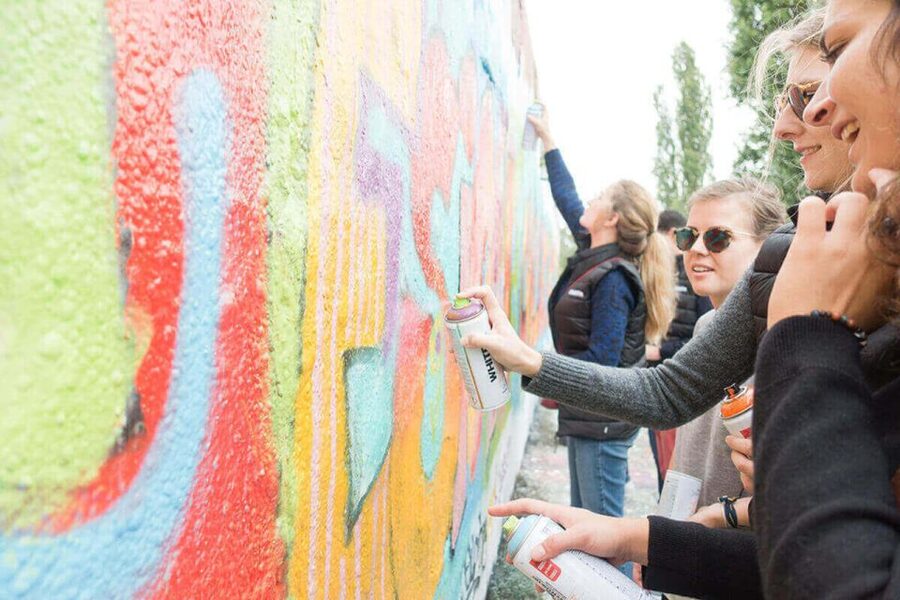
Berlin has no shortage of street art, but looking at it and making it are two different things. During this workshop, you handle the can, hear the hiss of the paint, and discover how much control it takes to produce a clean line. A simple name or short word quickly becomes a lesson in shape, spacing, color, and patience.
The setting gives the activity its weight. You are not painting a souvenir board in a studio. You are working on a remaining section of the Berlin Wall, with permission to create there. That makes the experience more meaningful than a standard craft class, though you should still understand what this means: you are adding a temporary piece of street art, not placing a permanent personal mark on every preserved part of the monument.
I especially like the way the workshop connects Berlin’s past with its living art culture. The Wall is tied to division, protest, freedom, and reunification. Graffiti became part of the visual language surrounding that era and remains central to how many people see Berlin today. Your beginner piece will not suddenly look like professional work, but you will leave with a better eye for the technique behind the city’s murals and tags.
More Graffiti Tours in Germany
- Berlin Street Art & Graffiti Walking Tour
★ 5.0 · 109 reviews - Köln Ehrenfeld: Street Art und Graffiti Tour Walls of Wonder
★ 5.0 · 70 reviews - Berlin Street Art Tour with Graffiti, Murals, and Urban Culture
★ 4.5 · 12 reviews
Meeting the artist and choosing your design
You meet your guide in front of the wall. The first practical task is deciding what you want to paint. You can use your name, a short slogan, or a simple symbol, but the available guidance suggests keeping the word to about four letters. That is useful advice. A long phrase sounds exciting before the session, but it can become hard to complete within 90 minutes.
Think about your design before you arrive. You do not need to sketch a finished masterpiece, but having a short word or basic idea ready saves time and makes the painting less stressful. Families might choose a shared name or symbol. A couple could combine initials. A group can create one collaborative piece, as several participants have done.
The instructor can help you shape the idea, but do not expect a full design service. One past team group would have liked more help choosing a motif. That points to an important distinction: the guide teaches you how to use the paint and improve your work, while you still need to bring the central idea.
The guides have different styles. Sylvain is repeatedly praised for being friendly, patient, and encouraging while giving beginners room to make their own choices. Casko is described as engaging and good at helping first-time painters gain confidence. Dominik has been praised for explaining details such as smooth lines and color choices. The exact guide depends on the date and booking.
Learning to control spray paint
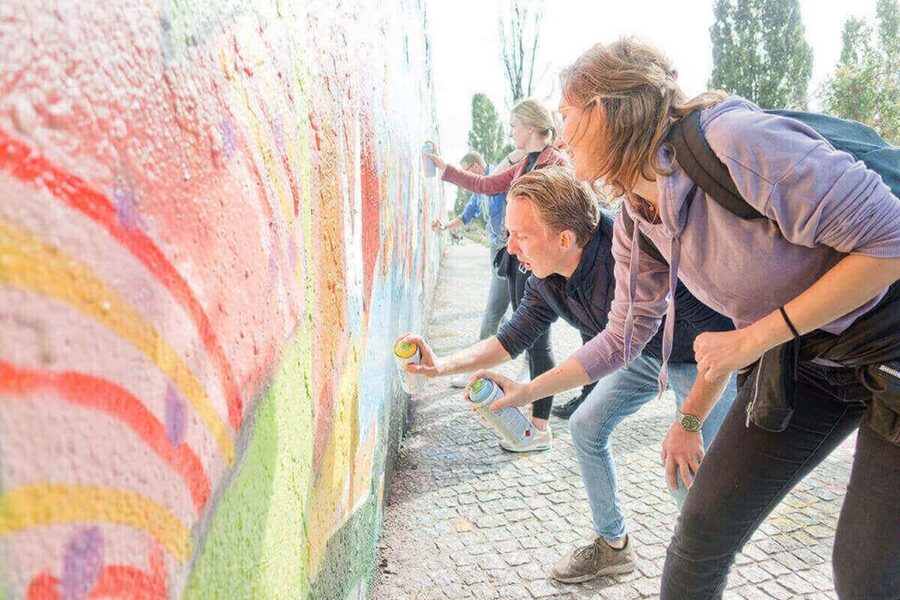
The first few sprays can be humbling. Spray paint is less obedient than a pencil or brush. The distance from the wall, the speed of your hand, and the pressure on the nozzle all change the result. Your guide shows you how to make smoother lines and how to build letters instead of simply filling them with color.
The session is well suited to first-timers because the instruction is practical. You learn by spraying, correcting, and trying again. Guides may suggest ways to use outlines, shadows, black, white, warm colors, and cool colors to give the piece more definition. That is enough technique to make a beginner’s work look considered rather than accidental.
You also gain respect for the time behind the art you see around Berlin. A quick glance at a wall can make graffiti look spontaneous and easy. Once you try to keep a line steady or fill a shape without overspray, you notice the planning and hand control involved.
The best approach is to accept that your first attempt will not be perfect. The guides are there to correct and encourage you, not to paint the whole piece for you. Participants who enjoyed the session most treated the work as play, listened to advice, and kept enough independence to make the final design personal.
Creating your first piece on the Wall
Once you have a plan, you bring it to the wall with the instructor’s help. The available colors are a strong part of the experience. You can test combinations and see how one shade changes when outlined or shaded with another.
For a family, this is where the workshop becomes a shared project. One person may handle the large letters, another may fill color, and someone else may add details. The work can look uneven at first, but the guide helps you refine it. Parents with teenagers and young adults have found the activity especially easy to share because it gives everyone a clear role without turning the session into a lecture.
Solo participants also get something valuable: direct time with the instructor. One person who attended alone received close guidance and found the setting comfortable enough to try something outside their normal routine. If you are nervous about coming without a group, the format can work well for you.
Small groups may have more personal attention, but the value depends partly on the price arrangement. The listed cost is $135 per person, and the total price per person can drop as the group gets larger. For one or two people, that is a considerable spend for 90 minutes. You are paying not just for paint, but also for instruction, the Wall setting, equipment, and professional photography. For a group marking a birthday, family occasion, or team event, the cost may feel easier to justify.
More political and protest murals in Germany:
- Belfast’s Political Mural Taxi Tour
★ 5.0 · 1,180 reviews - Belfast: Private Black Taxi Cab Political Murals Tour
★ 4.9 · 425 reviews - Political Wall Murals and Peacewall
★ 4.9 · 247 reviews - 2 Hour Private Belfast Taxi Cab Tour of Troubles & Peace walls
★ 5.0 · 240 reviews
The photographer adds real value
Photography is more than a small extra here. Spray-painting takes both hands and most of your attention, so it is hard to document the session well yourself. A professional photographer records the first spray, the stages of the work, and the finished piece.
The photos also solve a practical problem. You can focus on learning instead of asking someone in your group to stop and take pictures. The finished images give you a record of the artwork, which will eventually change or disappear as the wall is repainted or weather affects it.
A personal photo with your completed graffiti is part of the appeal. This is particularly useful for families and couples, since the image captures the people as well as the art. Several participants have singled out the quality of the photographs, and the guide’s photography skills have been a repeated strength.
Do remember that the photographs are the lasting souvenir, not the painted wall itself. You should not expect to take a section of the artwork home, and the piece may not remain there forever. The image preserves the moment better than the paint can.
Weather, clothing, and comfort
This is an outdoor activity, and Berlin weather can shape the experience. Sessions have gone ahead in cold, icy winter conditions and in poor weather, but that does not mean you should dress casually. Wear warm layers in winter and choose old clothing in every season. Paint may land on fabric, especially when you are learning how close to hold the can.
Gloves and shoe protection are included. Spray paint is supplied, so you do not need to bring equipment. Still, covered shoes and clothes you do not mind marking are wise choices.
The weather can also affect the photography. A bright spell at the end of a session makes for pleasant finished portraits, while gray skies and cold hands may make the final stage less comfortable. If you are booking this as the centerpiece of a day, allow yourself time afterward rather than rushing directly to another appointment.
The activity is wheelchair accessible. Since the meeting point is in front of the wall and the work takes place outdoors, you may still want to confirm the specific meeting conditions for your date if you have particular mobility needs.
What the cultural introduction does, and does not do
The activity is presented as a way to learn about graffiti culture, its history, famous figures, and hidden messages. That context can make the painting more rewarding, because you begin to see graffiti as a visual language rather than random paint.
In practice, the amount of cultural discussion may vary. Some sessions include useful background and conversation with an artist who can explain the work from personal experience. Other sessions move quickly into making the art, with less formal talk than expected. If the cultural side matters most to you, ask questions as you work. The guides have answered direct questions about graffiti technique and local places, even when the opening talk was short.
This is best viewed as a hands-on workshop with cultural context, not as a full Berlin Wall history tour. You will not receive a detailed political history of the Wall or a broad guided walk through Berlin. The value is in seeing one part of Berlin’s art culture from the inside and learning how to read the marks around the city with sharper eyes.
Who will enjoy this workshop most
I would recommend it to people who want an active Berlin experience instead of another museum visit. It works well for:
- Families with older children and teenagers
- Couples looking for a shared creative activity
- Friends on a city break
- Solo visitors who enjoy learning by doing
- Small groups and team events
- Anyone curious about street art but unsure where to start
You do not need drawing skill. The instructors work with complete beginners, and the goal is not to produce gallery-quality art. You need a little patience, an open mind, and a willingness to let the guide correct your technique.
It may be less suitable if you want a quiet, polished art class or a long lecture about Berlin’s political past. The activity can be messy, outdoor, and slightly improvised. Some guides offer lots of conversation, while others give you space and step in with advice when needed.
Languages, timing, and cancellation
The workshop lasts 90 minutes. Starting times vary, so check availability for your date. Instruction is offered in English, German, and French.
The guide supplies spray paint, gloves, and shoe protection. Professional photos are included. You meet in front of the wall, so read the meeting instructions carefully and arrive on time. One participant specifically noted that finding the right person at the meeting area could be confusing because other people were also painting nearby.
You can cancel up to 24 hours before the activity for a full refund. The reserve-now, pay-later option can help if your Berlin plans are still moving around. Since the price per person changes with group size, enter the correct number of participants before judging the final cost.
Is $135 worth it?
At $135 per person, this is not a budget activity. If you compare it with a free walk past street art, the price looks high. The calculation changes if you value the artist’s coaching, all the equipment, legal access to paint on the Wall, and professional photographs.
For one person or a couple, I would book it because the Wall setting and personal instruction matter to you, not simply because you want to try a can of spray paint. You can experiment with graffiti elsewhere for less, but you will not get the same combination of place, guidance, and photographs.
For a family or group, the lower per-person price can make better sense. A shared piece also turns the session into an occasion rather than a short individual lesson. The strongest value comes when you treat it as both an activity and a keepsake.
Should you book the Berlin Wall graffiti workshop?
Yes, if you want a hands-on activity with a real connection to Berlin and you are happy to create something imperfect, personal, and temporary. The best parts are the legal painting space, the patient beginner coaching, and the professional photographs that let you concentrate on the work.
Book with realistic expectations. Prepare a short word or symbol, wear old clothes, and do not count on a long formal talk about graffiti culture. If that sounds fine, this is one of the more memorable ways to meet Berlin’s street-art tradition: not by simply looking at it, but by learning how difficult it is to make.
FAQ
Where does the graffiti workshop meet?
You meet your guide in front of the Berlin Wall section where the workshop takes place.
How long does the activity last?
The workshop lasts 90 minutes.
What languages are available?
The instructor can provide guidance in English, German, or French.
Is spray paint included?
Yes. Spray paint, gloves, and shoe protection are included.
Are professional photos included?
Yes. A professional photographer documents the painting process and the finished artwork. You receive photos of the experience, including images with your completed piece.
Do I need previous graffiti experience?
No. The workshop is designed for beginners as well as people who already have some interest in street art. The guide explains spray-paint techniques and provides help as you work.
Can I cancel the booking?
Yes. You can cancel up to 24 hours in advance for a full refund. You can also reserve now and pay later, which keeps your plans flexible.
More Graffiti Workshops in Germany
- Graffitiworkshop Berlin
★ 4.5 · 8 reviews - Graffiti Workshop Berlin with professional graffiti artists
★ 4.0 · 4 reviews - Open graffiti workshop in the Mauerpark in Berlin
★ 5.0 · 2 reviews - Street Art Workshop & Tour – Private Group
★ 5.0 · 2 reviews
New street art tours in Germany
- Art Nouveau Meets Street Art in Munich (Max. 12 guests)★ 5.0 · 3 reviews
- Alternative Hamburg Private Alternative Street Art Tour★ 4.5 · 6 reviews
- Street Art Tour Dresden Neustadt★ 4.0 · 15 reviews
- 3-Hour Cologne Street Art Bike Tour in Small Group with Guide★ 4.5 · 20 reviews
- Explore Cologne’s best Street Art Quarter★ 4.5 · 4 reviews
- Open graffiti workshop in the Mauerpark in Berlin★ 5.0 · 2 reviews
- Graffiti Workshop Berlin with professional graffiti artists★ 4.0 · 4 reviews
- Alternative Berlin Private Tour with Jacob – Graffiti and Squats★ 5.0 · 6 reviews
Graffiti Workshops, side by side.
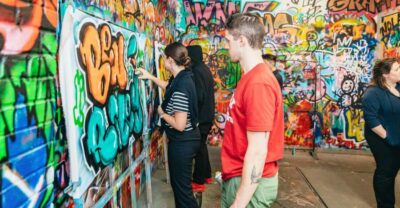
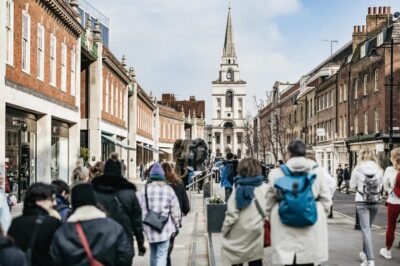
East End Street Art Tour and Spray Painting Workshop
Read our review →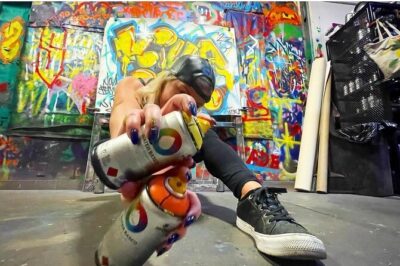
Street Art Tour and Spray Painting Workshop in London
Read our review →
Fun Graffiti Workshop: The Art of Aerosol and Color
Read our review →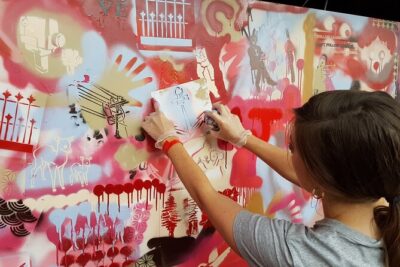
Lists this wall walk turns up in